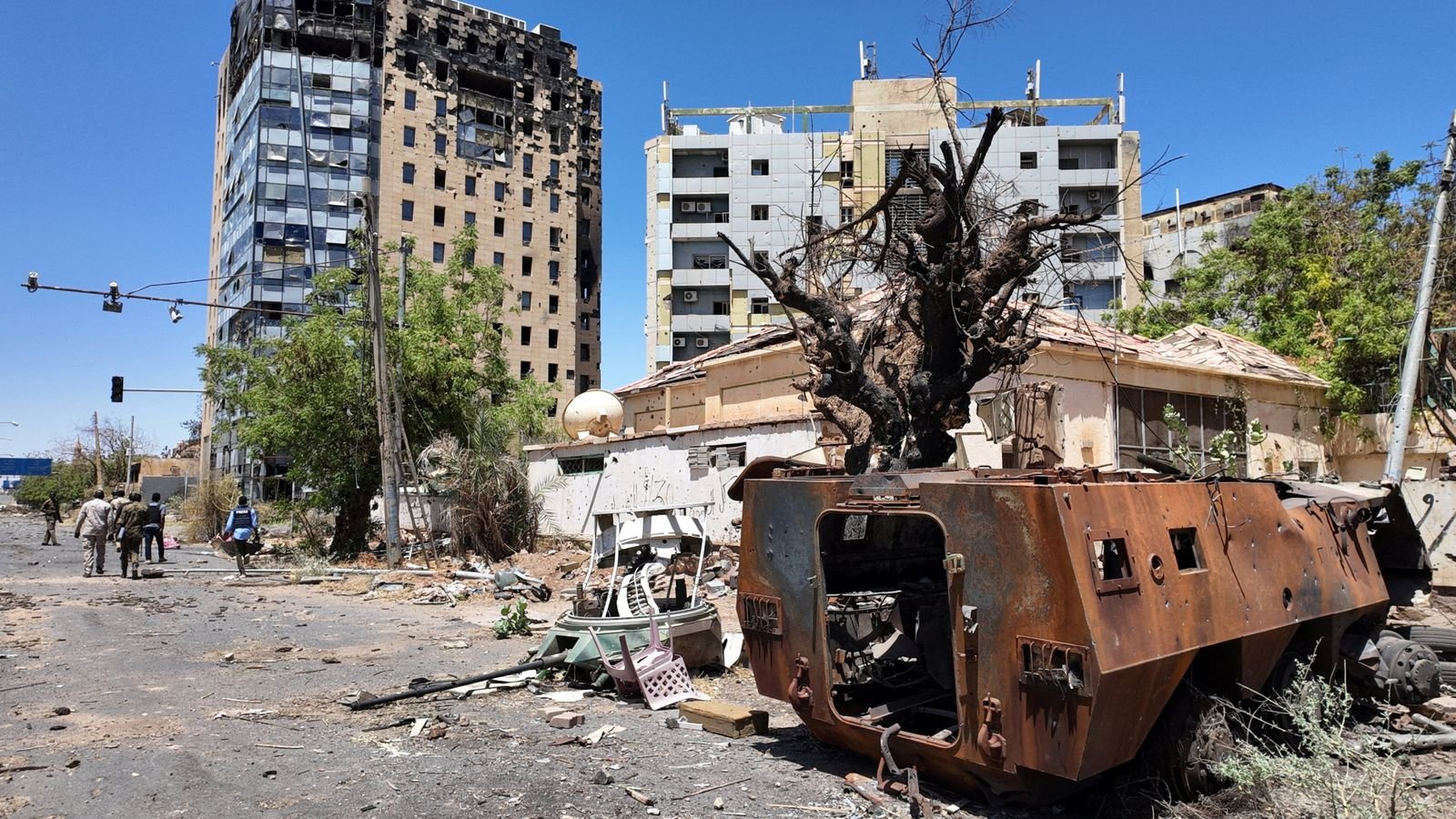
Tragedy in Sudan: Attack on Kindergarten and Hospital Claims Over 100 Lives
In a devastating series of assaults on 4 December, more than 100 individuals, including 63 children, were reported dead in Sudan following attacks on a kindergarten and an adjacent hospital. The World Health Organization (WHO) confirmed these figures and expressed alarm over the ongoing violence in the region.
Details of the Assault
The attacks began with relentless airstrikes targeting the kindergarten located in South Kordofan state. According to WHO Director Tedros Adhanom Ghebreyesus, the strikes did not cease even when parents and caregivers rushed to the nearby Kalogi Rural Hospital to assist the injured. In total, at least 35 individuals were left wounded due to the violence, and the need for urgent medical resources, including blood donations, has been emphasised.
Ghebreyesus highlighted the harrowing nature of the events on social media, describing how paramedics faced additional threats while attempting to evacuate victims to the hospital.
Context of the Conflict
This assault comes amid intensified military operations in Sudan, particularly involving the paramilitary group Rapid Support Forces (RSF), which recently claimed control of the Heglig oilfield in the region. The civil war, now ongoing for over two years, has severely impacted the humanitarian situation in the country.
Heglig serves as a critical site for oil processing, essential for the economic stability of both Sudan and its southern neighbour, South Sudan. Withdrawal of government forces from the area was reported to prevent further conflict that might damage vital infrastructure.
International Response and Reactions
The attacks have drawn widespread condemnation, with Sudan’s Foreign Ministry alleging that drones were deployed by the RSF during these strikes. The WHO has also referenced previous violence in October, marking a distressing pattern of escalated hostilities in the region.
As global attention remains focused on these developments, the situation poses significant implications not only for Sudan but also for international efforts in addressing humanitarian crises and conflict resolution.
Background
The ongoing civil war in Sudan has led to widespread displacement and suffering, exacerbated by repeated violence targeting civilians and healthcare facilities. The recent bombardments underline the precarious conditions faced by those attempting to provide care and support amidst chaos.
With the situation continuing to evolve, the international community faces pressing questions regarding humanitarian intervention and the protection of vulnerable populations caught in the crossfire.
Source: Original Article