






















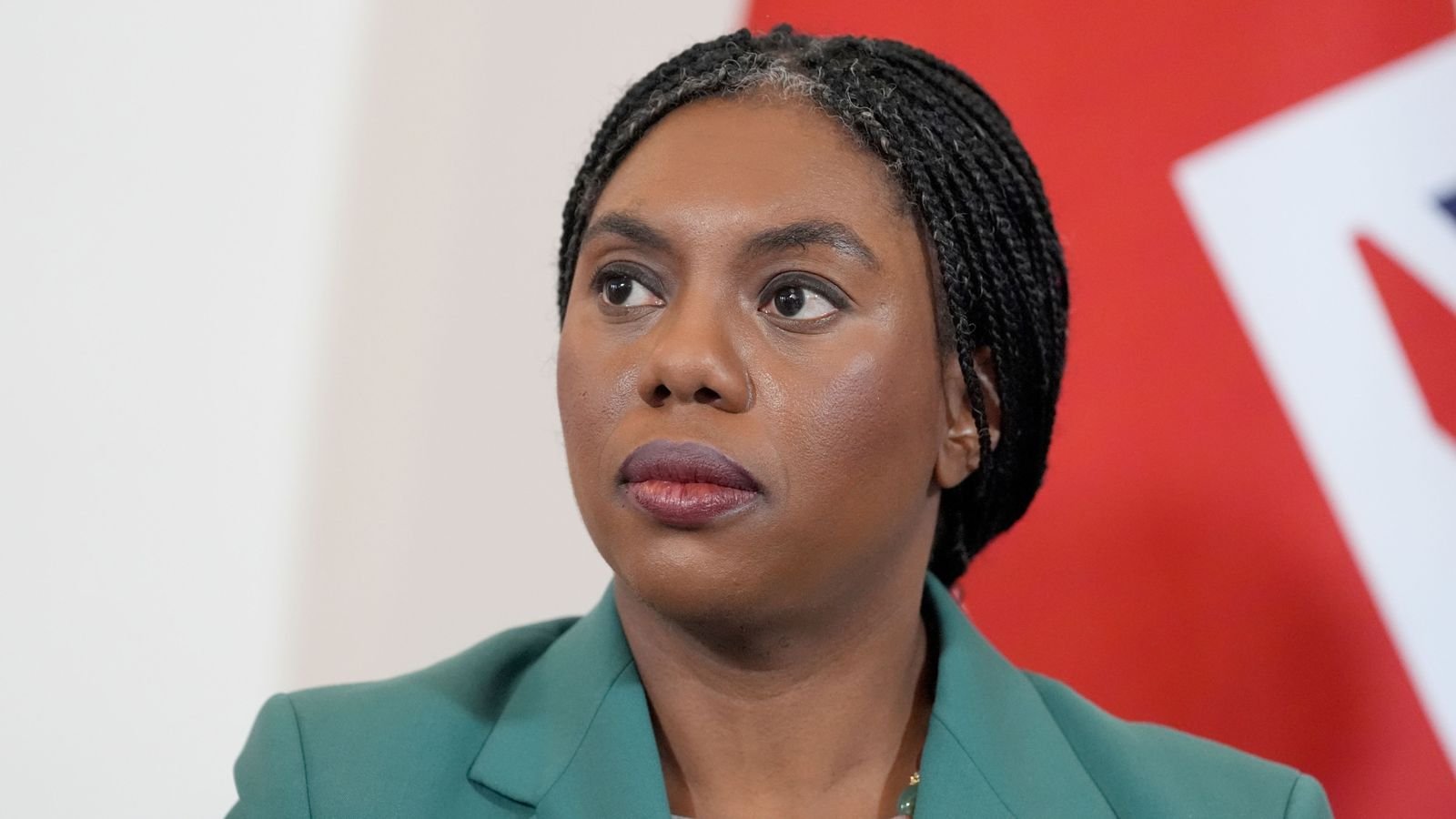
Inquiry into Grooming Gangs Urged to Consider Ethnicity and Background
Kemi Badenoch has stressed the importance of a thorough inquiry into grooming gangs, stating it should “leave no stone unturned.” The Conservative Party is advocating for the inclusion of ethnicity and religious background in the inquiry’s focus, urging the government to adopt their proposed terms of reference.
Conservatives’ Call for Cross-Party Collaboration
During a recent announcement, Badenoch, alongside shadow home secretary Chris Philp and several survivors’ family members, emphasised the necessity for a cross-party inquiry. The aim, she noted, is to prioritise the needs of survivors, victims, and their families.
The Conservative leader asserted that her party is prepared to collaborate with the government on the inquiry, which should address important issues related to ethnicity and religion. The draft terms they propose advocate for:
- Consideration of the ethnicity and religious background of perpetrators.
- A two-year deadline for the inquiry.
- A focus on abuse that occurs outside of familial settings.
The inquiry is also expected to relay evidence to law enforcement and prosecutors wherever criminal activities are indicated.
Political Landscape and Previous Controversies
In June, the government announced its intention to launch a national inquiry into grooming gangs, marking a change of direction following earlier criticisms for not addressing the issue. Initial plans faced setbacks due to criticisms regarding the candidacies for chairmanship, leading to withdrawals by both shortlisted candidates.
Moreover, some members of the inquiry’s victim liaison panel withdrew their participation out of concern that the inquiry’s scope was expanding to include other child sexual abuse issues, diluting its focus on grooming gangs.
Importance of Thorough Investigation
Badenoch made it clear that the inquiry should be comprehensive, calling for investigations of local councils, the police, and potentially the government. She referenced findings from Baroness Louise Casey’s report, which indicated that many grooming gang offences are committed by individuals of Asian and Pakistani backgrounds. Badenoch argued that minimising the significance of ethnicity in these crimes undermines the community’s and victims’ needs.
Despite the call for an extensive inquiry, Fiona Goddard, a grooming gang survivor, recently resigned from the liaison panel, stating it was a difficult decision but necessary as she felt the focus was shifting away from the core issues that mattered most.
Responses from Other Political Parties
Philp emphasised the need for the inquiry to remain time-efficient, stating it should not prolong the investigation indefinitely. He added that those dual nationals identified as being involved in grooming should face severe consequences, including the potential revocation of British citizenship.
A spokesperson for the Labour Party responded sharply to the Conservatives’ call for action, asserting that they had ample opportunity to address the issues surrounding grooming gangs but failed to do so throughout their governance. They affirmed their commitment to a comprehensive inquiry that will remain focused solely on grooming gangs, ensuring the examination of ethnic and cultural factors involved in these crimes.
Background
The inquiry into grooming gangs stems from long-standing concerns over child sexual exploitation in the UK, particularly involving gangs that target vulnerable young people. Previous reports, including those by Baroness Casey, have revealed systemic failures in local authorities and law enforcement’s handling of such cases. Many have called for an urgent, independent investigation to address both past shortcomings and the ongoing plight of survivors.
Source: Original Article






