






















Interim Report on NHS Maternity Services Draws Criticism from Advocates
Victims of NHS maternity failings have expressed their dissatisfaction with the findings of an interim report, voicing concerns that it lacks the necessary authority to effect real change. This report is part of a broader investigation into maternity services within the NHS, which has been marred by a series of distressing scandals.
Baroness Amos Leads Inquiry
The National Maternity and Neonatal Investigation (NMNI) is spearheaded by Baroness Amos, who has revealed that she was unprepared for the extent of “unacceptable care” being experienced by families. Following initial visits to hospitals and discussions with affected families, she has released a document summarising her early impressions.
Focus on 12 NHS Trusts
Baroness Amos’s inquiry will scrutinise a total of 12 NHS trusts, including the prominent Oxford University Hospitals (OUH), which operates the internationally recognised John Radcliffe Hospital.
Voices from the Community
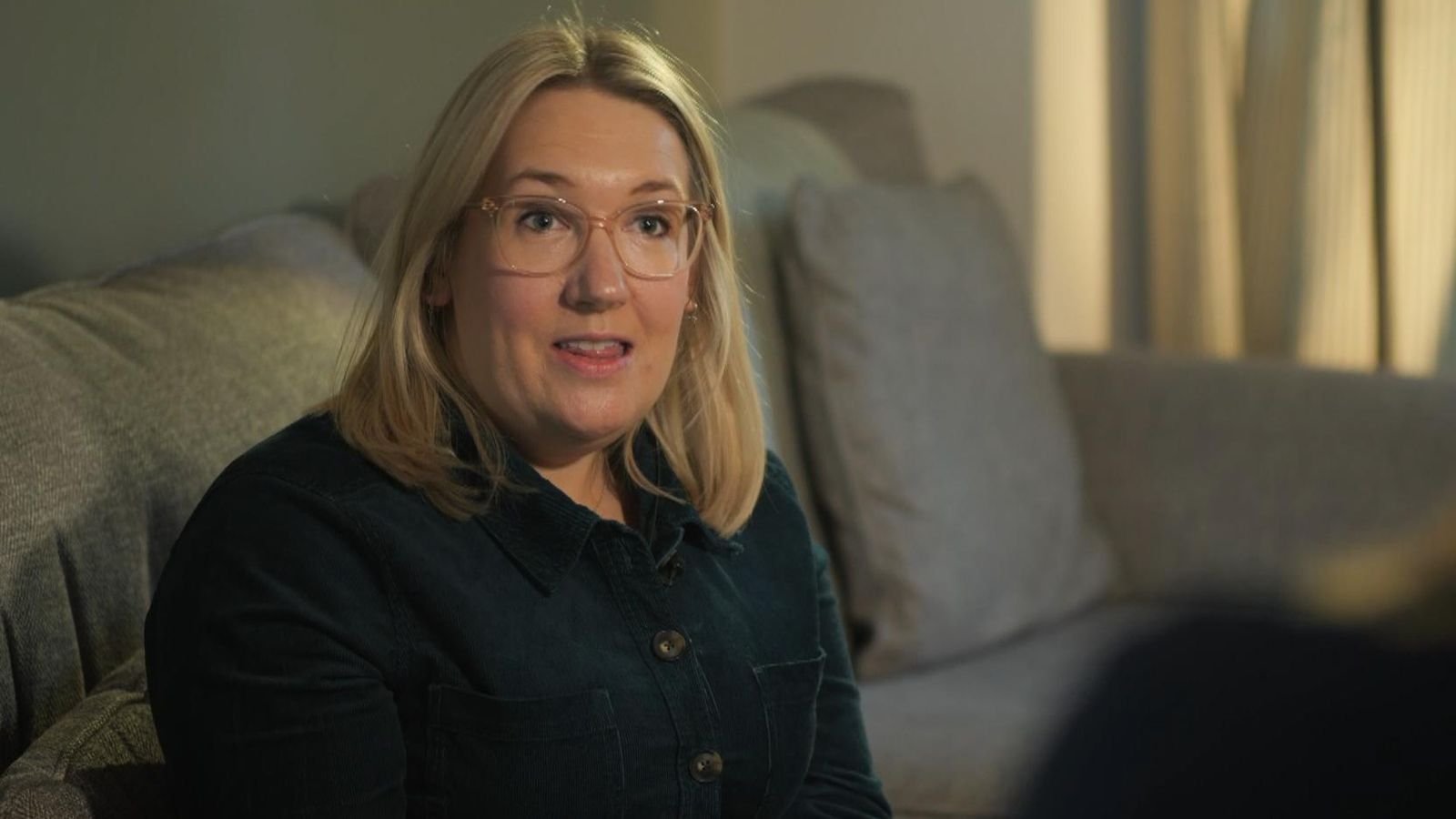
Rebecca Matthews, who has experienced traumatic childbirth at OUH, has initiated a campaign to advocate for families who have suffered similar fates. Reflecting on her own experiences, Matthews described the care she received as “callous” and stated, “There wasn’t any kindness there. I was left in my own blood.”
Disappointment with the Report
Having participated in evidence-gathering sessions, Matthews was disheartened by the interim findings, noting they resembled a repetitive list of previously documented issues that continue to be ignored. She pointed out the absence of accountability measures within the report, raising questions about future follow-through.
Common Themes Emerging from the Inquiry
Baroness Amos has identified several recurring issues, including a lack of responsiveness to women’s concerns and insufficient information provided for informed decision-making regarding care. A worrying pattern of discrimination against women of colour, lower-income mothers, and younger parents has also surfaced during her discussions with affected families.
Numerous Recommendations with Slow Implementation
Baroness Amos highlighted that an astonishing 748 recommendations aimed at improving NHS maternity services have been put forth in recent times. She expressed confusion over the sluggish pace of implementation, questioning why England continues to struggle in delivering safe and reliable maternity care.
Current Situation of Maternity Services
Recent evaluations by health watchdogs have produced concerning findings, indicating that nearly two-thirds of acute hospital maternity services are rated as either inadequate or needing improvement. This ongoing investigation is viewed as long overdue, with a full report not expected until spring. However, there are increasing worries among campaigners regarding the prospect of genuine change.
Need for Accountability
Matthews articulated a persistent concern that the current trajectory of the inquiry might mirror previous reviews that, while producing recommendations, ultimately lacked the decisive mechanisms to enforce change. She emphasised the urgent need for systems that hold service providers accountable.
OUH Response to Feedback
The Chief Nurse of OUH, Yvonne Christley, acknowledged the feedback gathered from patients over the past year, which she claimed was generally positive. Nevertheless, she recognised that there is much work to be done to enhance maternity services, reiterating the importance of listening to the experiences of women and families as part of their improvement strategy.
Background
This investigation is a response to a series of maternal health scandals that have brought national attention to the urgent need for reform within NHS maternity services. The ongoing public discourse surrounding the quality of care reflects broader concerns about patient safety and accountability within the healthcare system.
Source: Original Article






