






















Ghost Plates and National Security: A Growing Concern
Recent findings reveal that illegal number plates, particularly “ghost” and cloned variants, pose significant risks to national security and public safety. The All-Party Parliamentary Group for Transport Safety (APPGTS) reports that as many as one in fifteen vehicles may evade detection from automatic number plate recognition (ANPR) systems due to these improperly displayed plates.
ANPR and Its Importance
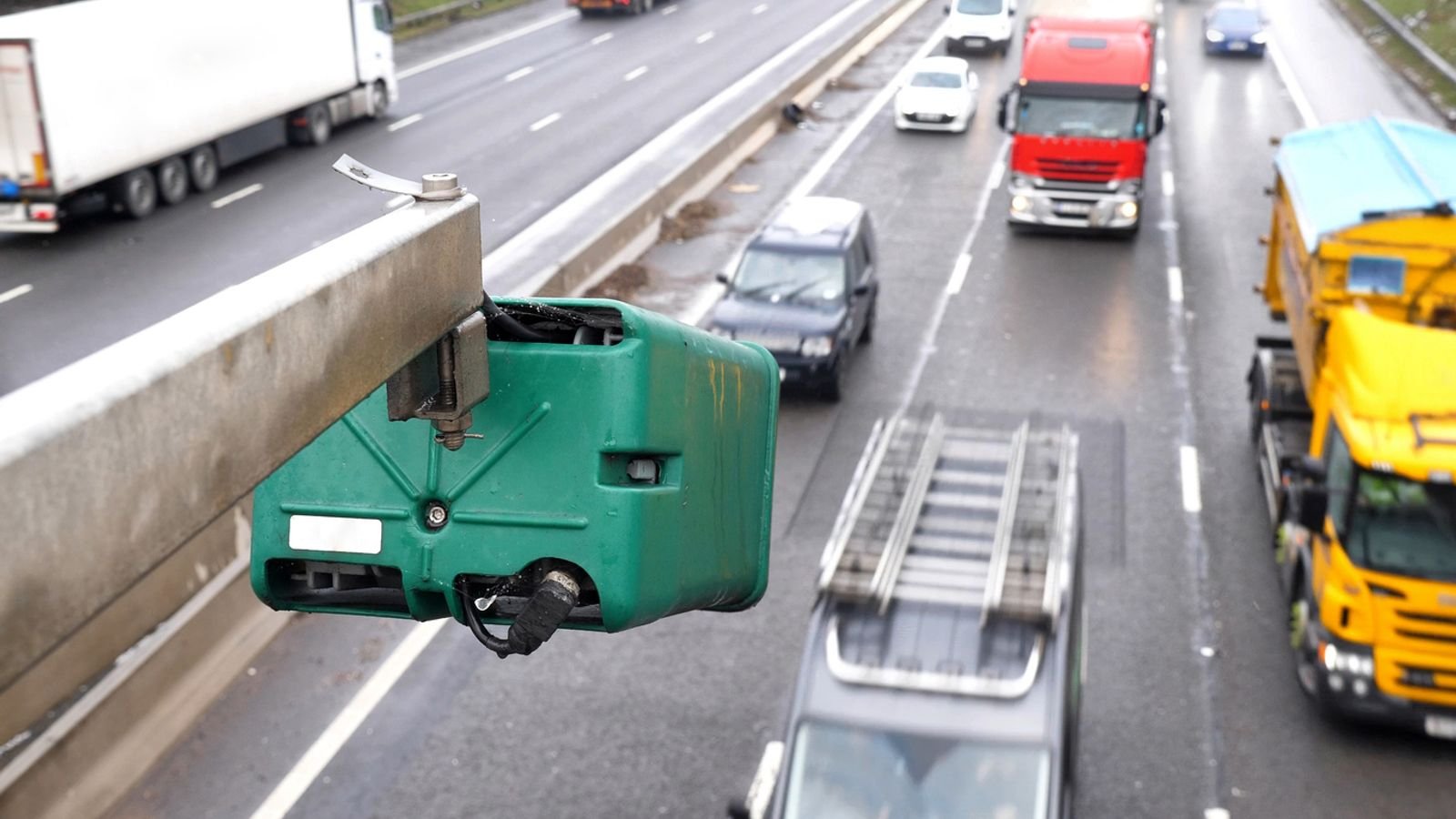
ANPR technology utilises infrared light to scan and verify vehicle number plates against a comprehensive database. This system plays a critical role in identifying uninsured vehicles and linking cars to serious crimes. Additionally, ANPR is actively employed in monitoring zones such as London’s ULEZ and in enforcing average speed limits across the country.
Current Threats and Recommendations
The APPGTS’s report highlights that the methods to bypass ANPR can be alarmingly simple, using everyday materials such as cellophane or even leaves. The study advocates for a ban on 3D and 4D plates, which feature raised lettering, to improve legibility and prevent misuse. Cloned plates, created by replicating the number plate of a legitimate vehicle, are also identified as a pressing issue.
- Many number plate vendors operate from private residences or unregulated workshops.
- No comprehensive background checks are currently enforced for sellers.
- Some sellers have prior convictions for serious offences, including fraud and violence.
The APPGTS proposes a significant reduction in the number of licensed number plate sellers, currently standing at 34,455, by implementing stricter regulations and increasing annual fees.
Official Reactions
Sarah Coombes MP, a member of the APPGTS, expressed concern about the system that allows individuals to engage in criminal activities and subsequently open businesses selling number plates. “This explosive report lays bare the threat posed by ghost and cloned plates,” she stated, emphasising the urgent need for reform.
Simon Williams, head of policy at the RAC, echoed these sentiments, arguing that “ghost and cloned plates have no place on our roads.” He highlighted the necessity for higher security standards for both number plates and their manufacturers.
Legal Framework and Future Actions
The Driver and Vehicle Licensing Agency (DVLA) maintains that all number plate sellers must be registered and adhere to stringent identification guidelines for buyers. The DVLA collaborates with law enforcement and Trading Standards to enforce existing regulations, with penalties for those caught with illegal plates potentially resulting in prison sentences of up to two years.
A review of number plate standards is currently underway, aimed at disallowing designs that facilitate evasion of ANPR technology. The British Number Plate Manufacturers’ Association has expressed support for the recommendations emerging from the APPGTS report, highlighting a unified approach to tackle this growing issue.
Background
The introduction of ANPR technology has transformed the landscape of road safety and law enforcement in the UK. As vehicles become increasingly sophisticated, however, so too do the methods employed by those wishing to exploit loopholes in the system. Reports of ghost and cloned plates have surged, raising alarms about their implications for public safety and national security.
Source: Original Article






