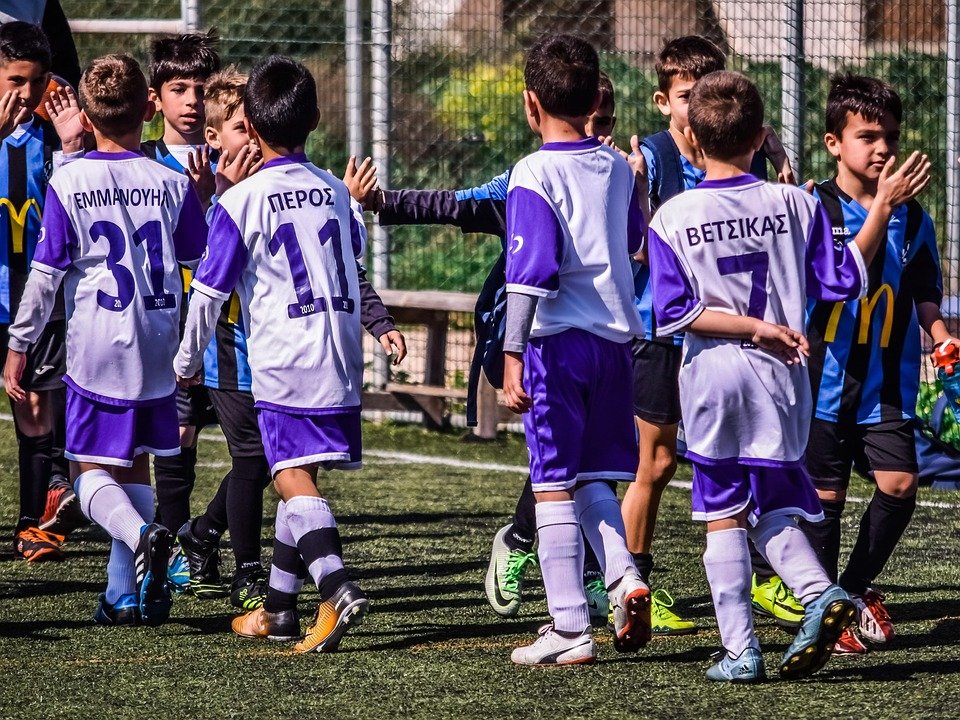
Sportsmanship principles have evolved significantly over the centuries, shaped by a variety of cultural, social, and competitive factors. The concept of fair play is not just a contemporary ideal; it has historical roots that inform how we understand and practice sports today. This article explores the evolution of fair play, examining key developments and principles that have shaped the landscape of sportsmanship.
Roots of Sportsmanship
The origins of sportsmanship can be traced back to ancient civilizations such as Greece and Rome, where physical competition was not only a test of strength and skill but also a demonstration of character. Ancient Greek athletes competed in the Olympics with an emphasis on honor and respect, encapsulated in the Olympic oath that states: “We will compete for the glory of sport, with no thought of personal gain.”
The Emergence of Formal Rules
As sports began to formalize in the 19th century, codified rules emerged that emphasized fair play. The establishment of governing bodies for various sports, like the Football Association in England in 1863, introduced standardized regulations that aimed to maintain fairness. The adoption of the following principles was essential:
- Equal Opportunity: Rules were designed to create a level playing field for all participants.
- Respect for Opponents: Athletes were encouraged to respect their competitors as equals.
- Integrity: Players were expected to adhere to the rules, both in action and spirit.
Influence of Sports Legends
Throughout history, various athletes have embodied the principles of fair play. For instance, sports icons like Pele in soccer and Martina Navratilova in tennis have promoted respect and integrity on and off the field. Their actions and attitudes have often transcended athletic achievement, inspiring younger generations to value sportsmanship.
Modern Interpretations of Fair Play
In contemporary sports, the principles of fair play are more critical than ever. The following aspects highlight the modern understanding of sportsmanship:
- Respect for Officials: Modern athletes are taught to respect referees and umpires, recognizing their crucial role in maintaining the integrity of the game.
- Positive Behavior: Coaches and teams emphasize maintaining a positive attitude, regardless of the outcome of a match.
- Inclusivity: Sportsmanship today embraces diversity and inclusivity, encouraging participation from all demographics.
The Role of Technology and Training
Advancements in technology and sports science have also influenced fair play. Enhanced training methods focus on not only improving athletic performance but also instilling values such as teamwork and mutual respect. Programs aimed at young athletes often include lessons on sportsmanship as a critical aspect of their overall development.
Conclusion
The evolution of fair play demonstrates how deeply intertwined sportsmanship principles are with the cultural fabric of athletic competition. Understanding the historical context helps individuals appreciate the importance of integrity, respect, and equality in sports. By continuing to foster these values, we promote a culture of sportsmanship that honors the spirit of competition and the athletes who dedicate their lives to the pursuit of excellence.