






















Lithuania Declares State of Emergency Amid Smuggler Balloon Crisis
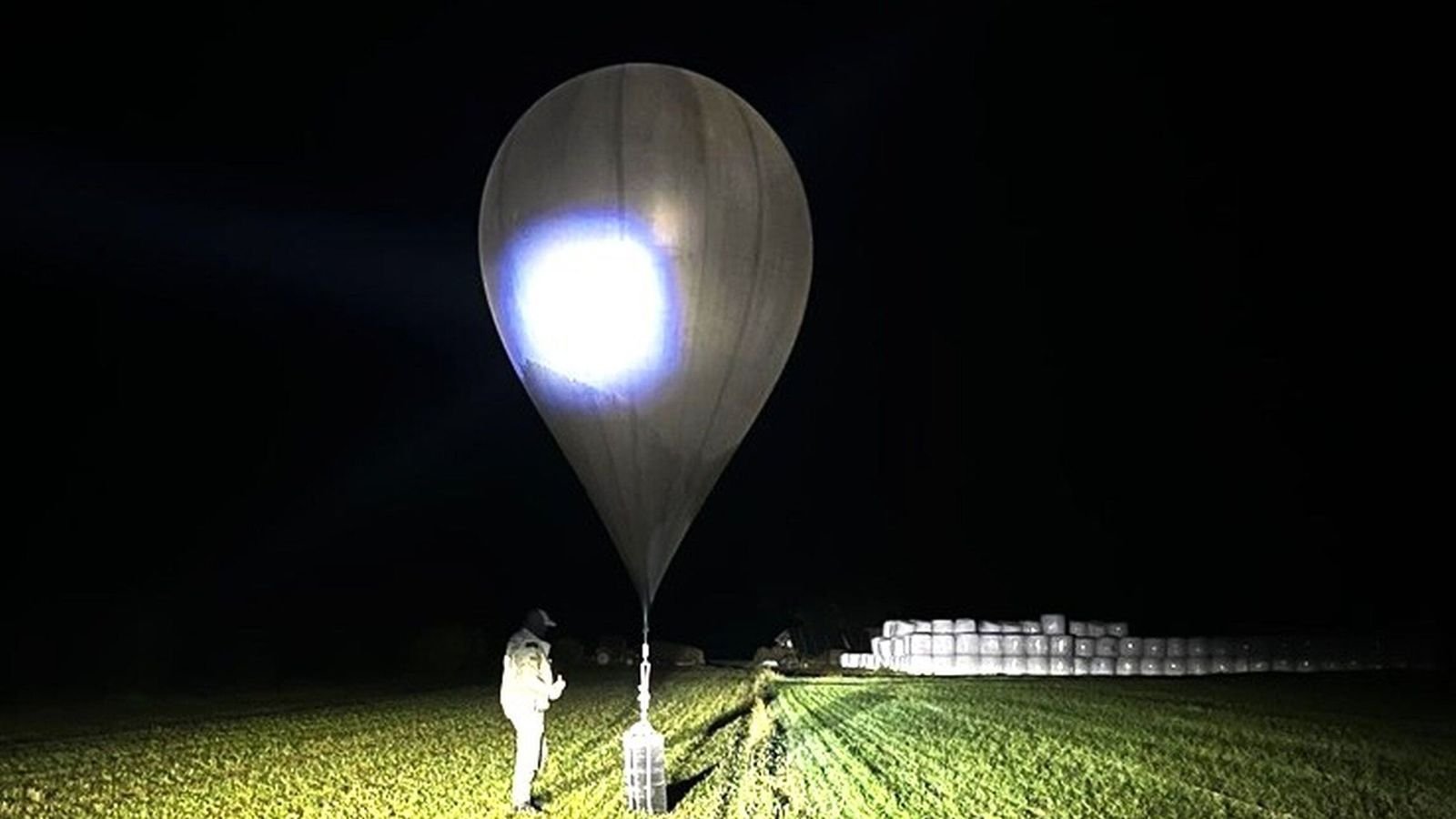
Lithuania has implemented a state of emergency due to disruptions caused by balloon smuggling activities linked to Belarus, leading to the closure of Vilnius airport. The Lithuanian government has characterised these incidents as a form of “hybrid attack,” alleging that they are part of a broader strategy from Belarus, a close ally of Russia.
Impact on Civil Aviation
Recent weeks have seen reports of balloons being used to facilitate the transportation of illicit cigarettes, prompting a significant response from Lithuanian authorities. The situation has escalated to the extent that Vilnius airport had to be shut down to ensure public safety and security.
Government Actions
The country’s Minister of the Interior, Vladislav Kondratovic, noted during a government meeting that the emergency declaration was not solely due to disruptions in civil aviation but was also crucial for national security. He conveyed that the Lithuanian government has requested parliamentary approval to grant military personnel the authority to collaborate with police and border guards during this period.
Upon parliament’s approval, the military will have the power to:
- Restrict access to certain territories
- Stop and search vehicles
- Conduct checks on individuals, their identities, and belongings
- Detain those who resist or are suspected of committing crimes
Military’s Role and Response from Belarus
Lithuania’s Defence Minister, Robert Kaunas, stated that the military would have the capacity to use force if deemed necessary. This action has been met with denial from Belarus, which claims it is not responsible for the balloon incursions and has accused Lithuania of engaging in provocations, including allegations of drone deployments aimed at disseminating extremist material.
International Reactions
European Commission President Ursula von der Leyen described the incidents as “completely unacceptable,” reinforcing the notion that such actions from Belarus constitute a hybrid threat. On December 1, she acknowledged the worsening circumstances along the border and confirmed her support for Lithuania’s responses to safeguard its national integrity.
Background
The crisis occurs against the backdrop of heightened tensions in Eastern Europe, particularly following Russia’s invasion of Ukraine in 2022. Lithuania, a NATO member, has been closely allied with Ukraine in its efforts to counter Russian aggression. The ongoing situation is not only significant for Lithuania but also poses a wider concern for NATO and European security.
The emergency measures instituted by Lithuania will remain in effect until the government determines they can be rescinded, highlighting the seriousness of the situation.
Source: Original Article






