






















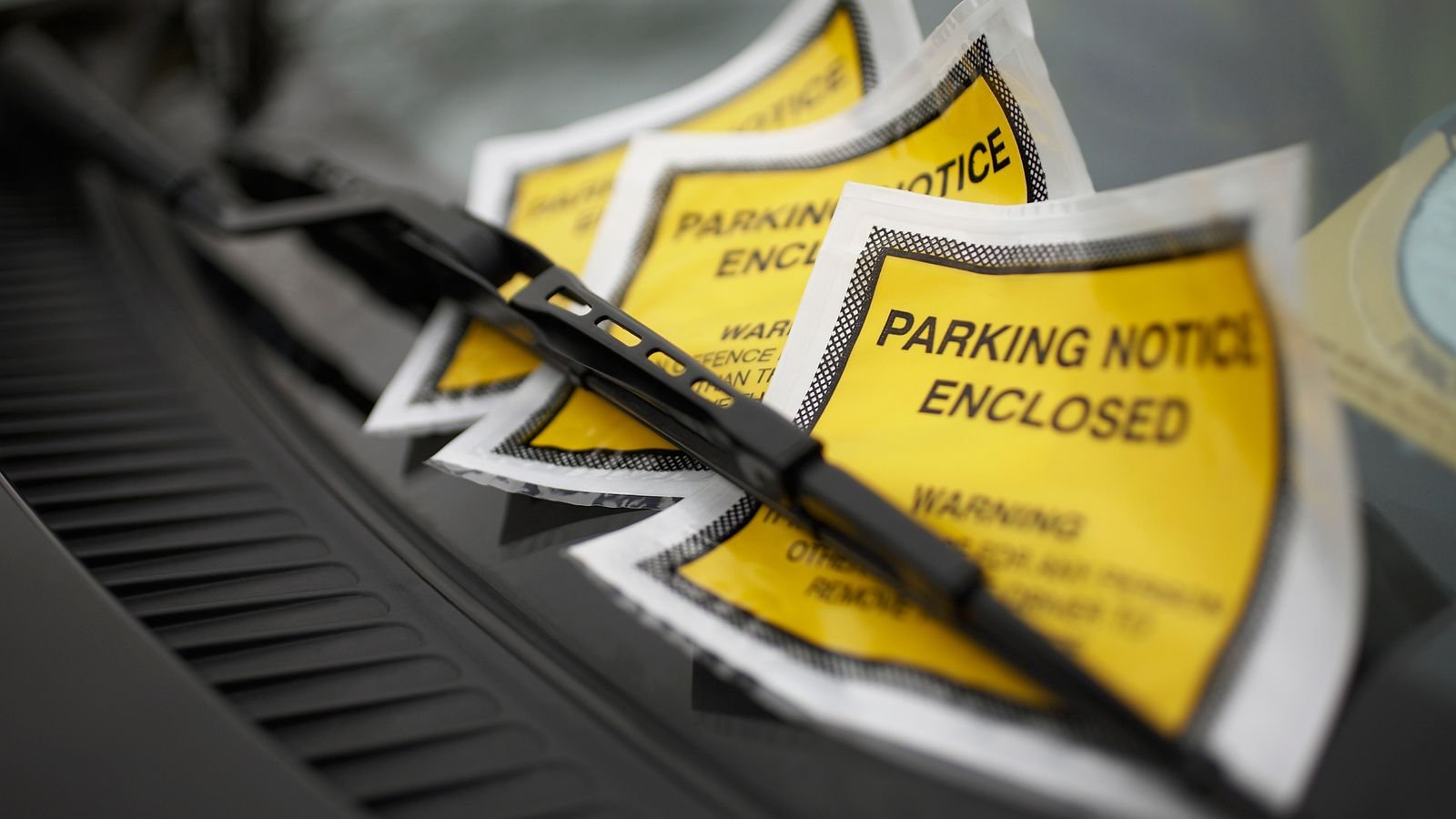
Consumer Disputes Over Parking Fines Intensify
A London resident is facing a hefty £170 parking fine after overstaying in a car park by just one minute while loading her vehicle. Jo, the affected motorist, contends that this charge is unreasonable, especially as she was engaged in shopping at the time. Following her unsuccessful attempts to appeal the fine, the case has now been escalated to a debt collection agency.
Concerns Over Unfair Parking Practices
Scott Dixon, known as The Complaints Resolver, highlights that parking-related complaints are rapidly becoming one of the most prevalent consumer issues. Accusations of unfair practices have emerged as many drivers assert that they are penalised regardless of the circumstances surrounding their parking situations.
Understanding the Code of Practice
The matter draws attention to the Private Parking Sector Single Code of Practice, a set of guidelines created by parking trade associations. Dixon asserts that these guidelines are often ignored, leaving motorists vulnerable to unjust fines.
Consideration and Grace Periods
The Code of Practice delineates two important timeframes relevant to parking: the “consideration period” and the “grace period.” According to Dixon:
- The consideration period grants drivers time to navigate the car park, find a parking space, and assess the terms of use. Depending on the size of the car park, this could range from five to ten minutes.
- The grace period allows for essential activities such as returning to the vehicle, loading parcels, and exiting the car park. This is typically set at a minimum of ten minutes.
Dixon claims Jo’s case falls within these grace period parameters, suggesting that there should not have been any penalties issued as no genuine loss occurred from her brief overstaying.
Options for Contesting Charges
Once the appeal process is reached, consumers should be able to escalate disputes to independent adjudicators, such as the Independent Appeals Service or POPLA for British Parking Association members. In Jo’s circumstance, the escalation of her charge to £170 after an initial appeal appears to contravene procedural fairness.
What Happens Next?
As Jo’s situation moves beyond the appeal stage, it is likely that the parking operator may initiate court proceedings. Meanwhile, Dixon advises that letters from debt collection agencies should be disregarded, as these entities do not hold enforcement authority over the alleged debt.
Nevertheless, a formal letter of claim must be addressed to avoid potential court action. Dixon recommends contacting the car park’s landowner, particularly if it is a supermarket, providing proof of a legitimate purchase as leverage for potential cancellation of the fine.
Potential Outcomes in Court
If the matter escalates to court, Dixon reassures that the principle of de minimis non curat lex—a legal doctrine meaning that trivial breaches are not subject to legal penalties—may support Jo’s case. As the issue is considered minor, it ought to be dismissed by the courts, provided a robust argument is presented.
Background
Parking fines generated through automated systems have become increasingly problematic in the UK. Many motorists express frustration over a perceived lack of fairness and transparency in how parking regulations are enforced. The growing number of complaints indicates a need for tighter regulation in the sector.
For those facing similar challenges, sharing grievances and seeking advice from consumer advocates could provide beneficial insights into navigating the complexities of parking fines and broader consumer disputes.
Source: Original Article






