






















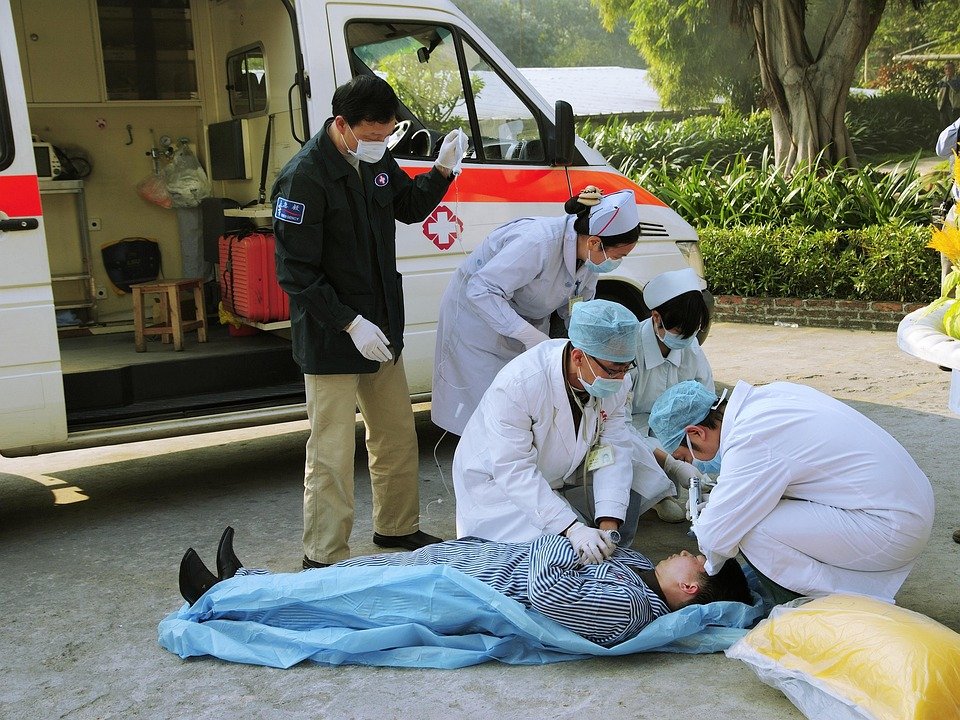
The Importance of First Aid
First aid is the initial assistance given to an individual suffering from an injury or illness. It is a crucial skill that can make a significant difference in emergency situations. Understanding the fundamentals of first aid can empower individuals to act effectively when faced with common injuries.
Basic Principles of First Aid
First aid emphasizes the importance of safety, assessment, and care in handling injuries. The key principles include:
- Stay Calm: Keeping a clear mind helps in assessing the situation effectively.
- Ensure Safety: Check for any immediate dangers to yourself or the injured individual.
- Assess the Situation: Evaluate the extent of the injury and the condition of the person affected.
- Call for Help: When necessary, contact emergency services for professional assistance.
Common Injuries and Their Management
1. Cuts and Scrapes
For minor cuts and scrapes, follow these steps:
- Wash your hands thoroughly before touching the wound.
- Rinse the wound with clean water to remove dirt and debris.
- Apply a sterile bandage to protect the wound from infection.
2. Burns
When managing minor burns, consider the following:
- Cool the burn area under running cool water for several minutes.
- Cover the burn with a clean cloth or bandage.
- Avoid applying ice directly to the burn as it can cause further damage.
3. Sprains and Strains
For sprained or strained muscles and joints, use the RICE method:
- Rest: Avoid using the injured area.
- Ice: Apply ice packs to reduce swelling.
- Compression: Use an elastic bandage to minimize swelling.
- Elevation: Keep the injured area raised above heart level when possible.
4. Nosebleeds
To manage a nosebleed, follow these steps:
- Have the person sit upright and lean forward slightly.
- Pinch the nostrils together firmly for about 10 minutes.
- Avoid tilting the head back, as this can cause blood to flow down the throat.
Creating a First Aid Kit
Having a well-stocked first aid kit is essential for handling emergencies. Consider including the following items:
- Adhesive bandages of various sizes
- Gauze pads and adhesive tape
- Antiseptic wipes or solution
- Scissors and tweezers
- Elastic bandages
- Instant cold packs
- Pain relievers (non-prescription)
- Burn ointment
Importance of Training
While having knowledge of basic first aid can be beneficial, formal training through certified courses is recommended. These courses equip individuals with practical skills and confidence to respond effectively in emergencies.
Conclusion
Understanding the fundamentals of first aid can greatly enhance your ability to assist others in their times of need. Familiarizing yourself with common injuries, their management, and the importance of safety can make a positive impact on the health and well-being of those around you.






