Palestinian Asylum Seeker Voices Frustrations Amid Long Processing Delays
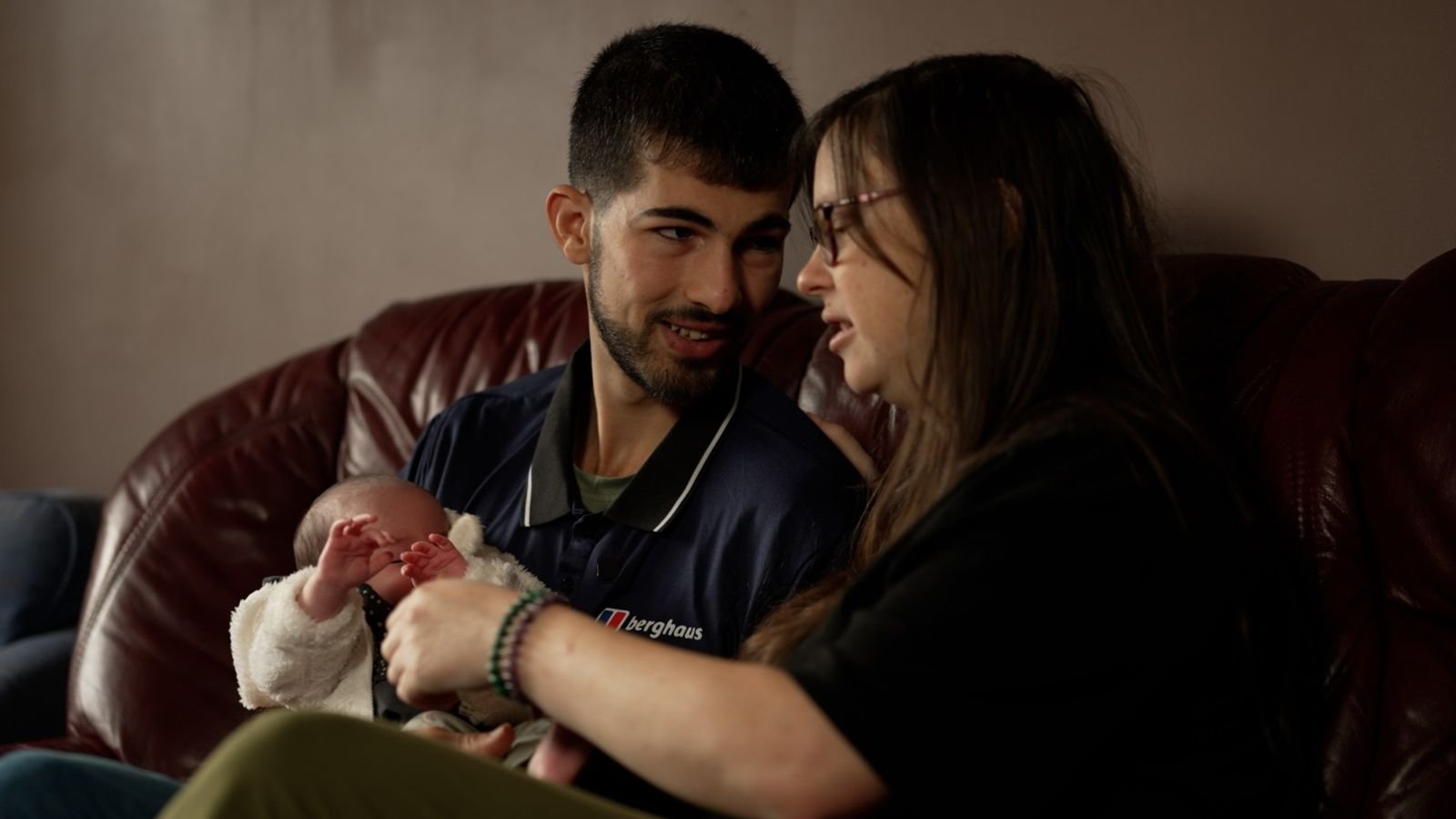
Ibrahim Altaqatqa, a Palestinian asylum seeker, has expressed deep frustration over the protracted delays in the UK’s asylum processing system. Having arrived in the UK two years ago on a tourist visa, he has since awaited a decision on his asylum claim amid significant personal changes, including the birth of his daughter, Alisha, five weeks ago.
Personal Struggles During Wait for Asylum
Since moving to the UK, Ibrahim met his partner, Yvonne, but his unresolved asylum status has hindered their ability to plan for the future. “I can’t just be stuck like this,” says Ibrahim. He emphasised the urgency of his situation, noting, “I can’t waste day after day of my life waiting for somebody to say ‘OK, we give you a decision.'” With a newborn to care for, Ibrahim feels the weight of increased responsibilities.
Having claimed asylum due to his political activism in Hebron, he insists that the lengthy wait for a decision lacks justification. “I don’t think you need two years to process any asylum claim,” he remarked, highlighting his desire to move forward and work.
Amidst Protests and Discontent
Ibrahim has also observed the rising public discontent regarding immigration, commenting that the frustration should be aimed at policymakers rather than asylum seekers. He expressed willingness to engage with protesters, suggesting that their anger should be directed more constructively. “If you are really angry… let’s go together to protest,” he said.
His experiences in temporary accommodations have also been troubling. Ibrahim revealed that he stayed in several Home Office-funded hotels, during which time he suffered from scabies due to poor living conditions. At one point, he felt compelled to sleep on the streets, underscoring the urgent need for better provision of support for asylum seekers.
Backlog and Financial Implications of Asylum Claims
The UK’s independent public spending watchdog, the National Audit Office (NAO), has released findings revealing an alarming backlog of asylum claims. Out of a sample of 5,000 claims lodged nearly three years ago, only 35% have been granted, while a significant 56% remain unresolved. The delays have significant financial implications, with the Home Office and Ministry of Justice reportedly spending almost £5 billion on asylum-related measures in the past year alone, including over £2 billion on hotel accommodations for asylum seekers.
Ruth Kelly, chief analyst at the NAO, indicated that the government’s reactive strategies have often exacerbated the existing delays and inefficiencies. “That’s led to wasted funds, poor outcomes for asylum seekers, and harm to the government’s ability to meet its obligations to citizens,” she noted.
Government Reactions and Proposed Reforms
The UK government has announced various measures aimed at overhauling the asylum system, reflecting a commitment to restoring order and reducing illegal immigration. A spokesperson stated that the Home Secretary has introduced substantial reforms intended to tackle the issues raised by the NAO, including enhanced efforts to remove individuals without legal rights to remain in the UK.
These developments come at a time when asylum claims in the UK are rising, even as they are declining in many other European nations. With an aim to streamline the process and better allocate resources, the government is under considerable pressure to implement long-term solutions to an increasingly complex and pressing issue.
Background
The current asylum situation in the UK has evolved amid a global refugee crisis, with many fleeing conflict or persecution seeking safe haven. The conditions faced by asylum seekers like Ibrahim reflect systemic challenges in the UK’s handling of migration and asylum claims, sparking ongoing debates over policy and humanitarian responsibility.
Source: Original Article