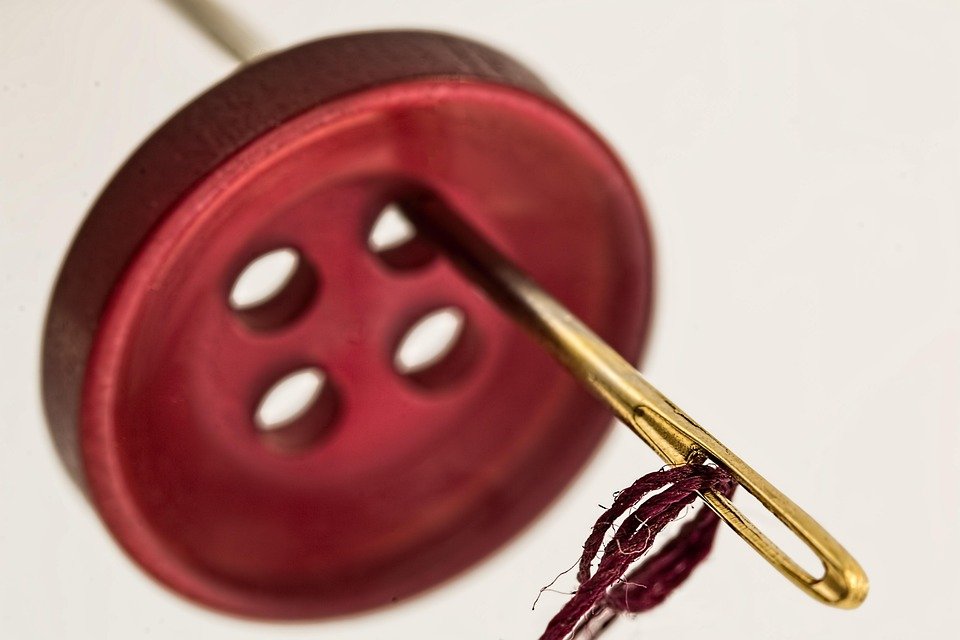
The art of tailoring has long been a cornerstone of fashion, intricately linked to the history of clothing itself. From the refined silhouettes of the 18th century to the structured forms of the modern era, tailoring emphasizes precision, craftsmanship, and individual expression. This article explores how the practice of tailoring has evolved over centuries, shaping clothing fit and style.
The Historical Context of Tailoring
Tailoring originated in the Middle Ages when skilled artisans began crafting garments that catered to individual body shapes. Over time, this practice evolved into a specialized profession, leading to notable sartorial developments.
- The 18th Century: Tailoring reached new heights with the advent of the fitted coat, known as the frock coat. This era was marked by elaborate styles and luxurious fabrics, as seen in the work of tailors for the aristocracy.
- The 19th Century: The Industrial Revolution introduced mass production, yet bespoke tailoring persisted, emphasizing the unique craftsmanship of pieces made specifically for individuals. The creation of the tailored suit, particularly for men, became a symbol of status.
- The Early 20th Century: Designers like Coco Chanel revolutionized women’s fashion, introducing more relaxed silhouettes and elevating the importance of fit in feminine attire.
- The Late 20th Century: Influential designers such as Giorgio Armani brought tailoring into casual wear, blending traditional techniques with contemporary aesthetics.
The Techniques of Tailoring
Precision in crafting garments is not merely an aesthetic choice but an essential aspect of tailoring that enhances fit and comfort. Key techniques include:
- Pattern Making: The foundation of a well-tailored garment lies in an accurate pattern. Tailors create patterns that are adjusted to accommodate diverse body shapes.
- Fitting: Multiple fittings ensure that a garment contours appropriately to the body, allowing for adjustments that account for movement and personal preference.
- Seam Construction: The choice of seams influences both durability and appearance. Techniques such as flat-felling and French seams provide structure while minimizing bulk.
- Finishing Touches: Details like darts and pleats add dimension and shape to a garment, enhancing the overall fit and silhouette.
The Impact of Tailoring on Fashion
Tailoring has profoundly influenced fashion trends and practices. The emphasis on fit can elevate a simple piece into a statement of sophistication. Tailored garments convey confidence and professionalism, a principle widely embraced in both men’s and women’s fashion.
- Influence on Formal Wear: Tailoring remains integral to formal attire. The classic tuxedo and wedding suit showcase the continued relevance of precise craftsmanship in special occasions.
- Adaptation to Modern Aesthetics: Contemporary designers have reinterpreted traditional tailoring, merging it with relaxed styles. The blend of tailoring in streetwear offers versatility while maintaining elegance.
- Cultural Significance: Tailoring traditions vary globally, from the structured kilt in Scotland to the elegant kimono in Japan, showcasing how regional styles can influence the concept of fit and silhouette.
Conclusion
The art of tailoring is a testament to the enduring quest for the perfect fit, a journey through history that reveals the interconnectedness of craftsmanship, culture, and fashion. As clothing continues to evolve, the principles of tailoring remain relevant, ensuring that garments not only look good but also feel tailored to the individual.