






















Italian Cuisine Gains UNESCO Recognition
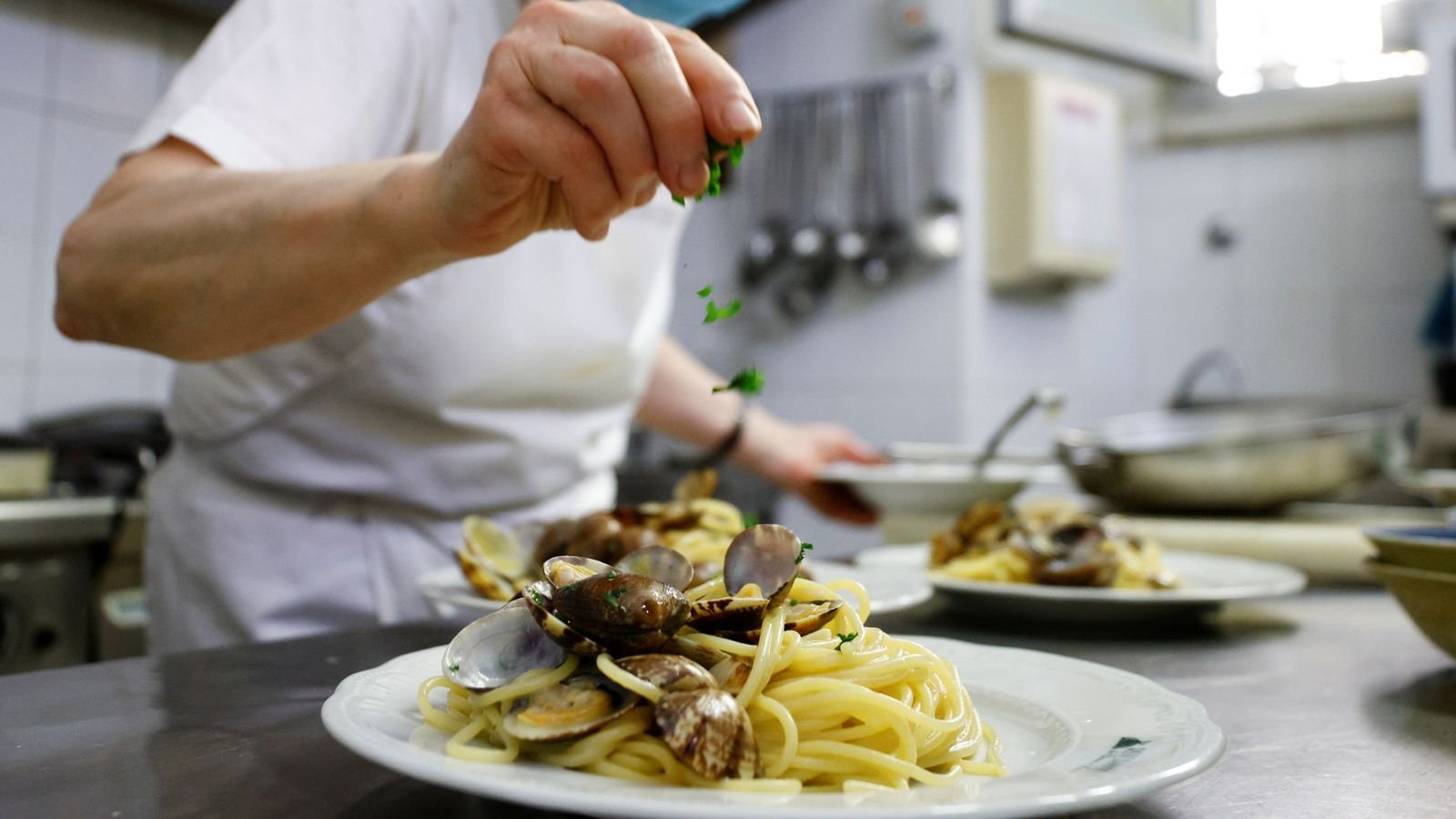
Renowned globally for its delectable pizzas and pasta dishes, Italian cuisine has officially been recognised by UNESCO as an “intangible cultural heritage”. This honour was awarded following a panel vote in New Delhi, affirming the significance of Italy’s culinary practices to its cultural identity.
UNESCO Recognition Process
This honour marks Italy’s 21st inclusion on UNESCO’s intangible cultural heritage list, joining esteemed entries such as Neapolitan pizza-making and Cremona’s craft of violin-making. Italy’s submission for this accolade emphasised the sustainable practices and biocultural diversity inherent in its culinary traditions.
Culinary Values and Rituals
Advocates for this recognition have highlighted the Italian approach to cooking, which prioritises fresh, seasonal ingredients and minimises waste. Furthermore, Italy’s gastronomic variety reflects its rich regional differences and the influences of various cultures, including those introduced by migrants.
While the citation did not focus on specific dishes, it underscored the pivotal role rituals surrounding cooking and dining play in Italian culture. Pier Luigi Petrillo, a member of the campaign for Italian cuisine’s UNESCO status, stated, “Cooking is a gesture of love that expresses our identity and care for others.” He further remarked on the rarity of such dining traditions in other parts of the world.
Impact of Previous Recognition
The recognition of Neapolitan pizza-making significantly impacted the culinary education landscape, leading to a staggering 400% increase in accredited schools for aspiring pizza chefs. This trend illustrates the potential benefits of UNESCO recognition for cultural practices beyond the initial accolade.
Reaction and Celebrations
Italian Prime Minister Giorgia Meloni expressed her pride in the designation, remarking that for Italians, cuisine embodies much more than mere recipes—it is a fusion of culture, tradition, and economic significance. In celebration of this cultural achievement, festivities will take place in Rome, featuring a sound and light display at the Colosseum.
Background
UNESCO’s list aims to preserve and promote cultural heritage around the globe, with Italy being a prominent contributor. The recognition of its culinary traditions highlights a growing understanding of food as a vital part of cultural expression and identity. This event not only celebrates Italian culture but also reinforces the importance of preserving culinary practices worldwide.
Source: Original Article






