






















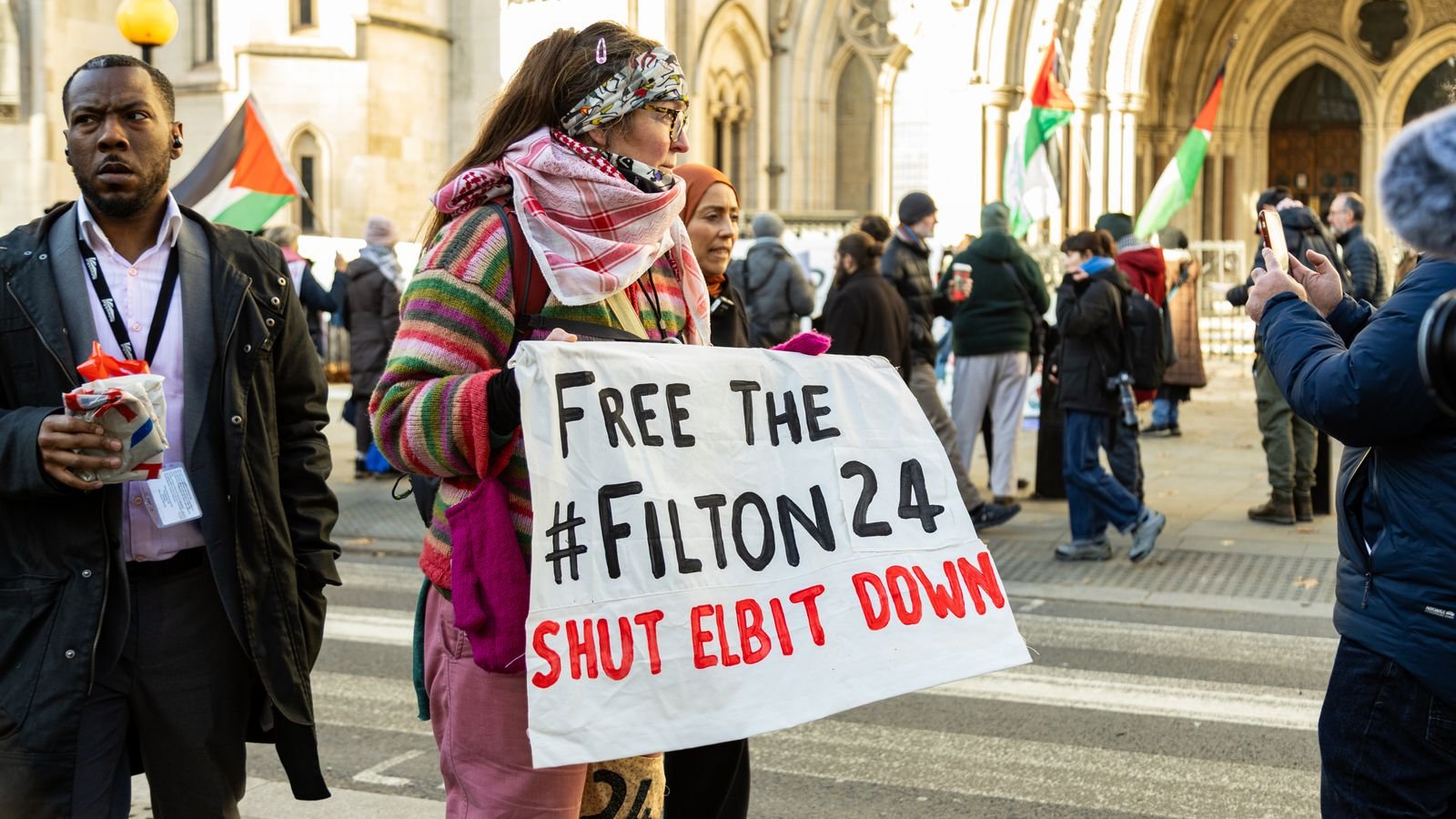
Palestine Action Hunger Strike Intensifies with Hospitalisations
Amid escalating tensions, five prisoners associated with Palestine Action have been admitted to the hospital following severe hunger strikes. Their legal representatives informed the Justice Secretary that eight individuals are currently participating in what is considered one of the most significant hunger strikes in the UK since 1981.
Current Health Conditions of Strikers
The striking prisoners are enduring extreme conditions, with two individuals on their 38th day without food. Kamran Ahmed, one of the participants, has been on hunger strike for 31 days while awaiting trial and has been hospitalised twice after collapsing in his cell on November 21. His most recent admission occurred on Monday evening, highlighting the critical state of his health.
Shahmina Alam, his sister, expressed her family’s deep anxiety about his condition. “I don’t sleep through the night because I’m constantly anticipating a call—the worst call you can get,” Alam shared, revealing the emotional toll of the situation. Kamran faces charges including aggravated burglary and violating public order in connection with an alleged break-in at a facility linked to the Israel-based arms manufacturer, Elbit Systems UK, in August 2024.
Impact on Families
Shahmina described the emotional strain on their family, noting their parents are struggling to cope with the ongoing uncertainty. “My dad has been crying, and my mum seems lost. A lot of us are just broken apart. We’re shattered, physically and mentally,” she stated, lamenting their inability to visit him in the hospital.
Criticism of Prison Conditions
A letter from the law firm Imran Khan & Partners has condemned the conditions in which the prisoners are held, asserting there is a serious risk of fatalities among these citizens before they even face trial. This includes descriptions of alarming health issues among the hunger strikers, such as elevated pulse rates and muscle twitching.
The letter highlights that Kamran Ahmed has been repeatedly hospitalised due to dangerously high ketone levels, alongside experiencing dizziness and respiratory issues. Reports indicate that he has lost over 10 kilograms during this period. His family remains in limbo, unable to obtain timely updates on his health.
Political Response and Public Concern
The situation has garnered political attention, with Labour MP John McDonnell raising concerns in the House of Commons over the Justice Secretary’s lack of communication regarding the matter. He called for urgent government action, expressing disappointment at the absence of dialogue on such a critical issue.
Speaking on the larger implications, Palestine Action emphasised that the hunger strikers were arrested for actions prior to the group’s proscription, indicating that they have faced lengthy detentions without trial. This raises questions about the treatment of political activists and the rights of individuals involved in social justice movements across the UK.
Background
The hunger strike comes amidst heightened activism related to Palestine and broader discussions about governmental response to protests. The group, Palestine Action, focuses on dismantling the infrastructure of companies perceived to be complicit in military actions against Palestine, which has sparked debate regarding the balance between national security and activism. In light of these current events, public awareness and concern regarding the treatment of political detainees are likely to increase.
As the situation develops, the Ministry of Justice has yet to provide an official response, leaving many to speculate about the next steps in this ongoing saga.
Source: Original Article






