US Seizes Venezuelan Oil Tanker, Heightening Diplomatic Tensions
The United States has taken control of an oil tanker off the coast of Venezuela, intensifying the ongoing strain between Washington and Caracas. This unusual move was confirmed by US President Donald Trump during a press briefing, highlighting his administration’s ongoing efforts to exert pressure on the Venezuelan government.
Details of the Seizure
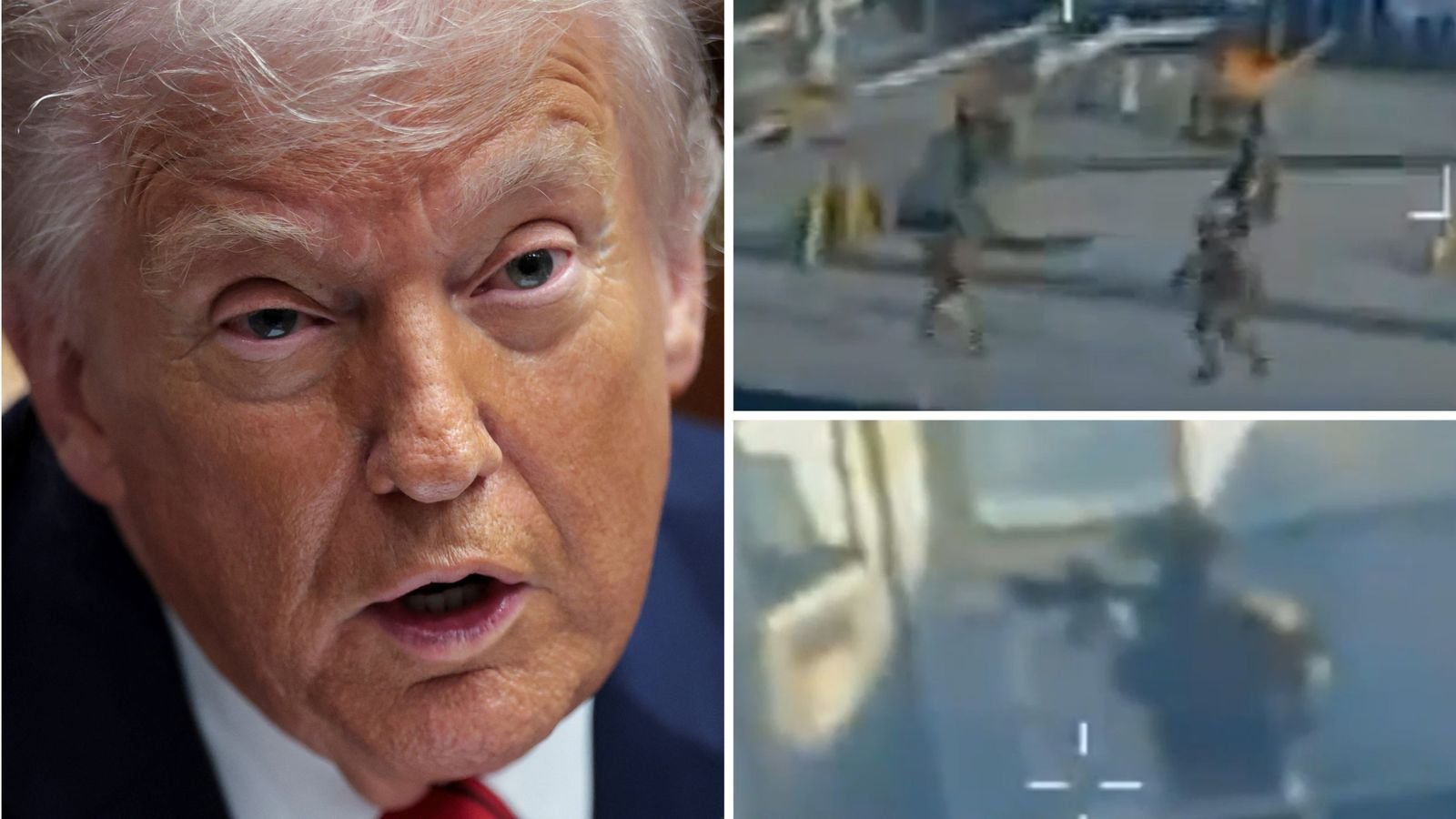
In a notable display of military might, US forces executed a seizure warrant on the tanker. The operation was led by Attorney General Pam Bondi, who released footage showing a helicopter hovering above the vessel as troops rappelled down to the deck. Armed personnel were observed storming the ship, preparing to secure it from potential threats.
The operation involved multiple US agencies, including the Coast Guard and the Department of Defence, and utilized specialized teams trained for high-risk maritime operations. Active-duty military personnel also provided support but could not board the vessel due to operational restrictions.
The Rationale Behind the Seizure
According to Ms Bondi, the tanker had been involved in transporting oil from sanctioned nations, specifically Venezuela and Iran. This particular vessel has been under US sanctions for alleged participation in an illicit oil trade that allegedly supports terrorist groups. Although the specific name of the tanker was initially withheld, it has been identified as ‘Skipper’, previously sanctioned under the name ‘Adisa.’
Reports indicate that the Skipper left Venezuela’s Jose port after loading around 1.1 million barrels of crude oil. The ship had reportedly been sailing under a false Guyanese flag, prompting authorities in Guyana to address the unauthorized use of their national emblem.
Reactions from Key Figures
President Trump emphasized the significance of the seizure, claiming it to be the largest tanker of its kind ever confiscated. He indicated that the action was carried out for a compelling reason and hinted at further developments in the matter. Trump’s comments included a suggestion that other regional leaders could face similar fates if they failed to align with US expectations regarding drug trafficking issues.
In stark contrast, Venezuelan President Nicolas Maduro did not directly address the tanker seizure at a public rally but warned that Venezuela is ready to defend itself against what he termed the “North American empire.” His government condemned the US action as “an act of international piracy” and vowed to protect its sovereignty against such aggressive moves.
Background: The Strained US-Venezuela Relations
The US has long been critical of Maduro’s administration, accusing it of facilitating drug trafficking within its borders, an allegation the Venezuelan government vehemently denies. Recent escalations have included military deployments and operations against vessels believed to be drug smuggling. Just weeks ago, Trump authorized CIA operations within Venezuela aimed specifically at countering alleged drug crimes.
Venezuelan officials have also accused the US of attempting to seize control of the country’s vast oil reserves, which are among the largest in the world. This perception of US interventions has fostered fears of an impending conflict.
Impact and Future Considerations
The tanker seizure underscores a shift in US foreign policy, focusing on overt military action rather than diplomatic negotiations. This incident is part of a broader strategy to destabilize Maduro’s government, which the US views as a serious threat. Critics have articulated concerns that this stance may not only endanger regional stability but also complicate the already fraught relations between the US and other Latin American nations.
The story highlights critical geopolitical dynamics that resonate beyond South America, drawing in global powers and threatening the potential for extended conflicts. With Trump’s administration intensifying military pressures, the international community watches closely to see how this situation unfolds.
Source: Original Article