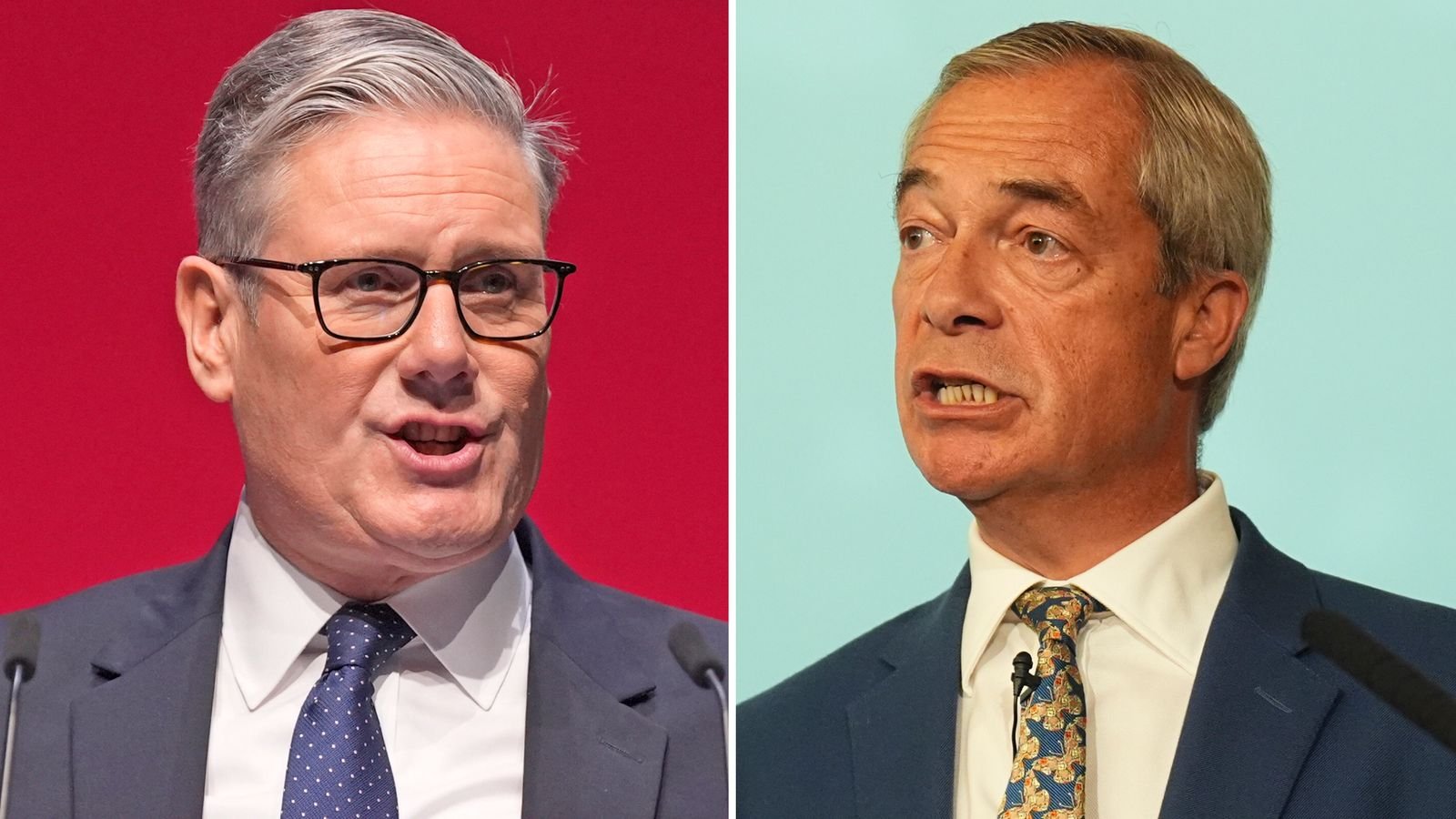
Concerns Raised Over Labour’s Potential Customs Union Negotiations
Sir Keir Starmer has been cautioned that any attempts to negotiate a re-entry into an EU customs union could inadvertently provide support for the Reform Party. This warning comes from Labour peer Harriet Harman, amid increasing discussions within the party regarding trade arrangements with the EU.
Labour Party Dynamics
In a recent episode of the Electoral Dysfunction podcast, Harman expressed her belief that while the government may not rejoin the current customs union fully, it could engage with certain aspects of it. This follows an event where 13 Labour MPs aligned with a Liberal Democrat bill advocating for discussions to enter a tailored customs union with the EU.
Though Starmer has made clear that rejoining the customs union is not part of current Labour policy, the development has raised speculation about the possibility of a unique trading partnership with the EU. During this political discourse, Baroness Harman suggested that Starmer might find a workaround similar to actions taken during recent budget discussions, which could allow Labour to avoid fully committing to previous positions.
Political Implications
The conversation around customs union negotiations has caught the attention of various political figures. Ruth Davidson, the former leader of the Scottish Conservatives, highlighted potential risks for Labour in proceeding with such plans. She noted that it could further empower the Reform Party and complicate Labour’s political landscape.
Davidson remarked, “This would be a politically intricate endeavour that could take an extensive amount of time to fully realise, even if the economic advantages seem appealing.” She cautioned that this issue would serve as significant “fuel for Reform.”
Background
The context for this discussion stems from Labour’s ongoing effort to redefine its stance on post-Brexit relations with the EU. The recent backing of a bill by Labour MPs for a bespoke customs arrangement marks a shift in discourse, reflecting broader concerns over trade relationships following the UK’s exit from the EU.
As negotiations and political strategies unfold, the implications of these discussions could resonate widely, shaping Labour’s approach to trade and its overall electoral prospects in the lead-up to future elections.
Source: Original Article