






















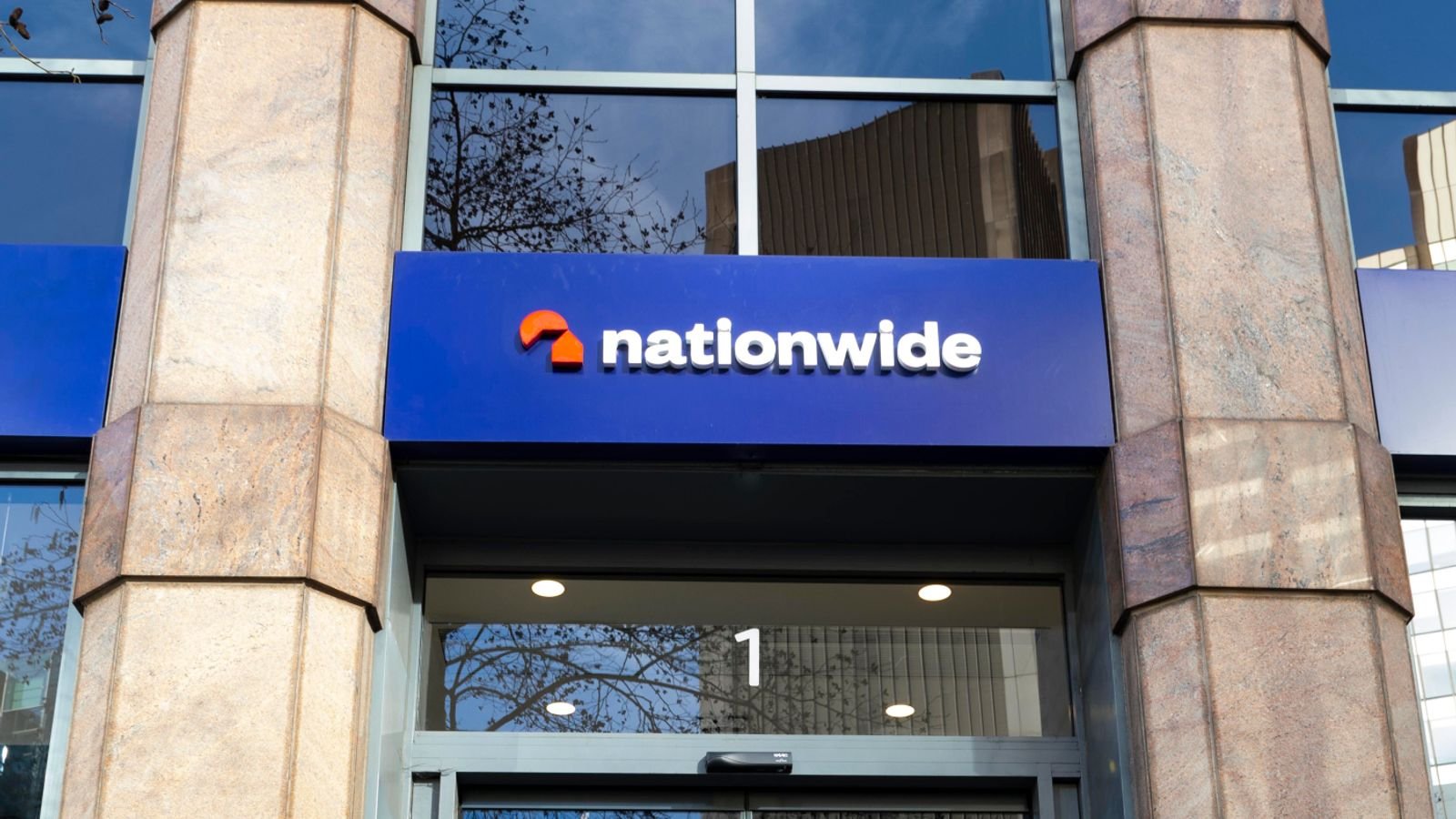
Nationwide Fined £44 Million for Inadequate Anti-Financial Crime Measures
The Financial Conduct Authority (FCA) has imposed a £44 million fine on Nationwide Building Society for failing to adequately combat financial crime, particularly during the critical period between October 2016 and July 2021. The regulator highlighted significant shortcomings in Nationwide’s policies related to monitoring personal current accounts.
Regulatory Criticism of Nationwide’s Practices
The FCA accused Nationwide of having ineffective measures to prevent serious offences, including money laundering. One notable instance involved the society’s inability to detect a customer misusing their current accounts to receive fraudulent COVID-19 furlough payments, amounting to millions of pounds. Over a span of 13 months, a total of 24 payments, aggregating £27.3 million, were deposited into a personal account, including £26 million within just eight days.
While the majority of these funds were recovered by HMRC, about £800,000 remains unaccounted for. The FCA’s report indicated that Nationwide had been made aware of clients utilising their personal accounts for business transactions—an action that contravened their terms of service. As Nationwide did not offer business accounts at that time, it lacked the essential processes required to manage the financial risks linked to these activities.
Comments from Financial Authorities and Nationwide
Therese Chambers, a director at the FCA, expressed concern over Nationwide’s failure to effectively manage the financial crime risks present within its customer base. She stated that the institution took an excessive amount of time to rectify its flawed systems and inadequate controls, which resulted in missed warning signs with potentially serious repercussions.
A spokesperson for Nationwide acknowledged these issues, revealing that they were identified during the society’s own evaluations prior to July 2021. The spokesperson stated that Nationwide had fully cooperated with the FCA investigation and expressed regret regarding the inadequacies of their controls during that period. They emphasised their commitment to enhancing their economic crime control framework since 2021 to ensure the robustness of their systems moving forward.
Wider Context of Financial Crime Enforcement
This penalty against Nationwide is part of a broader trend of financial institutions facing scrutiny for inadequacies in preventing financial crime. In December 2022, Santander UK was fined £107.8 million for repeated money laundering failures, and in November 2024, Metro Bank faced a £16 million penalty, highlighting a growing emphasis on accountability in the banking sector.
Background
Financial crime remains a significant issue within the UK, prompting regulators like the FCA to take decisive action against banks and building societies that neglect their responsibilities. With the rise of sophisticated financial fraud tactics, institutions are under increasing pressure to implement effective monitoring and reporting systems to protect consumers and uphold the integrity of the UK financial system.
Source: Original Article






