























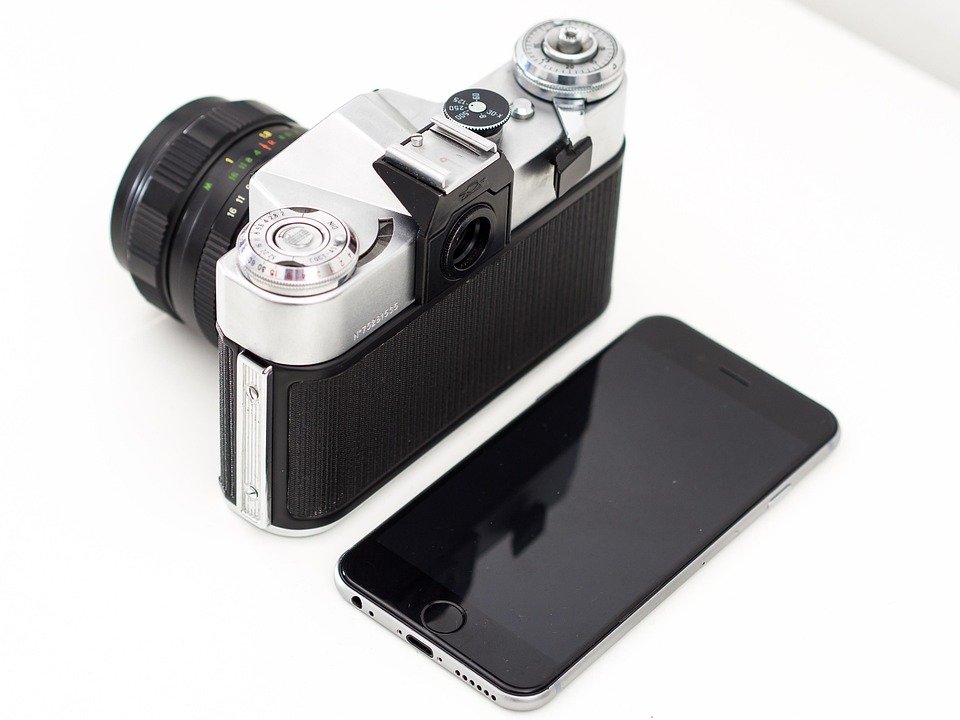
The Transition from Film to Digital: A Historical Overview
The transition from film to digital cinema has been one of the most significant developments in the history of filmmaking. This change has reshaped how films are produced, distributed, and consumed, marking a crucial evolution in the medium as a whole.
Early Beginnings of Film
Before delving into the digital realm, it is essential to appreciate the foundation laid by traditional film techniques. The invention of the motion picture camera in the late 19th century, exemplified by the work of pioneers like Thomas Edison and the Lumière brothers, set the stage for a new form of storytelling. Over the decades, film evolved through various movements, including silent films, the emergence of sound in the late 1920s, and the adoption of color in the 1930s.
The Advent of Video Technology
The late 20th century witnessed significant technological advancements with the introduction of video technology. The development of the VHS format in the late 1970s and its subsequent popularity transformed how audiences interacted with cinema, allowing for home viewing and a broader distribution of films. However, this change created a divided landscape, as traditional cinema still thrived in theaters.
The Emergence of Digital Cinema
The late 1990s and early 2000s marked the rise of digital cinema. The development of digital cameras, such as the Sony HDR-FX1 in 2004, began to gain traction among filmmakers. The shift was gradual, as audiences and industry professionals struggled to embrace digital formats fully. Pioneering films like Star Wars: Episode I – The Phantom Menace (1999) utilized a combination of digital and traditional filming techniques, showcasing the potential of new technology.
Key Milestones in Digital Filmmaking
Several key milestones signified the acceptance of digital filmmaking:
- 2002: Elizabethtown became one of the first major films to be shot entirely on digital-technology.
- 2007: The launch of the RED One camera, which offered high-definition resolution, allowed independent filmmakers to access digital filmmaking more affordably.
- 2012: Life of Pi won the Academy Award for Best Visual Effects, showcasing the artistic potential of digital technology.
Impact on Filmmaking Techniques
The incorporation of digital technology has vastly altered the way filmmakers approach production. Directors such as David Fincher and Christopher Nolan have embraced digital tools to enhance their narratives, utilizing high-definition cameras and advanced editing software.
The Influence of Streaming Services
The rise of streaming platforms, such as Netflix and Amazon Prime, has further propelled the shift toward digital cinema. These services not only provide a new avenue for distribution but also encourage the production of diverse content. Filmmakers now have the opportunity to reach global audiences without the limitations of traditional cinema.
The Future of Digital Cinema
As technology continues to advance, the future of digital cinema looks promising. Innovations such as virtual reality (VR) and augmented reality (AR) are already beginning to change how stories are told, providing new ways for audiences to engage with film.
Conclusion
The transition from film to digital cinema represents a remarkable chapter in the history of filmmaking. It reflects not only technological advancements but also changes in audience viewing habits and industry practices. As filmmakers continue to explore the possibilities presented by digital technology, they remain grounded in the rich traditions established by those who came before them.






