






















Knowing basic first aid can be invaluable in treating minor injuries and ensuring proper care until professional help is available. This article outlines essential steps for treating common minor injuries effectively and safely.
1. Wash Your Hands
Before attending to any injury, it’s important to ensure your hands are clean to prevent infection. Use soap and water to wash your hands thoroughly, or use hand sanitizer if soap is not available.
2. Assess the Situation
Take a moment to assess the injury. Determine the extent of the injury and whether professional medical help is needed. For minor injuries, you can proceed with basic first aid.
3. Treating Cuts and Scrapes
- Clean the Wound: Rinse the cut or scrape under clean, running water to remove dirt and debris.
- Disinfect: Apply a mild antiseptic solution to the area to prevent infection.
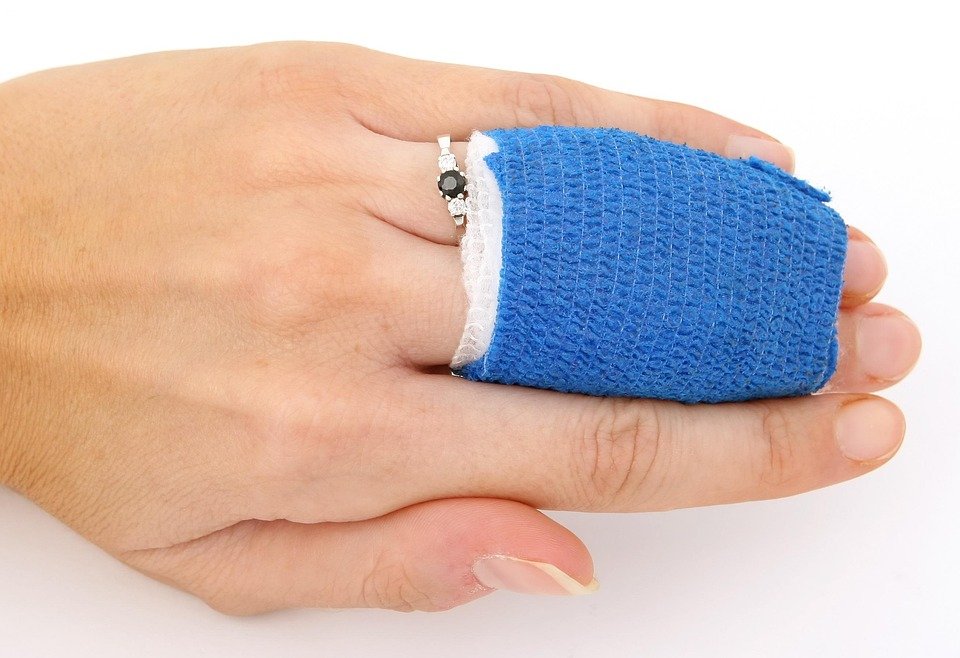
- Cover the Wound: Use a sterile bandage or adhesive plaster to cover the injury, allowing it to breathe and protect it from dirt.
4. Managing Minor Burns
- Cool the Burn: Hold the burn under cool running water for at least 10 minutes. This helps reduce swelling and discomfort.
- Cover the Area: Use a sterile, non-stick bandage to cover the burn. Avoid using ice or very cold water directly on the burn.
- Avoid Breaking Blisters: If blisters form, do not pop them, as this can lead to infection.
5. Addressing Sprains and Strains
- Rest: Allow the injured area to rest to prevent further injury.
- Ice: Apply a cold pack or ice wrapped in a cloth to the area for 15-20 minutes at a time to reduce swelling.
- Compress: Use an elastic bandage to gently compress the area, being careful not to cut off circulation.
- Elevate: Raise the injured limb above the heart level to minimize swelling.
6. Treating Nosebleeds
- Stay Calm: Encourage the injured person to remain calm and sit up straight.
- Pinch the Nose: Pinch the soft part of the nose and lean slightly forward to prevent swallowing blood.
- Apply Cold: Place a cold pack on the back of the neck or forehead to help constrict blood vessels.
7. Aftercare
After providing first aid, it is essential to monitor the injured area for signs of infection, such as increased redness, swelling, or pus. Encourage the injured person to seek further medical attention if needed, especially if symptoms worsen.
8. Always Be Prepared
Having a well-stocked first aid kit at home and in your vehicle is a good practice. Ensure that everyone in your household knows how to access the kit and is aware of basic first aid procedures.
Remember that while first aid can assist with minor injuries, it is important to seek professional medical assistance for more serious concerns.






