






















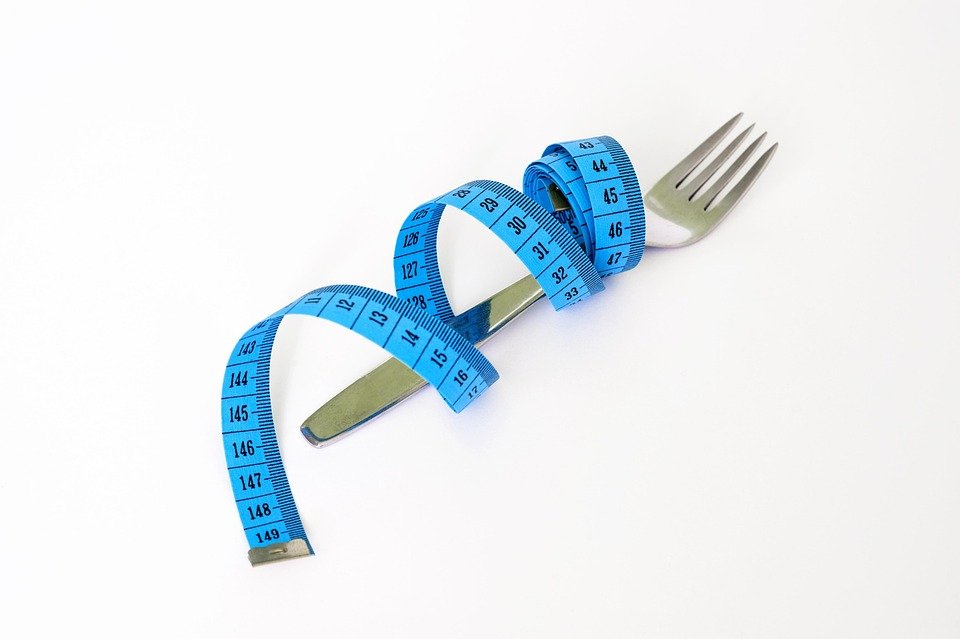
Understanding Portion Control
Portion control is an important aspect of maintaining a balanced diet and achieving overall wellness. It refers to the practice of managing serving sizes of food and beverages consumed. By being mindful of portion sizes, individuals can better regulate their calorie intake, promote healthy eating habits, and support weight management efforts.
Benefits of Portion Control
Implementing portion control can have several benefits, including:
- Improved awareness of food intake
- Reduced overeating and snacking
- Better nutrient balance in meals
- Support for maintaining a healthy weight
Strategies for Effective Portion Control
Here are some practical strategies to help manage portion sizes effectively:
- Use Smaller Plates and Bowls: Smaller dishes can visually trick the brain into thinking the serving size is larger, making it easier to control portions.
- Read Food Labels: Pay attention to serving sizes indicated on packaging, as they provide a guideline for portion control.
- Measure Portions: Use measuring cups or a food scale to serve appropriate portions, especially for high-calorie foods.
- Be Mindful While Eating: Focus on eating without distractions such as TV or smartphones, which can lead to mindless eating and larger portion sizes.
- Plan Meals Ahead: Prepare and portion meals in advance to avoid the temptation of larger servings when hungry.
- Serve Food Family Style: Instead of placing large serving dishes on the table, serve individual portions to limit how much food can be taken at once.
- Avoid Eating Directly from Packages: This can lead to consuming larger portions than intended. Portion out snacks or treats into a bowl.
Conclusion
Adopting portion control practices can lead to healthier eating habits and support overall wellness. By being mindful of serving sizes and employing simple strategies, individuals can create a more balanced approach to eating that benefits both physical and mental health.






