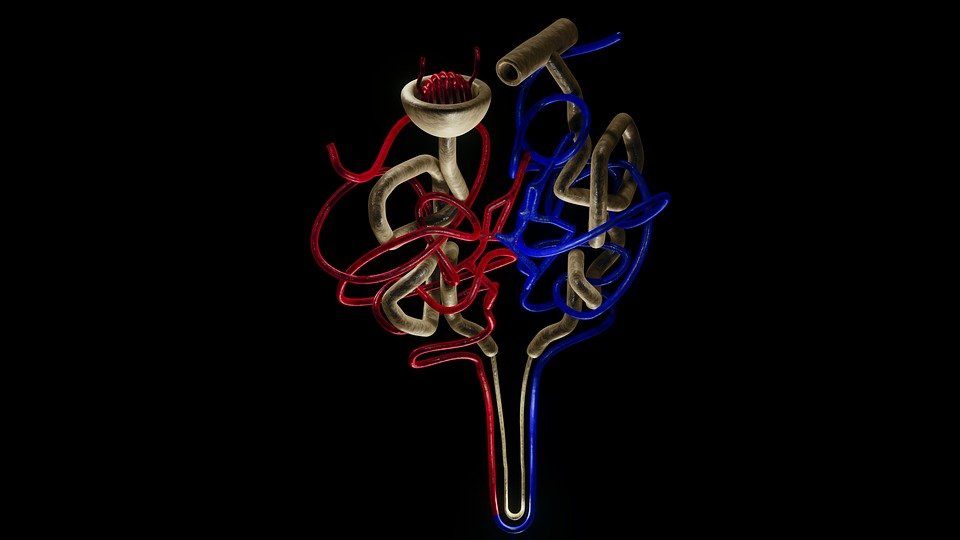
The kidneys are vital organs that play an essential role in maintaining the body’s fluid balance. Situated on either side of the spine, just below the rib cage, these bean-shaped organs are involved in filtering waste products from the blood, regulating electrolyte levels, and controlling blood pressure. Understanding kidney functions can help individuals appreciate the critical nature of these organs in overall health and wellness.
Basic Functions of the Kidneys
The kidneys perform several key functions that contribute to fluid balance regulation:
- Filtration of Blood: The kidneys filter toxins, excess substances, and waste products from the bloodstream, which are then excreted as urine.
- Electrolyte Balance: They regulate levels of essential electrolytes, such as sodium, potassium, and calcium, which are critical for many bodily functions.
- Fluid Regulation: By adjusting the amount of water reabsorbed into the bloodstream, the kidneys help maintain the body’s overall fluid volume.
- Acid-Base Balance: The kidneys help maintain a stable pH in the body by excreting hydrogen ions and reabsorbing bicarbonate from urine.
- Blood Pressure Regulation: The kidneys produce a hormone called renin, which helps regulate blood pressure by managing blood volume and fluid balance.
How the Kidneys Regulate Fluid Balance
Fluid balance is crucial for overall health. The kidneys manage this balance through the following processes:
- Reabsorption: As blood passes through the kidneys, essential substances and water can be reabsorbed into the bloodstream, ensuring the body retains necessary fluids.
- Excretion: Any excess fluids and waste that are not needed are excreted as urine, helping to prevent fluid overload in the body.
- Hormonal Control: Various hormones, including antidiuretic hormone (ADH) and aldosterone, interact with the kidneys to adjust the reabsorption of water and electrolytes based on the body’s needs.
Implications of Kidney Health on Fluid Balance
Maintaining proper kidney health is essential for effective fluid regulation. Factors such as hydration, diet, and overall health practices can influence kidney function. Adequate hydration supports the kidneys in their filtering role, while a balanced diet contributes to optimal electrolyte levels and reduces the burden on the kidneys.
In summary, the kidneys are integral to fluid balance regulation in the body. By understanding their functions, individuals can appreciate the importance of these organs and the role they play in overall health and wellness.