






















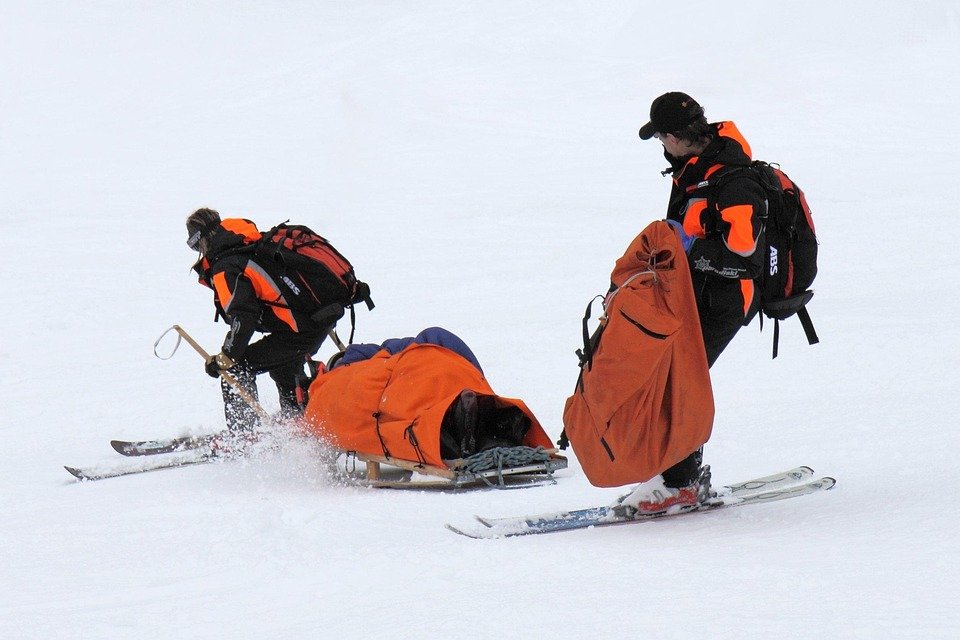
Introduction to First Aid
First aid is the initial assistance given to someone who is injured or suddenly ill. Knowing how to effectively respond to common injuries can help prevent complications and promote recovery. This article outlines essential first aid practices for recognizing and responding to common injuries safely.
Common Injuries and Their Recognition
Understanding common injuries is important for effective first aid. Here are a few types:
- Cuts and Scrapes: Open wounds that may bleed and are often caused by sharp objects.
- Burns: Damage to the skin due to heat, chemicals, or electricity, classified into first, second, and third-degree burns.
- Sprains: Injuries to ligaments caused by overstretching or tearing during physical activities.
- Fractures: Breaks in the bone caused by trauma, often resulting in swelling, pain, and deformity.
- Head Injuries: Any injury to the scalp, skull, or brain often related to falls or accidents, and can vary in severity.
Responding to Common Injuries Safely
Responding appropriately can make a significant difference in the outcome of an injury. Here are general steps for responding to common injuries:
1. Cuts and Scrapes
- Clean your hands thoroughly.
- Rinse the wound gently under clean water.
- Apply a clean bandage or dressing to protect the area.
2. Burns
- Immediately cool the burn under running cold water for at least 10 minutes.
- Cover the burn with a clean, non-stick dressing to avoid infection.
3. Sprains
- Rest the injured area and avoid putting weight on it.
- Ice the area wrapped in a cloth to reduce swelling.
- Elevate the limb to help decrease swelling.
4. Fractures
- Do not attempt to move the person unless necessary for safety.
- Immobilize the affected area using a splint or by securing it against another limb.
- Seek professional help as soon as possible.
5. Head Injuries
- Assess the person’s consciousness and responsiveness.
- Apply a cold pack to reduce swelling if there is a bruise.
- Monitor for symptoms such as confusion or severe headache.
General Safety Tips
Here are some important first aid safety tips:
- Always keep a first aid kit readily available and well-stocked.
- Know basic first aid and CPR guidelines; consider taking a course.
- Stay calm and reassure the injured person while you provide assistance.
- Call for emergency help if the injury is severe or worsening.
Conclusion
Recognizing and responding to common injuries quickly and effectively can make a significant difference. Although first aid does not substitute for professional medical care, it is a vital skill that can help stabilize a situation while awaiting further assistance.






