






















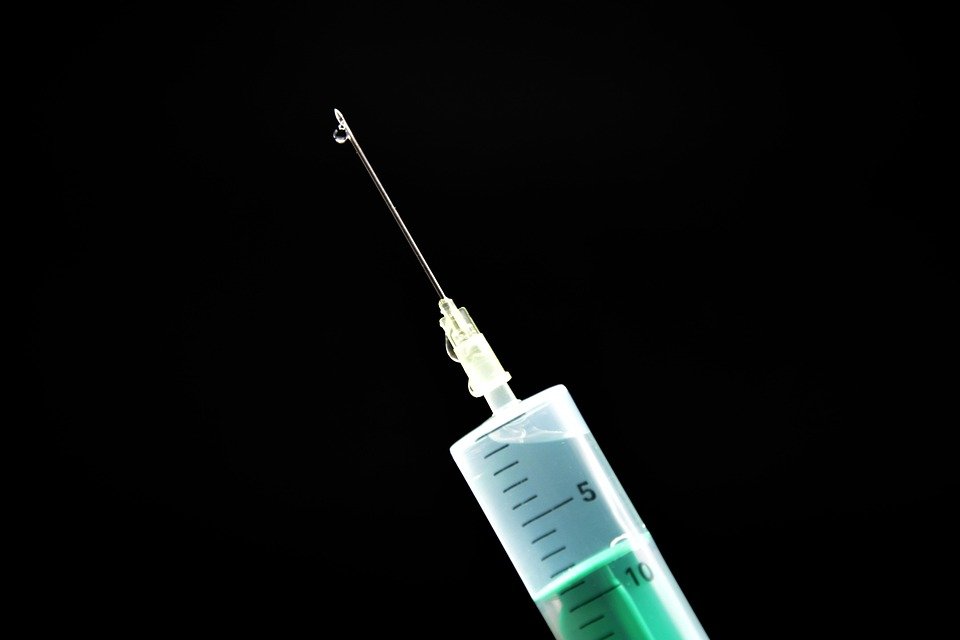
Understanding Vaccination
Vaccination is a vital public health tool that helps protect individuals and communities from infectious diseases. The process of vaccination stimulates the immune system to develop a defense without causing the disease itself. This article explores the mechanisms of how vaccination leads to immunity.
The Immune System Overview
The immune system is the body’s defense network against harmful pathogens, such as bacteria and viruses. It consists of various cells, tissues, and organs that work together to identify and neutralize foreign invaders. The main components of the immune system include:
- B cells: A type of white blood cell that produces antibodies specific to pathogens.
- T cells: Another type of white blood cell that helps coordinate the immune response and can kill infected cells.
- Antibodies: Proteins that specifically target and neutralize pathogens.
- Memory cells: Long-lived cells that remember past infections and respond more rapidly upon re-exposure.
How Vaccines Work
Vaccines contain antigens, which are components that mimic a pathogen, stimulating the immune system to respond without causing disease. The types of vaccines include:
- Inactivated vaccines: Made from killed pathogens that cannot cause disease.
- Live attenuated vaccines: Contain weakened forms of the pathogen that prompt a strong immune response.
- Subunit, recombinant, or conjugate vaccines: Contain pieces of the pathogen, such as proteins or sugars, to elicit an immune response.
- mRNA vaccines: Use messenger RNA to instruct cells to produce a harmless piece of the pathogen, prompting an immune response.
Stages of Immunity Development
When a vaccine is administered, the following stages occur:
- Initial Exposure: The immune system recognizes the antigens and mounts a response.
- Activation of Immune Cells: B cells produce antibodies, while T cells destroy infected cells and help coordinate the response.
- Formation of Memory Cells: Some immune cells develop into memory cells that persist long after the initial exposure.
Long-Term Protection
Once the immune system has been exposed to the vaccine, it is better prepared to respond if it encounters the actual pathogen in the future. This immunity can last for years or even a lifetime, depending on the disease and the individual’s immune response. Booster shots may be recommended for certain vaccines to enhance or prolong this immunity.
The Importance of Vaccination
Vaccination not only protects the individual receiving the vaccine but also contributes to community immunity, also known as herd immunity. This is achieved when a significant portion of the population is immune, making it less likely for the pathogen to spread. This is especially important for protecting individuals who are unable to receive vaccines due to medical conditions.
Conclusion
Vaccination plays a crucial role in public health by preventing the spread of infectious diseases. Understanding how vaccines work helps individuals appreciate their importance and encourages participation in vaccination programs. An informed population is an empowered one, capable of contributing to a healthier community.






