






















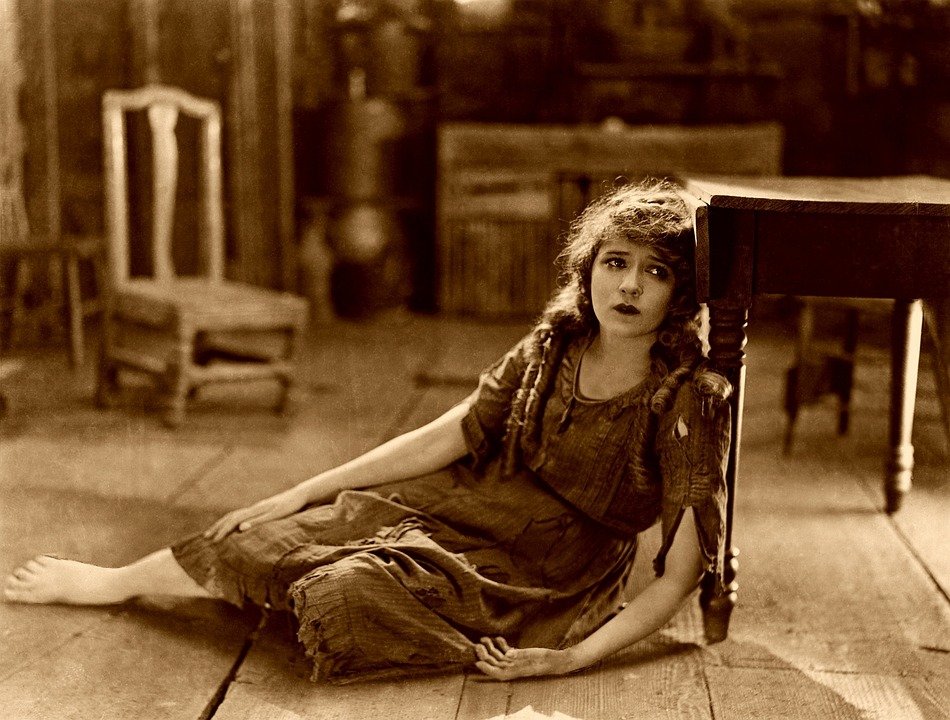
Introduction to Silent Film
The silent film era, which spanned from the late 1890s to the late 1920s, was a transformative period that laid the groundwork for modern storytelling in cinema. Although silent films lacked synchronized sound, they were rich in visual storytelling, relying heavily on actors’ expressions and innovative cinematic techniques. Here, we explore key figures who shaped the narrative and technical landscape of this formative period.
Key Pioneers
-
Georges Méliès
A magician turned filmmaker, Georges Méliès is often credited with introducing narrative structure to film. His most famous work, “A Trip to the Moon” (1902), showcased innovative special effects and creativity, demonstrating that films could be more than just recorded reality.
-
D.W. Griffith
Considered one of the most influential figures in cinema, D.W. Griffith introduced techniques such as cross-cutting, close-ups, and large-scale production values. His film “The Birth of a Nation” (1915) was groundbreaking in its use of narrative techniques but remains controversial for its subject matter. Nonetheless, Griffith’s contributions to film language are undeniable.
-
Charlie Chaplin
Charlie Chaplin, the beloved Tramp character, is synonymous with silent comedy. His films, including “The Kid” (1921) and “City Lights” (1931), combine humor with poignant social commentary, demonstrating the emotional depth that silent cinema could explore.
-
Buster Keaton
Buster Keaton, known for his deadpan expression, was a master of visual gags and stunt work. His films, such as “The General” (1926), showcased his innovative approach to physical comedy, effective storytelling, and visual coherence, often achieving what seemed impossible on screen.
-
Fritz Lang
As a pioneer of German Expressionism, Fritz Lang created atmospheric films that explored complex themes. “Metropolis” (1927) is a hallmark of early science fiction, employing groundbreaking special effects and set designs that influenced numerous filmmakers in later genres.
Innovative Techniques
The silent film era saw the development of various cinematic techniques that are still in use today. Following are some key innovations:
- Editing Techniques: Pioneered by directors like Griffith, techniques such as parallel editing and flashbacks were utilized to enhance narrative complexity.
- Visual Storytelling: Filmmakers relied heavily on visual cues, gestures, and title cards to convey dialogue and emotion, which cultivated a unique storytelling language.
- Expressive Acting: Actors honed their craft to convey emotions without spoken words, leading to a rich tradition of performance that influenced future generations.
Conclusion
The pioneers of silent film not only crafted a new medium for storytelling but also laid the foundations for filmmaking as we know it today. Their approaches and innovations have continued to resonate, inspiring countless filmmakers and storytellers in the art of cinema. As we continue to explore the evolution of film, we can appreciate the monumental impact of these early pioneers, who created a lasting legacy in visual storytelling.






