






















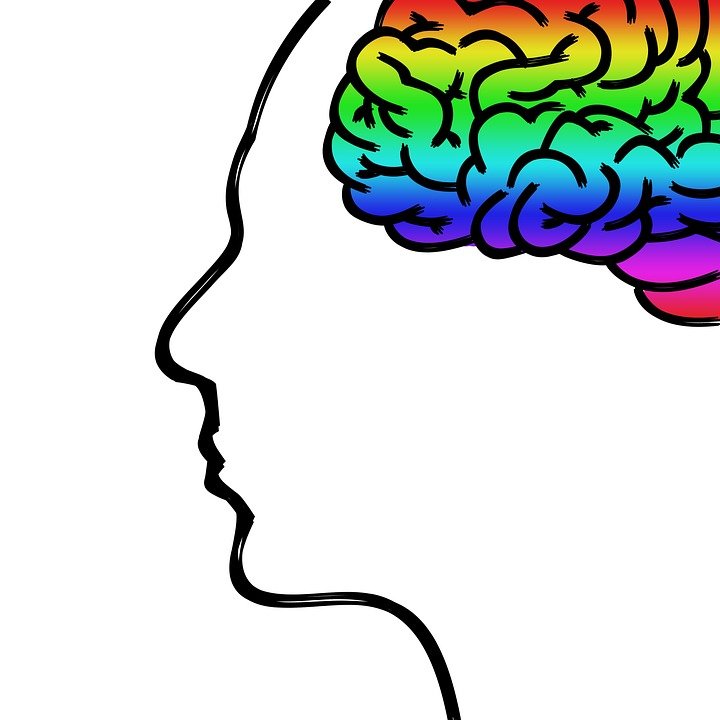
Understanding Information Processing in the Brain
The brain is a complex organ responsible for processing information and guiding behavior. This process is fundamental to human experience, enabling us to interact with the world around us. Understanding the steps involved in information processing can provide insight into how perception translates into action.
Steps of Information Processing
Information processing in the brain can be divided into several distinct stages. These stages occur in a sequence that helps transform sensory input into meaningful responses.
-
1. Sensory Input
Information begins with sensory input, where external stimuli—such as sights, sounds, and smells—are detected by the sensory organs. The eyes, ears, and skin, among others, collect this information and send it to the brain for processing.
-
2. Perception
Once the sensory information reaches the brain, it is processed and interpreted through perception. This involves the brain organizing and interpreting the incoming data, allowing individuals to make sense of the stimuli based on past experiences and knowledge.
-
3. Attention
Attention plays a crucial role in information processing. It helps filter out unnecessary information and focuses on what is relevant. This selective attention ensures that important stimuli receive proper consideration for further action.
-
4. Decision Making
Once information is perceived and filtered, the brain engages in decision-making. This step involves evaluating options and determining an appropriate response based on the perceived information. Various factors, including emotions and social context, may influence this process.
-
5. Action
The final step is action, where the brain sends signals to the muscles or glands to execute a response. This can range from simple reactions, like moving away from danger, to more complex behaviors, such as planning for future events.
The Role of Feedback
Feedback is an essential part of the information processing cycle. After an action is taken, the outcomes are perceived and processed by the brain, which helps improve future responses. This continuous feedback loop enhances learning and adaptation.
Conclusion
Understanding the steps of information processing in the brain highlights the intricate connection between perception and action. By appreciating how our brains interpret and respond to information, we can better comprehend human behavior and the importance of cognitive functioning in daily life.






