






















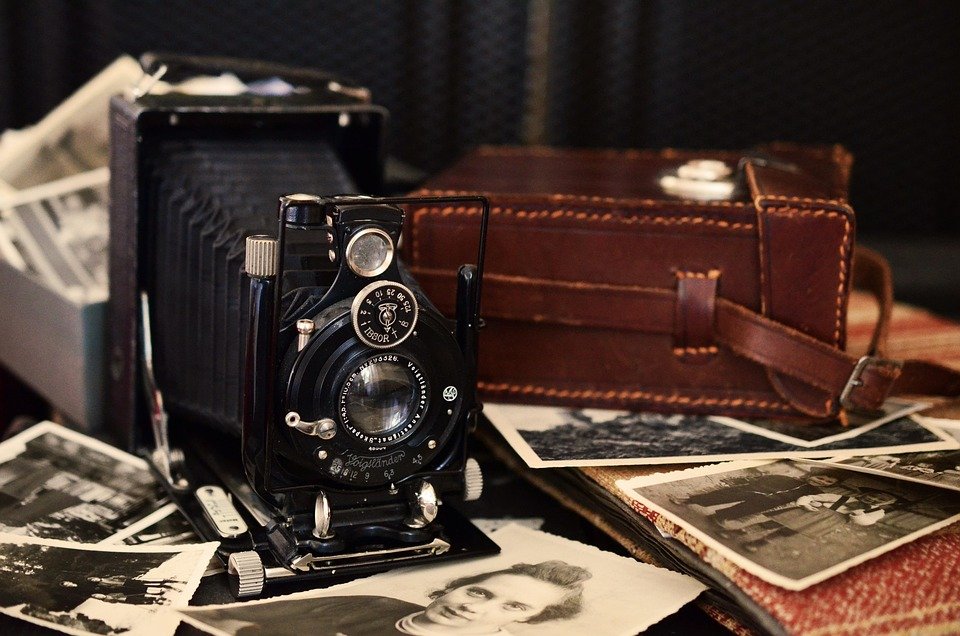
Introduction to Film Cameras and Their Evolution
Film cameras have played a pivotal role in the development of cinema, capturing moments that have resonated with audiences for over a century. The journey of film cameras reflects the broader narrative of technological advancements in filmmaking. From early innovations in the 19th century to the sophisticated cameras used today, the evolution of film photography is a testament to human ingenuity and creativity.
The Birth of the Motion Picture Camera
The origins of the motion picture camera can be traced back to the late 19th century. Pioneers like Thomas Edison and the Lumière brothers made significant contributions with their inventions. Edison’s Kinetoscope and the Lumière brothers’ Cinematographe allowed for the first series of moving images, using celluloid film as a medium. This innovative technology created a new form of entertainment, setting the groundwork for the film industry.
The Silent Era and Early Innovations
- Vitaphone System: Introduced in the 1920s, this early sound-on-disc system enhanced the film experience, merging audio with visuals.
- Studio Cameras: During the silent era, filmmakers utilized large, heavy cameras that required careful handling and significant manpower.
- Film Stock Development: The introduction of faster film stocks enabled filmmakers to capture clearer images in lower light, leading to the development of genres such as film noir.
The Introduction of Color and Enhanced Formats
The transition to color in film began in earnest with the Technicolor process introduced in the 1930s. This innovation changed the visual storytelling landscape by allowing filmmakers to explore new artistic possibilities. Iconic films such as “The Wizard of Oz” (1939) showcased the emotional depth that color could bring to a narrative.
The Rise of 16mm and Documentary Filmmaking
The introduction of 16mm cameras in the 1920s and their later developments opened doors for independent filmmakers and documentarians. Notable works like Robert Flaherty’s “Nanook of the North” (1922) utilized 16mm equipment, allowing for a more intimate, realistic portrayal of life beyond scripted cinema.
Technological Advancements in the Late 20th Century
- Auto-Exposure Systems: The 1960s and 1970s saw the introduction of cameras equipped with auto-exposure features, allowing filmmakers greater flexibility and efficiency in various lighting conditions.
- Compact Formats: Advances in miniaturization led to the development of compact cameras, which became essential tools for filmmakers in countries with burgeoning cinema industries.
- Handheld Cameras: The advent of lightweight handheld cameras gave rise to a new style of filmmaking, contributing to the birth of movement-centric genres, such as cinéma vérité.
The Digital Revolution
The late 20th and early 21st centuries ushered in the digital revolution, significantly impacting film cameras. The transition from film to digital not only changed the way films were shot but also how they were edited and distributed. Filmmakers like David Fincher and Christopher Nolan have explored new cinematic techniques made possible by digital technology while also advocating for the continued use of film.
Conclusion
As film cameras evolved over the years, they reflect the technological advancements that have shaped the art of storytelling. From the mechanical marvels of the silent era to the digital systems of today, the journey of film cameras is intertwined with the broader history of cinema itself. Each development in technology has opened new avenues for creative expression, allowing filmmakers to push the boundaries of imagination.






