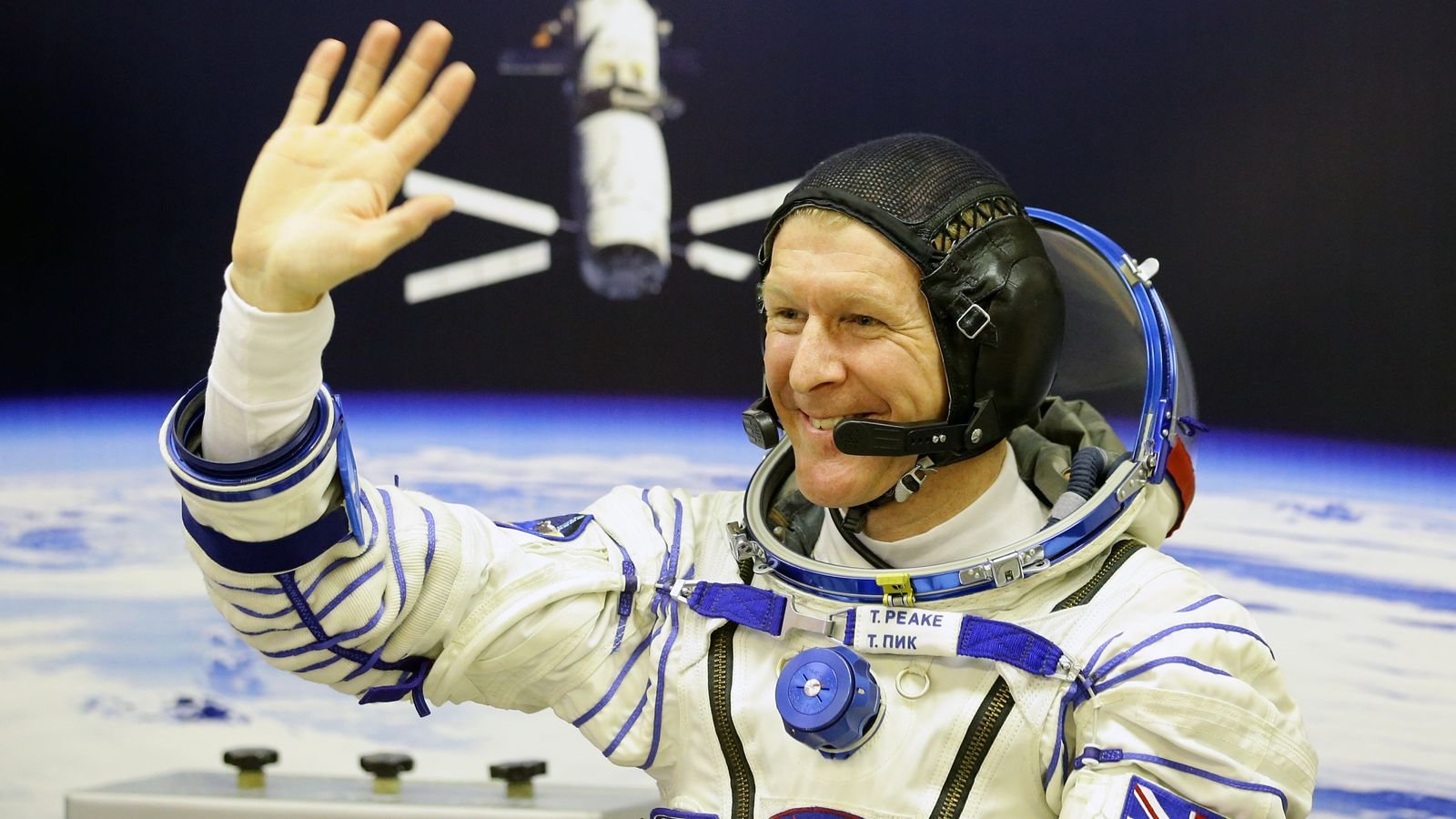
British Astronaut Calls for Collaboration in Lunar Exploration
Tim Peake, the UK’s first official astronaut, has called on both the United States and China to shift their focus from competition towards cooperative efforts in upcoming lunar missions. Speaking in an interview commemorating the 10th anniversary of his launch to the International Space Station (ISS), Peake emphasised the importance of collaboration in space exploration.
Warnings Against a New Space Race
During the interview with Sky News, Peake highlighted the potential dangers of reigniting tensions reminiscent of the original space race without adequate safety measures. He stressed that it would be unwise to embark on further lunar exploration lacking contingency plans for international collaboration in emergencies, particularly rescue protocols for astronauts.
“Space is an incredibly challenging and hostile environment,” Peake remarked. “The establishment of common docking systems is essential so we can assist each other in times of trouble. The essence of exploration lies in our ability to unite as one species, despite our varied backgrounds.”
A Shift in US Space Policy
Peake’s comments come as Sean Duffy, acting head of NASA, stated the agency’s intention to establish a lasting presence on the moon ahead of China. In a recent NASA video, Duffy declared, “We’re going back to the moon – and this time when we plant our flag, we stay.” He also underscored the mission’s aim to preserve American leadership in space exploration.
Lessons from the International Space Station
Peake also referenced the collaborative successes witnessed aboard the ISS, where astronauts from various nations, including Russia and Western countries, have worked together for 25 years, despite existing geopolitical tensions. He insisted that this spirit of cooperation should similarly guide upcoming lunar missions.
In the coming weeks, NASA plans to send four astronauts on a mission that will orbit the moon for the first time since the last Apollo mission in 1972. This mission will utilize NASA’s new Space Launch System (SLS) rocket, which is intended to be the backbone of the Artemis programme.
Concerns and Preparations for Upcoming Missions
While acknowledging the optimism surrounding the SLS rocket’s upcoming missions, Peake recognised the inherent risks, particularly following a test flight in 2022 that exposed significant issues with the crew capsule. However, Peake expressed confidence in the commitment of the astronauts and the efforts of engineers to mitigate risks.
Future Prospects for European Astronauts
In related developments, the European Space Agency announced that a yet-to-be-named German astronaut will be the first European to participate in an Artemis mission. Peake, who retired from the European Space Agency in 2023, expressed optimism for the UK’s future involvement. He noted that Rosemary Coogan from Northern Ireland is among the trained astronaut corps of the agency, saying, “It would be great to see that first European on the moon, but I’d love to see a Union flag on the surface in the not-too-distant future.”
Background
Peake’s remarks underscore an evolving narrative in space exploration, with nations increasingly eyeing the lunar surface as a new frontier for scientific achievement and geopolitical influence. As nations plan their next steps beyond Earth, the call for unity in exploration is more crucial than ever.
Source: Original Article