






















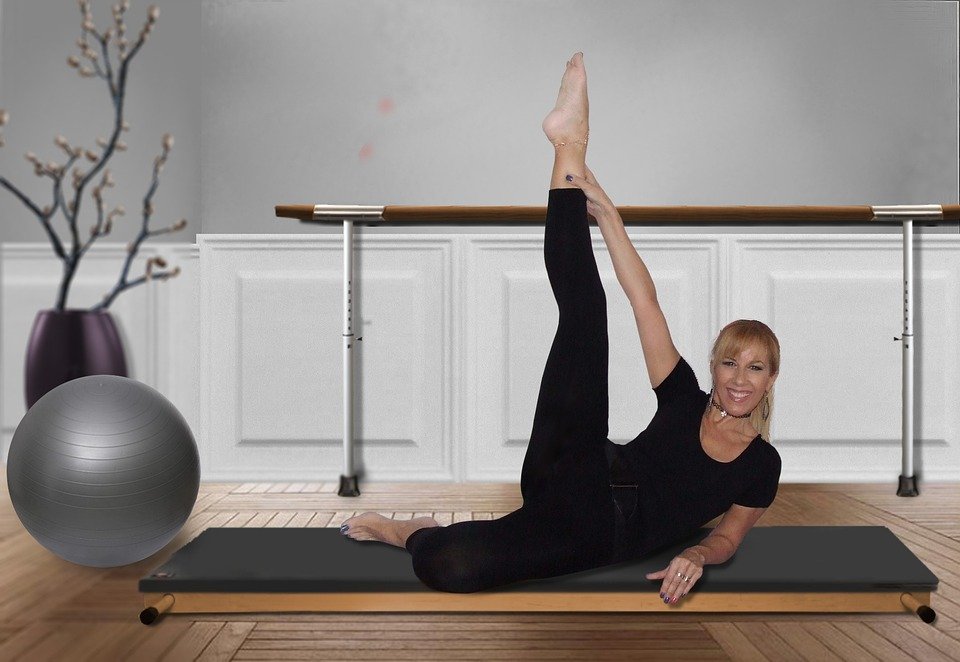
As people age, maintaining physical health becomes increasingly important. Regular movement and exercise play a vital role in promoting overall wellness, particularly for older adults. Engaging in physical activity can enhance quality of life and foster independence. This article discusses the multiple benefits of regular exercise as people grow older.
Benefits of Regular Exercise
Exercise offers a variety of benefits that can significantly influence the aging process. These benefits can be categorized into physical, mental, and emotional aspects:
- Physical Health: Regular exercise strengthens muscles and bones, improves cardiovascular health, and enhances flexibility and balance. This can reduce the risk of falls and injuries, which are common in older adults.
- Weight Management: Staying active helps in maintaining a healthy weight. This is important as metabolism can slow down with age, making weight gain more likely.
- Joint Health: Movement helps maintain joint function and can relieve stiffness. Regular, low-impact activities such as walking or swimming can be particularly beneficial.
Mental and Emotional Well-Being
Physical activity does not only affect the body; it also has a profound impact on mental and emotional health:
- Reduced Anxiety and Depression: Regular exercise has been linked to lower levels of anxiety and depression. Physical activity releases endorphins, which are chemicals in the brain that act as natural mood lifters.
- Improved Cognitive Function: Engaging in regular physical activity can help maintain cognitive function and may reduce the risk of cognitive decline, which is of particular concern as people age.
- Social Interaction: Exercise can also provide opportunities for socialization, whether it’s participating in group classes, walking with friends, or joining community sports. These interactions can enhance feelings of belonging and support mental health.
Adopting a Sustainable Exercise Routine
To reap the benefits of movement, it is essential to adopt a sustainable exercise routine. Here are a few tips:
- Choose Enjoyable Activities: Picking activities that are enjoyable increases the likelihood of sticking with them. Whether it’s dancing, gardening, or swimming, the key is to find what you love.
- Set Realistic Goals: Setting achievable goals helps to create a sense of accomplishment. Start with small, measurable targets and gradually increase the intensity or duration.
- Listen to Your Body: It’s important to pay attention to how your body responds to activity. If something doesn’t feel right, consider modifying the exercise or consulting a professional.
Conclusion
In summary, regular movement is a cornerstone of healthy aging. By incorporating physical activity into daily routines, individuals can enhance their physical health, boost mental well-being, and improve overall quality of life. Embracing movement as a lifelong practice fosters resilience, independence, and a greater sense of vitality in the aging process.






