US Military Strikes Target Drug Traffickers in the Pacific
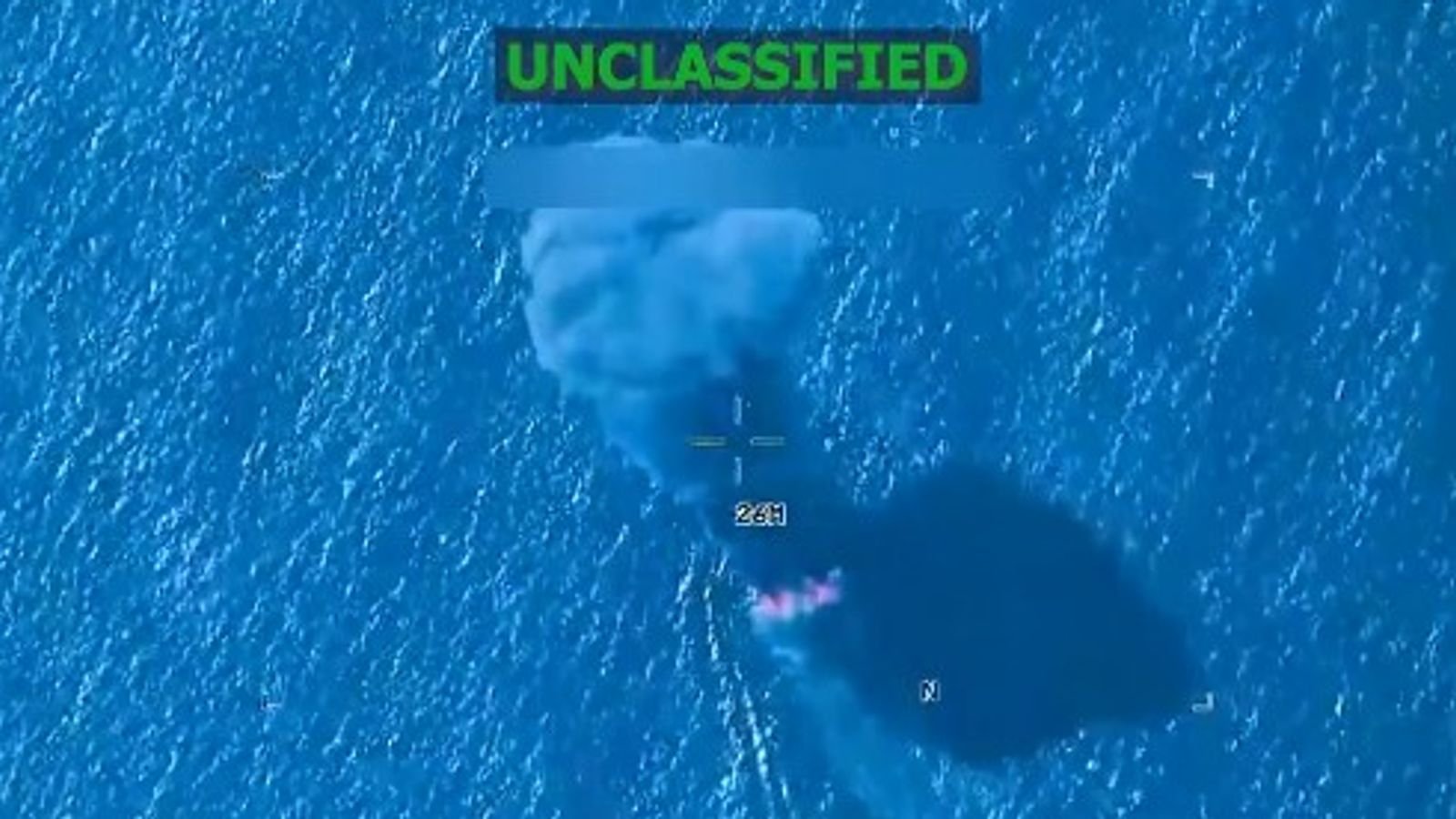
In a series of military operations, eight individuals have been reported dead following US airstrikes on three boats alleged to be engaged in drug smuggling in the Pacific Ocean. The US Southern Command described those killed as “narco-terrorists” affiliated with designated terrorist organisations, but has yet to produce evidence linking the vessels to drug trafficking activities.
Details of the Strikes
The targeted strikes were ordered by Defence Secretary Pete Hegseth, with the Southern Command asserting that intelligence had indicated these boats were utilising known drug trafficking routes.
- Three individuals were killed on the first boat.
- Two individuals were reported dead on the second boat.
- Three casualties were confirmed on the third boat.
A video showcasing the strikes was subsequently shared on social media platforms, although no concrete evidence has been provided to substantiate the claims of drug trafficking.
Context of US Military Operations
This latest operation marks a continuation of the US administration’s aggressive stance against drug cartels, particularly during Donald Trump‘s presidency. Previously, US military forces have engaged in similar actions in the Caribbean, including operations near Venezuela.
Over recent months, the US has escalated its military presence in the southern Caribbean region, ostensibly to combat drug trafficking. Since early September, the administration has conducted multiple strikes, which have collectively resulted in significant casualties, including 87 confirmed deaths from attacks on 23 vessels in a span of four months.
Last week, US forces also seized a crude oil tanker named Skipper off Venezuela’s coast, an act that has been condemned by the Venezuelan government as “an act of international piracy.”
Implications of Military Actions
On the eve of Congress briefing sessions, which will involve high-level discussions on these military actions, Trump signed a controversial executive order designating fentanyl as a “weapon of mass destruction.” This directive is intended to empower authorities to pursue financial sanctions against entities involved in fentanyl trafficking.
As the US continues to exert pressure on drug trafficking networks, scrutiny regarding the implications of these military operations mounts, both domestically and internationally, leaving many to question the broader goals of the ongoing campaign.
Background
The current military operations are part of a broader strategy by the Trump administration to curb drug-related violence and trafficking, particularly from regions viewed as hubs for such activities. However, critics argue that the lack of evidence linking specific boats to trafficking raises concerns about the justification of these strikes.
As tensions develop, the international community watches closely, particularly regarding the potential impact on US-Venezuela relations and the overarching fight against drug cartels in the region.
Source: Original Article