






















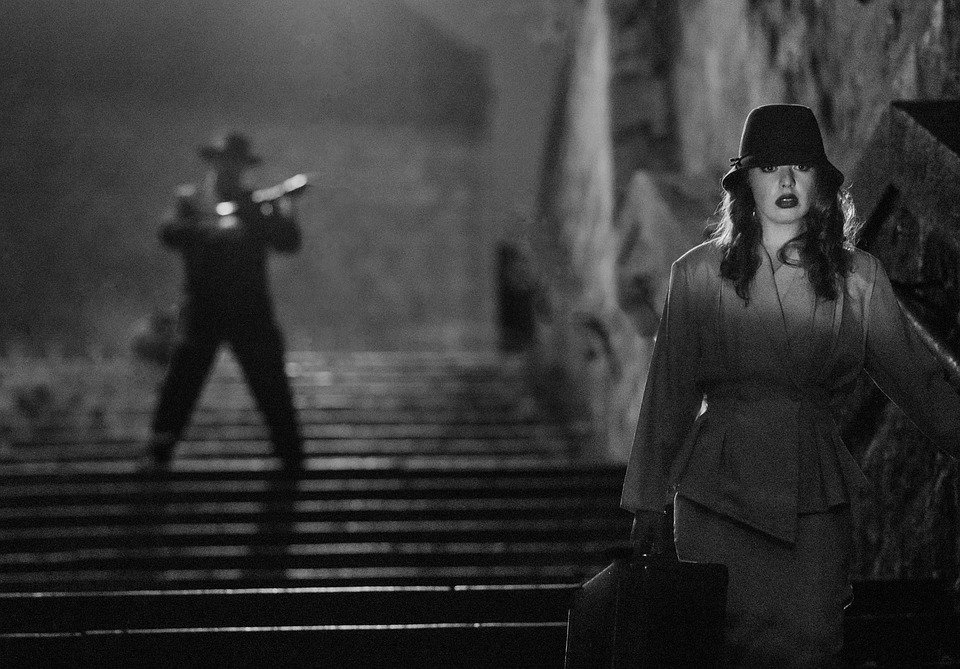
The Femme Fatale: Analyzing Female Archetypes in Film Noir
The film noir genre, characterized by its moody visuals and complex narratives, emerged in the early 1940s and gained momentum through the 1950s. Central to many of these films is the archetype of the femme fatale—a captivating woman who utilizes her allure and cunning to achieve her goals, often at the expense of the male protagonist.
Defining the Femme Fatale
The femme fatale epitomizes the duality of desire and danger. She operates within a morally ambiguous landscape, frequently leading men into perilous situations. This archetype serves as both an object of desire and a catalyst for downfall, making her a multi-dimensional character that reflects societal attitudes towards women during the mid-20th century.
Historical Context and Influence
- World War II and Gender Roles: The femme fatale emerged as a response to shifting gender dynamics during and after World War II. With women taking on more diverse roles in society, the femme fatale represents a complex confrontation with traditional norms.
- Film Noir Aesthetics: Characterized by dark cinematography and sharp contrasts, noir films visually symbolize the femme fatale’s deceptive nature. The interplay of shadow and light highlights her duality, creating a sense of unease and allure.
Iconic Examples
- Phyllis Dietrichson in “Double Indemnity” (1944): Portrayed by Barbara Stanwyck, Phyllis is the archetype of the manipulative woman whose charm leads her lover into a web of deceit and murder.
- Brigid O’Shaughnessy in “The Maltese Falcon” (1941): Played by Mary Astor, Brigid is enigmatic and treacherous, embodying the femme fatale’s complexity as she pulls the protagonist into her dangerous schemes.
- Catwomen in “Gilda” (1946): Rita Hayworth’s iconic performance as Gilda accentuates the allure and destructiveness of the femme fatale, as her character’s love and betrayal complicate male relationships in the narrative.
Impact on Popular Culture
The femme fatale has had a lasting influence on various film genres beyond noir, appearing in thrillers, psychological dramas, and even contemporary cinema. This archetype continues to resonate, as seen in modern portrayals where female characters challenge traditional gender roles and assert their agency.
Conclusion
The femme fatale remains one of the most enduring and captivating figures in cinematic history. Through her complexity and ambiguity, she not only highlights the societal tensions of her time but also continues to inspire filmmakers and audiences alike, maintaining her status as a study of female power and vulnerability in the narrative landscape of film.






