






















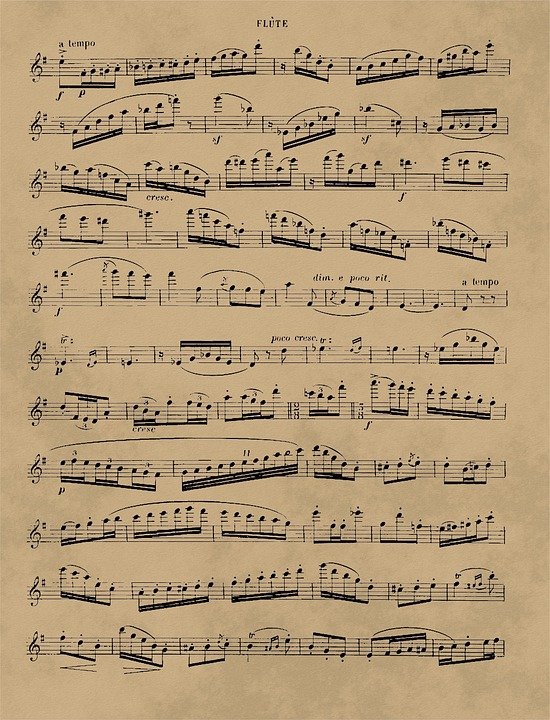
The Intersection of Classical Music and Silent Film
As the 20th century dawned, cinema began to emerge as an art form capable of capturing the imagination of audiences worldwide. Amidst this new landscape, classical music played an integral role in shaping the emotional and narrative experience of silent films. The marriage of moving images and symphonic sounds created a unique atmospheric context that allowed filmmakers to convey complex themes and emotions, thereby establishing a foundation for what would become the cinematic experience we know today.
Origins of the Silent Film Era
The silent film era, spanning from the late 1890s to the late 1920s, was characterized by a lack of synchronized sound. However, this absence of sound did not equate to a lack of auditory experience. Theaters typically featured live musicians who performed accompanying scores, many of which were drawn from the classical repertoire. Composer Carl Davis noted that “the silent films relied heavily on music to provide context and subtext to what the audience was seeing on screen.”
Influence of Classical Composers
Several renowned classical composers significantly influenced the styles and techniques used in silent film scores. Notable figures included:
- Johann Sebastian Bach: His compositions were often adapted for film, providing a sense of grandeur and emotional depth.
- Ludwig van Beethoven: The dramatic tension of Beethoven’s symphonies lent an epic quality to key cinematic moments.
- Richard Wagner: Known for his operas, Wagner’s thematic concepts influenced film scores, especially through his use of leitmotifs.
The Role of Conductors and Arrangers
Conductors and musical arrangers played a pivotal role in the synthesis of classical music and cinema. Figures like Erno Rapee and Victor Herbert created extensive compilation scores for silent films, often mixing classical motifs with original compositions. Their work made it easier for theater musicians to enhance the cinematic experience, providing an emotional soundtrack to the stories unfolding onscreen.
Iconic Collaborations and Innovations
Some early filmmakers recognized the value of collaboration with composers to create more cohesive artistic expressions. Directors like D.W. Griffith began integrating specific musical selections to complement their films’ narratives. For instance, Griffith’s epic “Intolerance” (1916) utilized a lush orchestral score that effectively mirrored the film’s historical breadth and emotional stakes.
The Emergence of Original Film Scores
As silent cinema evolved, so did the complexity of its musical score. Original compositions started to emerge, departing from earlier models of classical adaptations. This shift is exemplified in films like “The Phantom of the Opera” (1925), for which organist and composer Carl Davis created evocative scores that brought a new dimension to the fleeting images on screen.
The Transition to Sound Film
The arrival of sound in cinema in the late 1920s marked significant advancements and changes for movie scores. The first synchronized sound feature, “The Jazz Singer” (1927), introduced vocal performances, yet it also showcased the necessity of musical accompaniment in film. Classical music, having paved the way during the silent era, continued to find its place within the new sound film paradigm while evolving alongside it.
Legacy and Impact
The influence of classical music in early cinema established a rich tradition that laid the groundwork for the future of film scoring. Many elements of orchestration, thematic development, and emotional engagement that classical composers introduced remain pivotal in contemporary film music. This interplay between visual storytelling and classical soundtracks not only enriched the silent film experience but also established a lasting legacy that continues to inspire filmmakers and composers today.
Ultimately, the collaboration between cinema and classical music transformed the film landscape, elevating silent films from mere visual spectacles to profound artistic statements that tapped into the deep emotional currents of the human experience.






