






















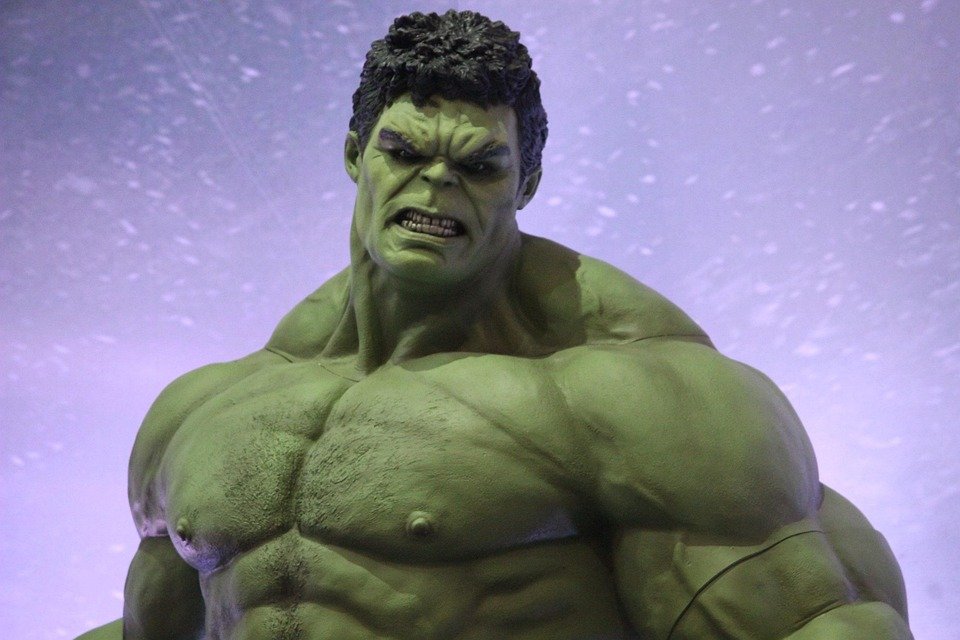
The Marvel Cinematic Universe (MCU) represents a significant shift in the landscape of modern cinema, particularly in how franchises are conceived, developed, and executed. Launched with “Iron Man” in 2008, the MCU has not only redefined superhero films but has also set the benchmark for franchise filmmaking globally.
The Genesis of Franchise Filmmaking
Franchise filmmaking is not a novel concept; it has roots that extend back decades. The success of series such as “Star Wars,” “Harry Potter,” and the “James Bond” films has established templates for interconnected narratives. However, the MCU took this idea to unprecedented levels by interlinking multiple storylines, characters, and films into a cohesive universe, thereby creating a shared world that invites viewers to engage more deeply.
The Role of Directors and Actors
The MCU manifests a unique collaboration between directors and actors, many of whom have become synonymous with their roles. Directors such as Jon Favreau, Joss Whedon, and Ryan Coogler have each brought their distinct styles and visions, thus enriching the fabric of the MCU. This collaborative spirit fosters creativity while maintaining the essential continuity that defines the franchise.
Narrative Innovation and Cinematic Techniques
One of the standout features of the MCU is its narrative structure, characterized by the use of interconnected storytelling. The films are designed not merely as standalone stories but as parts of a larger narrative. This strategy has roots in classical literature and epic storytelling but is executed with modern cinematic techniques, such as:
- Character Development: Long arcs allow for in-depth character exploration, with heroes and villains evolving over time.
- Episodic Framing: Each film functions like an episode in a broader series, reminiscent of television’s storytelling methods.
- Visual Effects: The groundbreaking use of CGI and special effects sets a new technical standard, aligning it with the works of innovators like George Lucas and James Cameron.
Impact on Cinema and Popular Culture
The MCU’s influence extends beyond box office numbers. It has created a cultural phenomenon that engages audiences in ways resembling social media interactions, where fan theories and discussions play crucial roles in the viewing experience. The franchise’s emphasis on diversity and representation, particularly with films like “Black Panther” and “Captain Marvel,” has also contributed significantly to the ongoing dialogue surrounding inclusion in Hollywood.
The Future of Franchise Filmmaking
While the MCU continues to evolve, its impact on the industry is evident. Other studios have begun to replicate its model, attempting to create their own interconnected universes. However, the challenges of sustaining narrative engagement over multiple films are considerable, indicating that the MCU’s pioneering spirit will continue to shape franchise filmmaking for years to come.
In conclusion, the Marvel Cinematic Universe has revolutionized the film industry, combining the timeless appeal of interconnected storytelling with modern cinematic techniques. Its legacy is not just in the films it has produced but in the new pathways it has forged for storytelling in cinema.






