






















Rising Tensions: China Accuses US of Intimidating Venezuela
China has accused the United States of engaging in intimidation tactics against Venezuela following President Donald Trump’s directive for a comprehensive blockade on sanctioned oil tankers associated with the nation. Amid these escalating tensions, China has pledged support for Venezuela’s sovereignty, prompting strong diplomatic exchanges between Beijing and Caracas.
China’s Response to US Military Presence
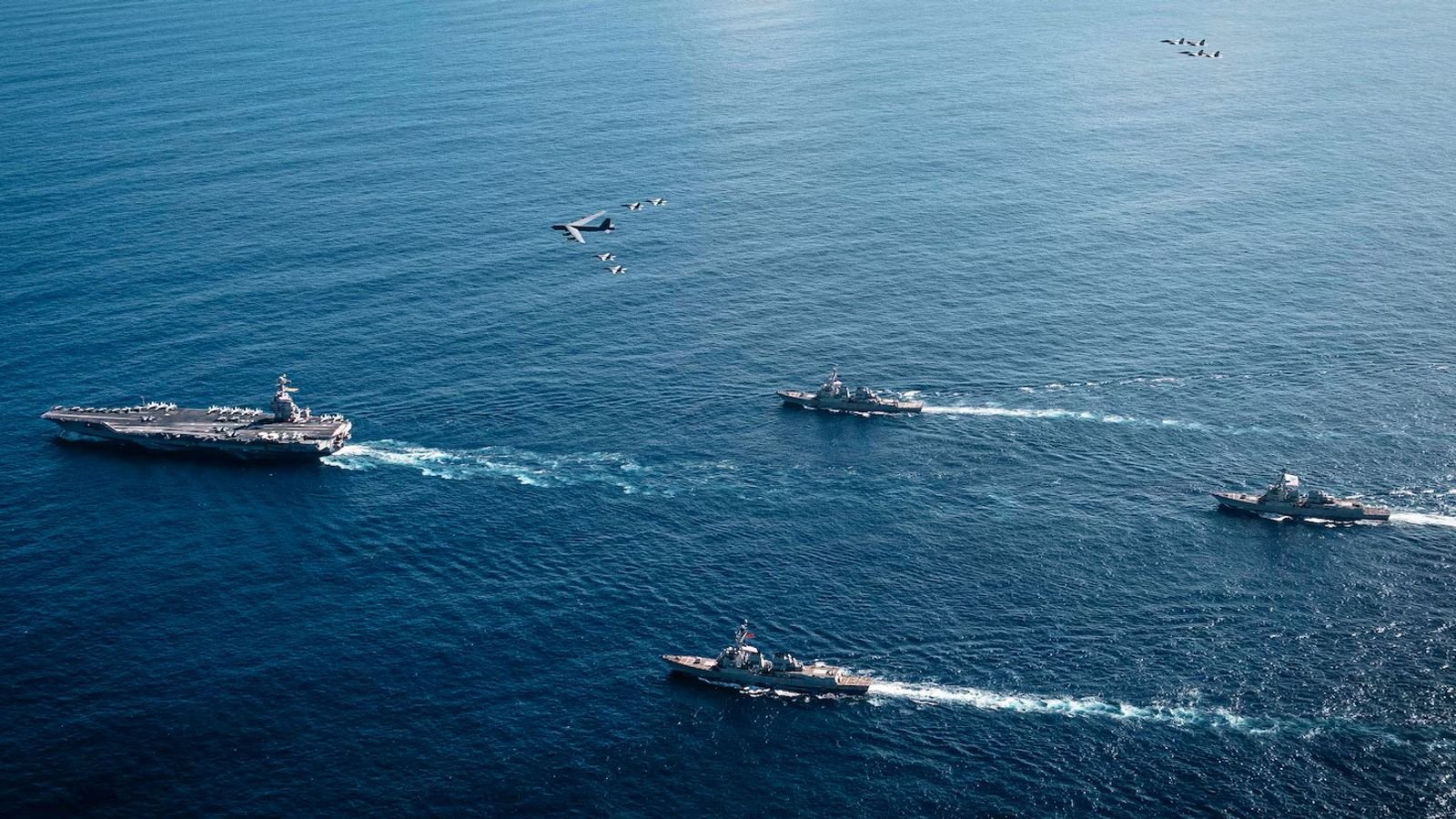
In a recent telephone conversation, Chinese Foreign Minister Wang Yi expressed Beijing’s backing for Venezuela during discussions with Venezuelan Foreign Minister Yvan Gil. Wang described the US military’s operations in the region, which include assets like the USS Gerald R. Ford aircraft carrier, as acts of “unilateral bullying.” He asserted that the global community recognizes and supports Venezuela’s right to defend itself against such actions.
Trump’s Blockade Orders
The escalation originates from President Trump’s announcement on Tuesday, in which he confirmed the implementation of a blockade on oil tankers entering or exiting Venezuela. Trump justified the military’s continued presence, stating that it would remain until Venezuela returns what he claims are US assets that have been seized.
On social media, Trump described the military presence near Venezuela as “the largest armada ever assembled in South America’s history,” adding that the situation would intensify until the country complies with US demands.
US Actions and Allegations
The US has recently seized a Venezuelan oil tanker, marking a significant escalation in tensions surrounding the nation’s extensive oil resources. Trump’s administration has accused Venezuela of using its maritime routes to facilitate drug trafficking into the US, a claim supported by ongoing military operations that have resulted in the deaths of numerous individuals defined by the administration as “narco-terrorists.”
However, reports indicate that the US has not provided evidence to substantiate these claims, raising questions about the legality and justification of its military actions.
Venezuela’s Position
In response to the blockade and military activities, Venezuela’s government has accused Trump of breaching international law and international trade principles. Officials have regarded the US initiatives as a “grave threat” to the nation’s sovereignty.
Future Implications
Trump’s remarks further hint at a potential aim to oust Venezuelan President Nicolás Maduro, who has faced ongoing challenges to his leadership, including widespread allegations of election fraud. The situation complicates an already fragile geopolitical landscape in the region, especially given Venezuela’s status as home to the largest proven oil reserves globally.
As tensions continue to mount, the stakes are rising for both Venezuela and the US, with possible ramifications extending to global oil markets and international diplomatic relations.
Background
The tensions between the US and Venezuela have historical roots, exacerbated by a series of US-led sanctions aimed at crippling the Venezuelan economy since 2017. The US’s aggressive stance has been met with resilient support for the Maduro government from countries like China and Russia, complicating any resolution to the conflict.
The enduring conflict over Venezuela’s oil wealth, accompanied by claims of drug trafficking and human rights violations, underscores the complexity and international implications of the ongoing crisis.
Source: Original Article






