Fragile Ceasefire in Lebanon: Rising Tensions and Continued Violence
Over a year has passed since the ceasefire agreement was reached between Israel and Hezbollah, yet the situation in Lebanon remains precarious. Recent data indicates a surge in Israeli military operations against Lebanese territory, raising concerns over the stability of the truce.
Data on Military Activities
According to the Armed Conflict Location & Event Data Project (ACLED), Israeli forces have conducted 1,846 attacks on Lebanon since the ceasefire was implemented. On average, only two days each month have seen no Israeli incursions, with December witnessing a notable increase in activity—averaging six assaults per day, or one strike every four hours, marking the highest frequency since March.
Israeli Justifications
The Israeli military claims its actions are aimed at targeting Hezbollah’s military installations, citing ongoing violations of the ceasefire terms. This includes accusations of Hezbollah rebuilding its military capability in southern Lebanon, an assertion strongly contested by both Hezbollah and United Nations officials.
UN’s Role and Findings
The United Nations Interim Force in Lebanon (UNIFIL) has reported over 10,000 violations of the ceasefire agreement—an alarming frequency of approximately one violation every 53 minutes. These incidents comprise various activities, including more than 2,500 Israeli Defense Forces (IDF) ground operations and extensive violations of Lebanese airspace, alongside the discovery of numerous arms caches that have sparked heated debates among officials.
While Israel interprets these caches as evidence of Hezbollah’s military resurgence, UNIFIL’s deputy spokesperson has indicated that many were found abandoned and showed no signs of recent usage, countering Israel’s narrative.
The Human Cost of Conflict
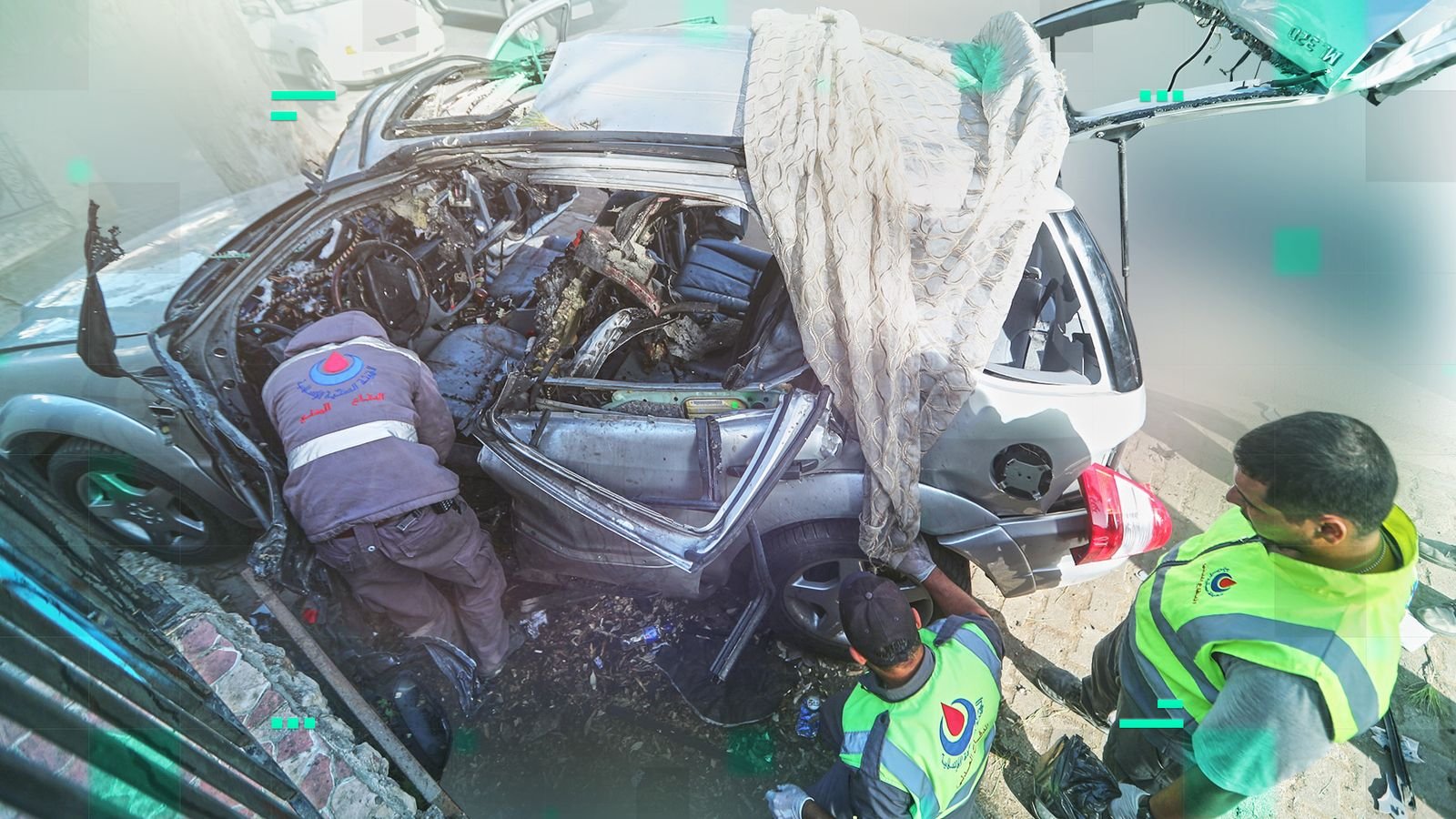
Casualty figures continue to escalate, with the UN reporting at least 127 civilian deaths as a direct consequence of Israeli assaults since the ceasefire came into effect. Tensions are further exacerbated by disagreements surrounding Israel’s obligations under the ceasefire, particularly regarding its military presence in Lebanese territory.
The conflict has left over 64,000 Lebanese individuals displaced, complicating recovery efforts in the region. Images from the town of Aita al Chaab illustrate the widespread devastation—91% of buildings in the central area are reportedly destroyed, a stark reminder of the ongoing humanitarian crisis.
Implications for Regional Stability
The fragility of the ceasefire, characterized by increased military activity, jeopardizes not only Lebanon’s immediate humanitarian situation but also regional stability. Complaints from the Lebanese government regarding Israeli military bases and the border wall’s expansion have heightened tensions, as the construction has been linked to ongoing territorial disputes.
With both sides entrenched in their positions, the prospect of renewed hostilities looms large, posing challenges for international mediation efforts and raising urgent questions about the safety and future of civilians caught in the crossfire.
Background
The ceasefire was established as a response to escalating hostilities between Israel and Hezbollah, aimed at providing a framework for peace. However, the current situation reflects a breakdown in trust and compliance with the agreement, as both sides continue to exchange accusations of violations and aggression.
The ongoing instability in Lebanon has broader implications for the Middle East and beyond, with international observers closely monitoring the developments for signs of a potential escalation or diplomatic resolution.
Source: Original Article