






















China Introduces Tax on Contraceptives Amid Declining Birth Rates
For the first time in over 30 years, China will implement a tax on contraceptive products, including contraceptive pills and condoms, starting January 1. This decision aligns with the government’s ongoing efforts to encourage families to have more children in response to a significant drop in birth rates.
Declining Birth Rates
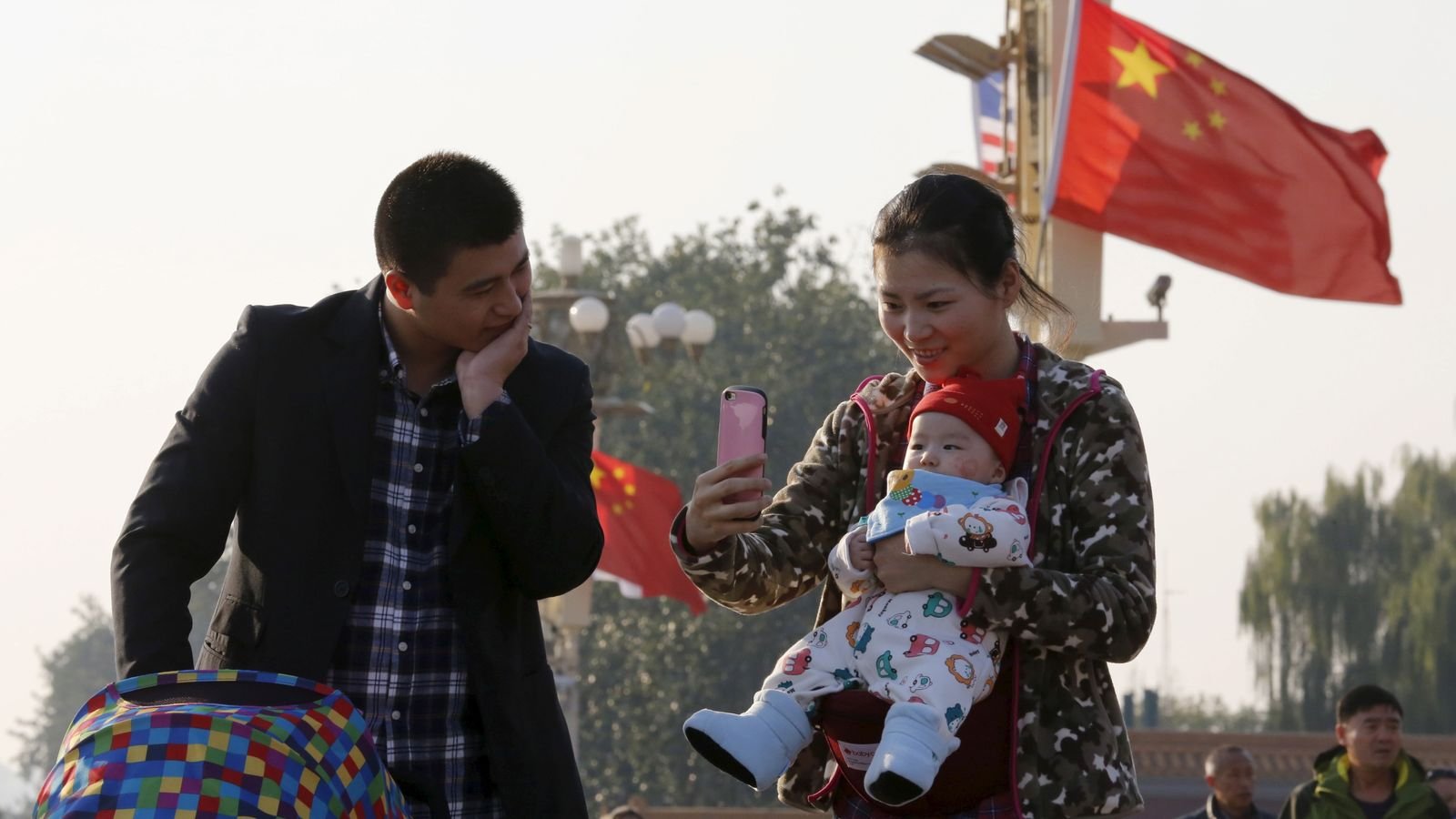
According to the National Bureau of Statistics, the birth rate in China has substantially fallen, with only 9.5 million babies born in 2024—a stark decrease from 14.7 million in 2019. This decline is alarming as the number of deaths now exceeds births, prompting concerns that China has entered a demographic crisis.
Public Reaction
The reaction on social media platforms in China has been largely humorous yet critical, with users pointing out the inherent contradiction in taxing contraception while children are generally more expensive to raise. One mother expressed her discontent with the new tax policy, declaring her resolve to abstain from having more children.
Potential Consequences
Experts have voiced serious concerns about the possible ramifications of this new tax. They warn that increased costs could lead to higher rates of unplanned pregnancies and sexually transmitted infections, potentially resulting in increased abortions and elevated healthcare costs. Qian Cai from the University of Virginia’s Demographics Research Group highlighted the risks that economically disadvantaged populations may face in accessing contraceptives.
While she noted that the tax might minimally influence those who do not wish to have children, the established costs of raising a child far outweigh the proposed tax on contraceptives.
Historical Context
This regulatory change comes after decades during which China’s government instituted strict population control measures. From approximately 1980 to 2015, families were typically limited to one child, enforced through financial penalties and, in some cases, forced abortions. In recent years, these policies have evolved; the birth limit was increased to two children in 2015, and then to three in 2021, as the government sought to counteract the declining birth rate and looming population issues.
The initial move towards encouraging larger families has made contraception more accessible and has sometimes been provided for free, but the introduction of this tax represents a significant shift in that strategy.
Conclusion
Yi Fuxian, a senior scientist at the University of Wisconsin-Madison, believes the tax is a rational step given the changing population narrative. As the government moves from controlling population growth to incentivising larger families, the taxation of contraceptive products reflects a broader strategy of normalising them as everyday commodities.
As these policies unfold, the global implications of China’s shifting demographics will likely resonate beyond its borders, influencing discourse on population management and family planning worldwide.
Background
The significance of this tax can be understood against a backdrop of China’s previous policies aimed at controlling population growth, which have sparked extensive debate and discussion on human rights and women’s autonomy. The current tax move could reshape public perception on reproductive health in China and highlight challenges faced by families in an evolving societal landscape.
Source: Original Article






