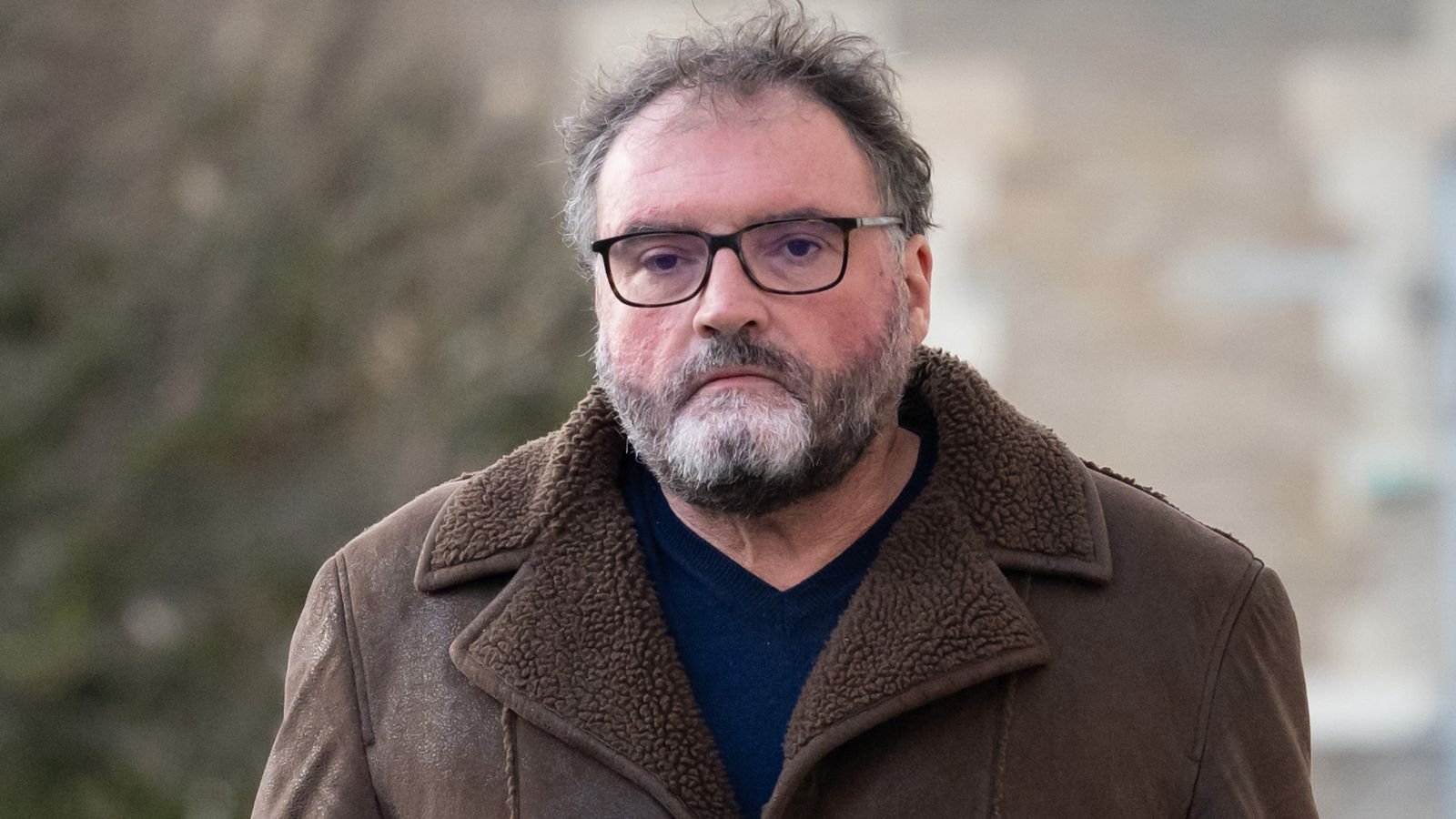
Former Anaesthetist Sentenced for Serial Poisonings in France
Frederic Pechier, a former anaesthetist labelled “Doctor Death” by French authorities, has received a prison sentence of at least 22 years for the murders of 12 patients. The 53-year-old was convicted of a total of 30 poisonings after a thorough investigation revealed he was the common link to a troubling pattern of cardiac arrests at two medical facilities.
Details of the Case
Pechier was found guilty of administering lethal substances to patients during their treatment between 2008 and 2017. The poisonings were discovered at clinics located in Besançon, eastern France, where Pechier reportedly tainted anaesthesia bags with chemicals designed to provoke heart attacks or severe bleeding.
Authorities began their inquiry when they noted an alarming number of emergencies arising from surgeries that were deemed routine and low risk. The tragic incidents included the death of Pechier’s youngest victim, a four-year-old who experienced cardiac arrest during a tonsillectomy in 2016, and the oldest, an 89-year-old patient.
Reactions and Court Proceedings
The court was informed that Pechier used various agents, including potassium, adrenaline, local anaesthetics, and anticoagulants, to poison his victims. Prosecutors alleged that his motivations included a desire to psychologically torment his colleagues and a need for control within the medical environment. In powerful closing statements, the court was told, “You turned this clinic into a graveyard.”
Throughout the trial, Pechier continuously denied the allegations, claiming that the poisonings could be attributed to the errors of others. While he eventually acknowledged that a poisoner was responsible, he steadfastly maintained that it was not him. As the jury began its deliberations, Pechier reiterated his innocence, stating, “I will always say it: I am not a poisoner.” His representative has announced plans to appeal the conviction.
Background
This incident occurs against a backdrop of serious breaches of trust within the healthcare sector. Earlier this year, another medical professional, Joel Le Scouarnec, was sentenced for his heinous acts of sexual abuse against nearly 300 victims, many under anaesthesia. Such cases have raised significant concerns about patient safety in medical establishments and the need for rigorous oversight.
Pechier’s sentencing underscores alarming issues surrounding medical ethics and highlights the gravity of misconduct in practices intended for healing and care, prompting renewed debates on safeguarding patient welfare and accountability within healthcare systems worldwide.
Source: Original Article