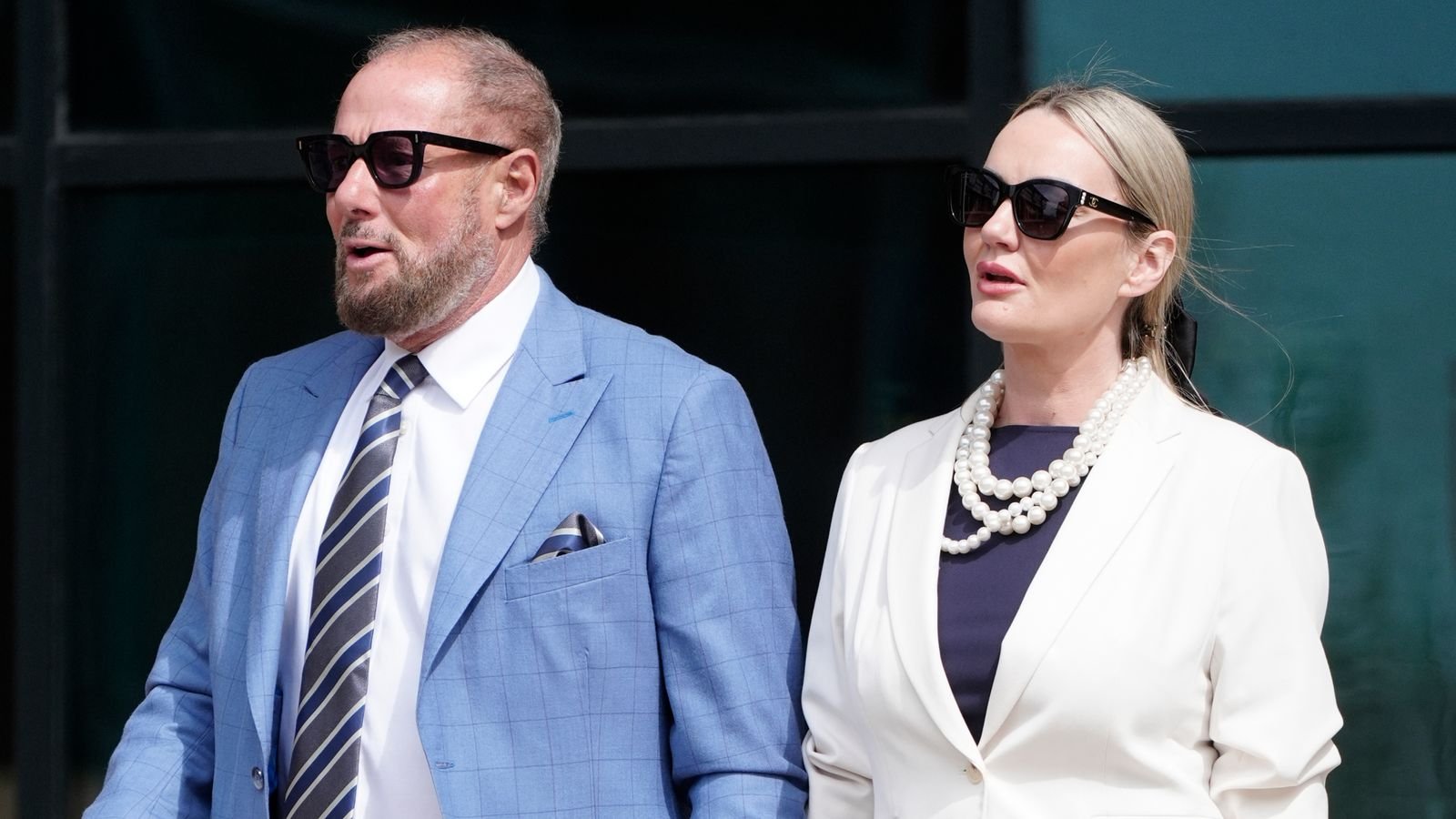
Derek Hatton and Wife Deny Misconduct Charges in Manchester Court
Former Labour politician Derek Hatton, aged 77, and his wife Sonjia Hatton, 50, have appeared in Manchester Crown Court, where they pleaded not guilty to charges related to misconduct in public office. The couple is set to stand trial in April 2027 in connection with allegations involving the misuse of confidential council information.
Court Proceedings
During Thursday’s court appearance, Derek Hatton entered a plea of not guilty to counselling or procuring misconduct while Sonjia Hatton denied the accusation of providing her husband with confidential council data for commercial benefits. Earlier this year, Derek Hatton had also pleaded not guilty to a separate charge of offering a bribe.
Background on Derek Hatton
Derek Hatton is a notable figure from the 1970s and 1980s, known for his involvement with the Militant tendency within the Labour Party. He served as the deputy leader of Liverpool City Council during a tumultuous period, which included the council’s decision to set an illegal budget in 1985 in resistance to the Thatcher government. This controversial history includes his expulsion from the Labour Party in 1986 due to breaches of party rules.
In 2019, Hatton claimed on Sky News that he had been readmitted to the Labour Party, although he faced suspension shortly thereafter.
Related Charges
Both Derek and Sonjia Hatton are currently on bail, scheduled for a trial alongside former Liverpool mayor Joe Anderson and others. Joe Anderson, 67, denies multiple charges, including bribery and misconduct. His son, David Anderson, and former council official Andrew Barr are also facing similar allegations related to misconduct.
These charges arise from Operation Aloft, a Merseyside Police investigation that examined the awarding of commercial contracts by the council between 2010 and 2020. A total of six additional defendants connected to this investigation are expected to stand trial in February 2024.
Significance
This case is significant within the context of ongoing discussions about accountability and integrity in public office in the UK, particularly against a backdrop of historical political controversies in Labour. The outcomes of these trials could have implications for public trust in local government and political institutions.
Conclusion
As the trial date approaches, the implications of the Hattons’ charges highlight the ongoing need for transparency and ethical governance within the UK’s political landscape.
Source: Original Article