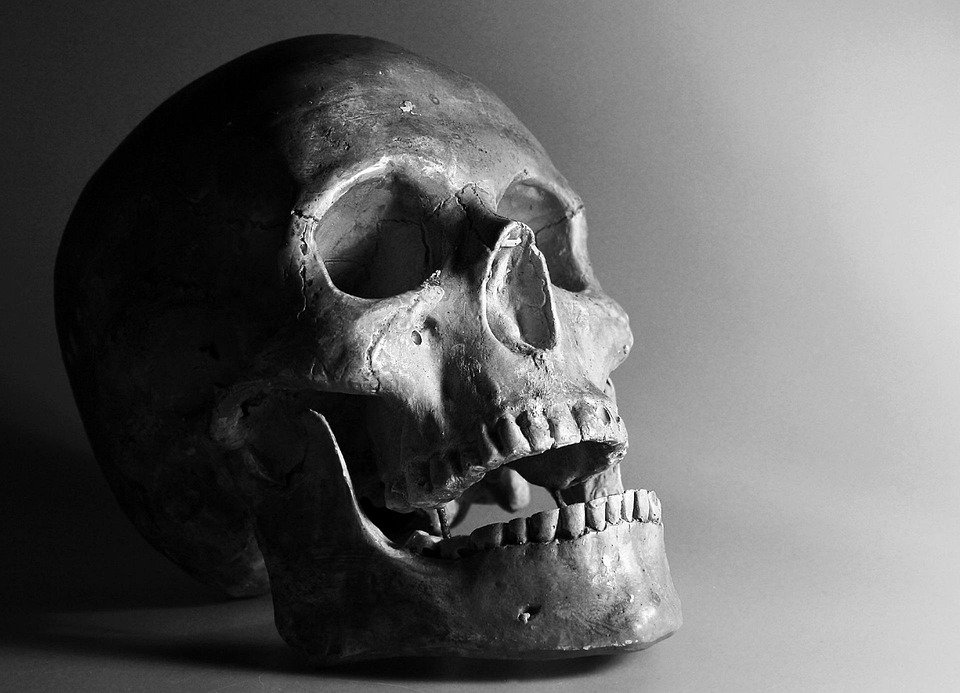
Maintaining healthy bones is essential for overall well-being and mobility. An important aspect of bone health that is often overlooked is the role of muscles. This article explores how muscles contribute to the structural integrity of bones and the interconnectedness between the two systems.
The Relationship Between Muscles and Bones
Muscles and bones work together to support bodily movement and provide stability. Bones serve as the framework of the body, while muscles are responsible for initiating movement through contraction. Understanding this relationship is crucial for appreciating how physical activity can enhance skeletal health.
How Muscles Support Bone Health
- Force Distribution: When muscles contract, they exert forces on bones. This stress helps bones maintain their strength and density. The more a muscle works, the stronger and denser the connected bone can become.
- Stability and Protection: Muscles surrounding bones provide stability to joints and protect bones from potential injuries. Well-developed muscles reduce the strain on bones during physical activities.
- Movement Facilitation: Muscles allow for a range of movements, which can stimulate bone remodeling. Regular activity encourages healthy bone turnover, keeping bones strong and resistant to fractures.
- Balance and Coordination: Strong muscles improve balance and coordination. This is vital in preventing falls, especially in older adults, where falls may lead to serious bone injuries.
Importance of Physical Activity
Engaging in regular physical activity is beneficial for both muscles and bones. Exercise not only strengthens muscles but also promotes bone health through various mechanisms:
- Weight-Bearing Activities: Activities like walking, jogging, and resistance training apply pressure to bones, stimulating growth and density.
- Muscle Strengthening: Exercises that target major muscle groups help in building muscle mass, which, in turn, supports bone structure.
- Flexibility and Balance Exercises: Practices such as yoga or tai chi enhance flexibility and coordination, contributing to injury prevention.
Conclusion
The interplay between muscles and bones is vital for maintaining structural integrity and overall health. Understanding this relationship encourages individuals to engage in regular physical activity, which supports both muscular and skeletal health. A strong body relies on the synergy between muscles and bones, promoting a more active and fulfilling lifestyle.