






















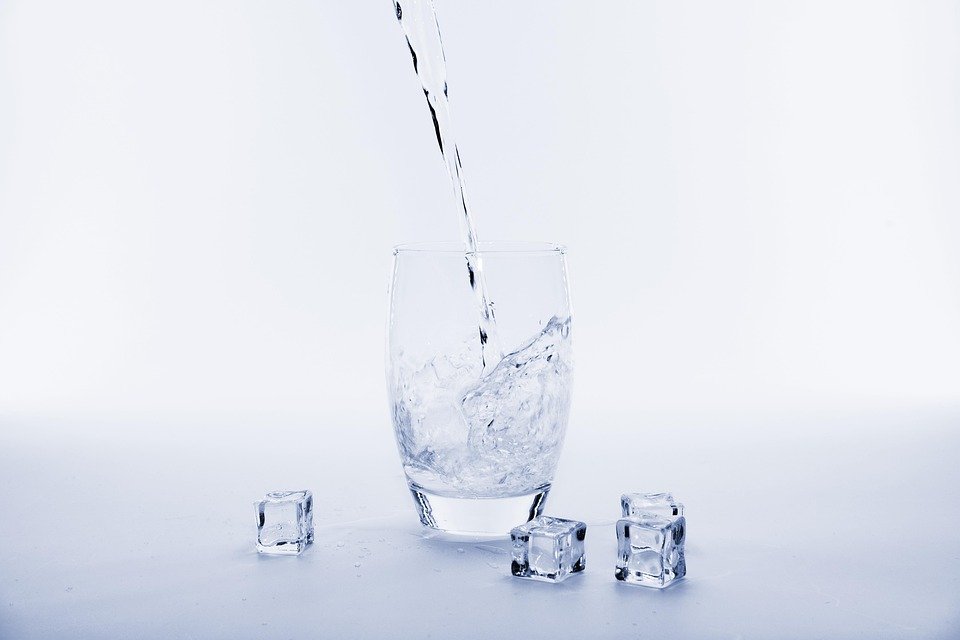
Hydration is a significant aspect of maintaining overall health, particularly when it comes to physical performance and endurance. Water is essential for the body, making up a large percentage of an individual’s total body weight. Proper hydration supports various physiological processes and can profoundly affect how individuals perform during physical activities.
The Role of Water in the Body
Water serves numerous critical functions within the human body, including:
- Regulating Body Temperature: Water helps to maintain a stable internal temperature, which is crucial during exercise when the body generates additional heat.
- Transporting Nutrients: Water acts as a carrier for nutrients and oxygen to cells, while also facilitating the removal of waste products.
- Supporting Joint Health: Adequate hydration helps keep synovial fluid in the joints, providing cushioning and reducing the risk of injuries.
- Enhancing Physical Performance: Sufficient hydration improves strength, endurance, and overall physical performance during various activities.
Impact of Dehydration on Performance
Even mild dehydration can negatively affect performance. Symptoms can include:
- Reduced Endurance: A lack of adequate fluids can lead to early fatigue and decreased endurance.
- Impaired Coordination: Dehydration may affect balance and coordination, increasing the risk of injuries.
- Decreased Strength: Insufficient hydration can lead to reduced muscular strength and power output.
- Altered Perception of Effort: Individuals may feel that a particular exercise is harder than usual, impacting motivation and performance levels.
Understanding Fluid Needs
Fluid needs can vary based on several factors, including:
- Activity Level: More intensive or prolonged physical activities typically require greater fluid intake to replace lost fluids.
- Environmental Conditions: Hot or humid conditions can lead to increased sweat production, necessitating additional hydration.
- Individual Factors: Age, weight, and individual health conditions can influence hydration needs.
Strategies for Staying Hydrated
To maintain optimal hydration levels, consider the following tips:
- Drink Regularly: Aim to drink water consistently throughout the day, not just during or after exercise.
- Monitor Thirst and Urine Color: Thirst is a reliable indicator that it’s time to hydrate. Clear or light-colored urine typically indicates proper hydration.
- Incorporate Hydrating Foods: Fruits and vegetables, such as watermelon and cucumbers, can contribute to overall fluid intake.
- Prepare for Physical Activity: Drink water before, during, and after exercise to keep hydration levels in check.
Conclusion
Proper hydration is essential for physical performance and endurance. By understanding the importance of water and taking steps to stay hydrated, individuals can enhance their overall health and optimize their performance in various activities. Staying aware of personal hydration needs and adopting consistent hydration practices can lead to better physical outcomes and greater enjoyment of physical activities.






