






















First aid is a crucial skill that can help in responding to a variety of everyday injuries and emergencies. Knowing the essential basics can empower individuals to act swiftly and effectively in minor and major situations alike.
Understanding First Aid
First aid involves the initial assistance provided to someone who has suffered an injury or illness. This care aims to preserve life, prevent the condition from worsening, and promote recovery. Here are some fundamental principles to keep in mind:
- Stay Calm: Your composure can help others feel secure.
- Ensure Safety: Make sure the environment is safe for both you and the injured person.
- Assess the Situation: Determine the nature of the injury and the number of people involved.
Common Everyday Injuries
Many injuries occur in daily life. Here are some common types with general first aid responses:
- Cuts and Scrapes:
- Clean the wound with soap and water.
- Apply an antiseptic if available.
- Cover with a sterile bandage to prevent infection.
- Burns:
- Cool the burn under running water for several minutes.
- Cover the area with a clean cloth or non-stick bandage.
- Avoid applying ice directly to the burn.
- Sprains and Strains:
- Rest the injured area and avoid using it.
- Apply ice to reduce swelling.
- Elevate the area to minimize discomfort.
- Choking:
- Encourage the person to cough if they can.
- If necessary, perform the Heimlich maneuver (abdominal thrusts) for adults or back blows for infants.
Basic First Aid Kit
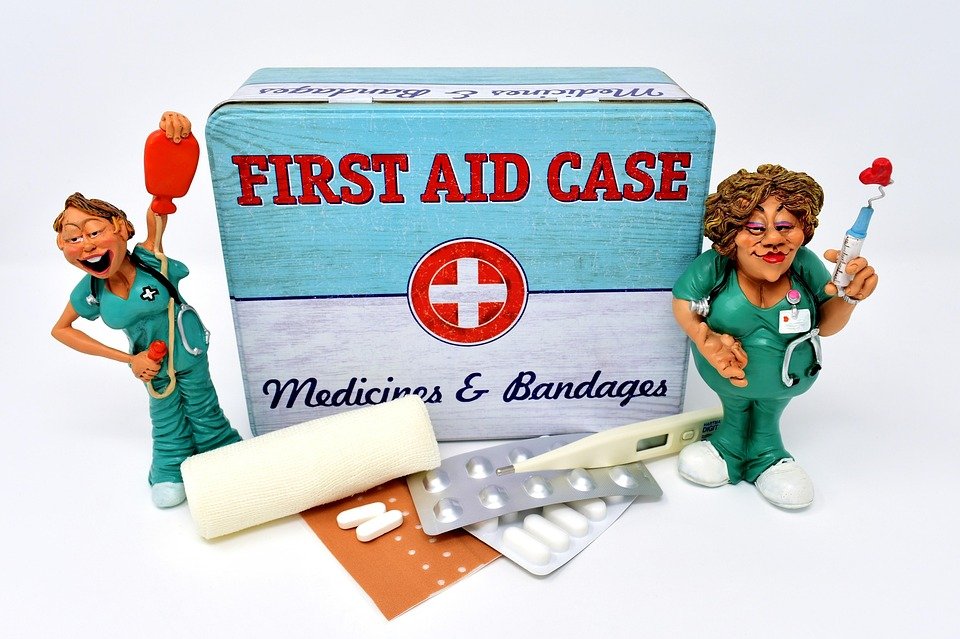
Having a well-stocked first aid kit can be instrumental in managing minor emergencies. A basic kit should include:
- Adhesive bandages of various sizes
- Antiseptic wipes
- Gauze pads and tape
- Scissors and tweezers
- Pain relievers (for minor discomfort)
- Instant cold packs
Final Considerations
While first aid is valuable in emergencies, it is recommended to seek help from trained medical professionals when necessary. Being aware of when to call for help is just as important as knowing how to provide first aid.
Understanding these essential basics can encourage a proactive approach to health and safety in everyday environments. By being prepared, you can make a meaningful difference in emergency situations.






