






















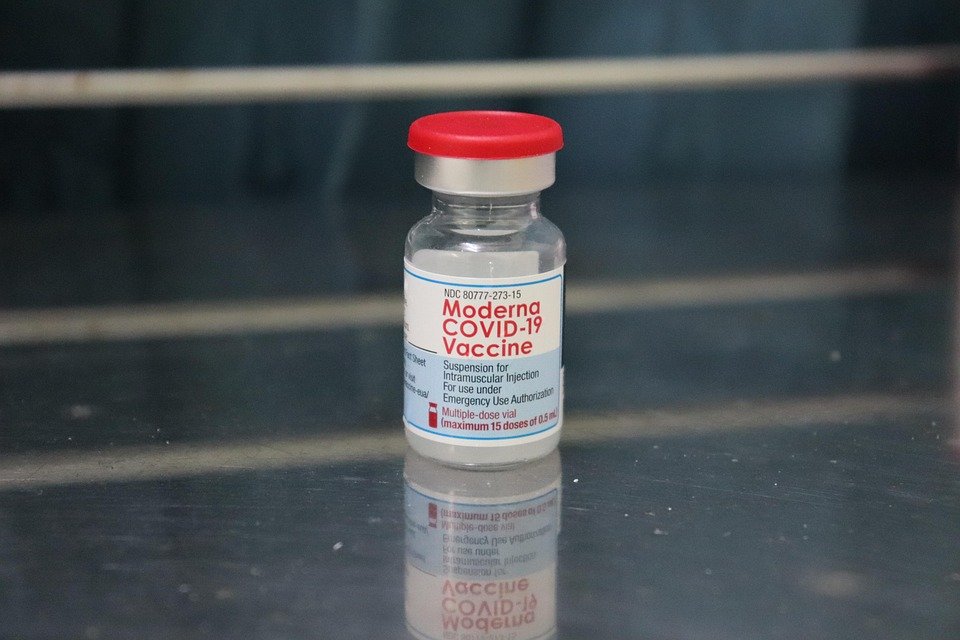
Understanding Vaccination
Vaccination is a crucial public health tool designed to protect individuals and communities from infectious diseases. By introducing a harmless part of a disease-causing organism, vaccines stimulate the body’s immune system to recognize and fight specific pathogens without causing the disease itself.
How Vaccines Work
The core principle behind vaccination is the concept of immunity. When a vaccine is administered, it often contains weakened or inactivated forms of a virus or bacterium, or parts of these pathogens (such as proteins). This exposure trains the immune system to recognize and combat the pathogens in the future.
The Immune Response
Upon receiving a vaccine, the body undergoes a series of processes:
- Recognition: The immune system identifies the vaccine components as foreign invaders.
- Activation: Specialized cells called lymphocytes are activated to respond to the perceived threat.
- Memory Formation: The immune system creates memory cells, which remain in the body long after vaccination. These cells ensure a quicker and more efficient response upon future exposure to the actual disease.
Types of Immunity
Vaccination promotes two types of immunity:
- Active Immunity: Gained through exposure to a disease or through vaccination. It generally provides long-lasting protection.
- Passive Immunity: Temporarily gained through the transfer of antibodies. This can occur naturally, such as through maternal antibodies passed to a baby, or artificially through treatments. Unlike active immunity, it does not offer long-term protection.
The Role of Vaccination in Disease Prevention
Vaccines play a significant role in preventing the spread of infectious diseases. When a large portion of a population is vaccinated, it leads to herd immunity, which occurs when enough individuals are immune to a disease, making its spread unlikely. This protects those who cannot be vaccinated, such as infants and individuals with certain health conditions.
Conclusion
Vaccination is a safe and effective means of protecting both individuals and communities from diseases. By understanding how vaccines work and their role in disease prevention, individuals can make informed choices about their health and contribute to public health efforts that protect everyone.






