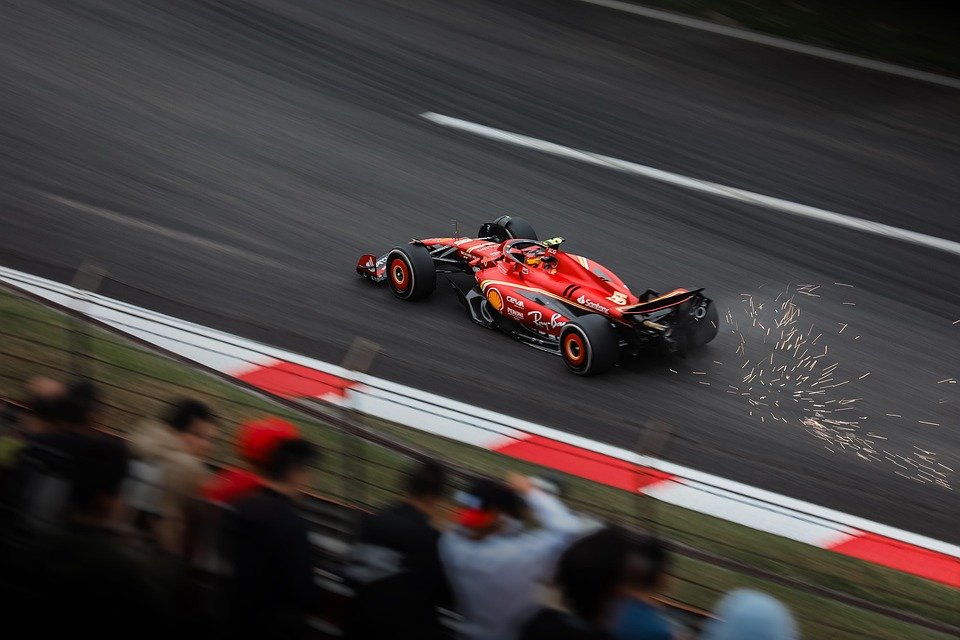
Introduction to Motorsport Aerodynamics
Motorsport aerodynamics is a critical discipline that combines the principles of fluid dynamics with the design and performance of racing vehicles. The goal is to optimize a vehicle’s performance by reducing drag and increasing downforce, enabling greater speed and stability on the track.
The Historical Development of Motorsport Aerodynamics
The evolution of motorsport aerodynamics began in the early 20th century, during the rise of competitive racing. Early automobiles faced challenges related to wind resistance, which significantly affected their speed and handling.
- Pre-1930s: In the early days of motorsport, aerodynamics was not a predominant consideration. Vehicles were designed primarily for mechanical performance rather than aerodynamic efficiency.
- 1930s – Pre-War Era: The introduction of wind tunnel testing began to change the landscape. Innovations, such as the streamlined designs seen in cars like the Auto Union Type C, showcased the advantages of reducing drag.
- Post-War Developments: The post-World War II period saw rapid advances in technology. The 1950s brought about significant innovations in both vehicle design and aerodynamic research, with teams employing more sophisticated testing techniques.
- 1970s – 1980s: The implementation of ground effect in Formula 1 racing dramatically changed vehicle design. Teams like Lotus, led by designers such as Colin Chapman, popularized the use of underbody aerodynamics to generate downforce.
- 1990s – 2000s: As methods of simulations and computational fluid dynamics (CFD) became more accessible, teams began to create more complex designs. The McLaren MP4/13 and the Ferrari F2004 are notable examples that utilized advanced aerodynamic features for competitive advantage.
- Current Trends: Today, aerodynamics is a cornerstone of vehicle design, with teams employing a combination of wind tunnel testing, CFD, and on-track data analysis to refine their vehicles continually.
Key Aerodynamic Concepts
Understanding some fundamental concepts of aerodynamics can enhance comprehension of how vehicles perform on the track:
- Drag: This refers to the resistance that a vehicle encounters when moving through the air. Minimizing drag is essential for increasing straight-line speed.
- Downforce: This is the vertical force created by the aerodynamic shape of the car, pushing it downward onto the track. This force is crucial for maintaining grip during high-speed cornering.
- Lift and Center of Pressure: Lift is the opposite of downforce. Understanding where the center of pressure acts helps teams design balanced vehicles that handle predictably.
- Ground Effect: Introduced in the late 20th century, this involves creating a low-pressure area under the car, increasing downforce without significant drag penalties.
Conclusion
The history of motorsport aerodynamics is a reflection of continuous innovation, blending science with sport. Understanding these principles not only enhances the spectator’s appreciation of racing but also highlights the significant advancements in technology and design that have defined motorsport over the decades. The intricate relationship between aerodynamics and vehicle performance remains a pivotal aspect of competitive racing today.