






















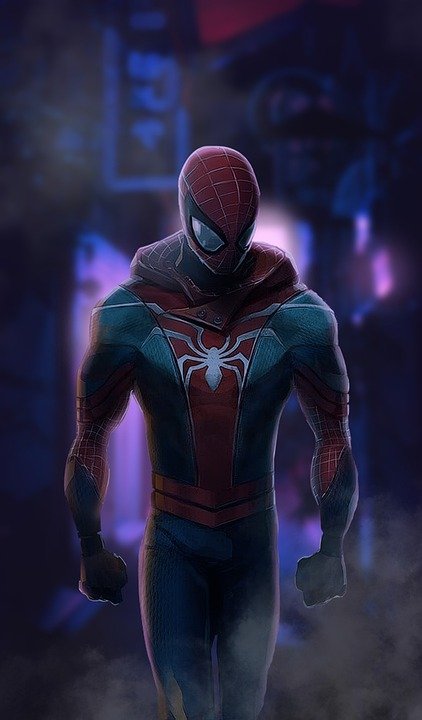
Introduction to the Rivalry
The rivalry between DC Comics and Marvel Comics dates back to the 1930s when both companies began publishing comic books that would later become the foundation for the superhero genre. Over the decades, this competition has profoundly influenced the film industry, resulting in some of the most beloved and commercially successful films in cinema history.
The Early Beginnings
The first major adaptation of a superhero character occurred in 1941 with the release of “Captain America” as a serial film. This marked the beginning of superhero cinema, albeit in a rudimentary form. The 1978 film “Superman,” directed by Richard Donner, further shaped the landscape by combining ambitious special effects with serious storytelling, creating a blueprint for future superhero films.
Marvel’s Rise in the 1990s
In the early 1990s, Marvel’s partnership with Hollywood began to flourish. The release of “Blade” in 1998, directed by Stephen Norrington, was a significant turning point. Its success proved that comic book adaptations could appeal to a broader audience. The film’s darker tone and stylistic action sequences paved the way for future Marvel adaptations.
DC’s Golden Era
DC experienced its own resurgence with the release of “Batman Begins” in 2005, directed by Christopher Nolan. The film, along with its sequels, showcased a more serious and gritty approach to superhero storytelling. Nolan’s use of practical effects and a minimalist aesthetic helped redefine the genre, influencing both DC and Marvel films that followed.
The Formation of the Cinematic Universes
The real game-changer came in 2008 with the release of “Iron Man,” directed by Jon Favreau. This film not only marked the inception of the Marvel Cinematic Universe (MCU) but also set the tone for interconnected storytelling in superhero cinema. Following this, the MCU expanded rapidly with a series of successful films that captivated audiences worldwide.
In contrast, DC sought to establish its own cinematic universe with the launch of “Man of Steel” in 2013, directed by Zack Snyder. Despite varying critical reception, it aimed to create a cohesive narrative that could rival Marvel’s successful formula.
Influential Directors and Visionaries
Several filmmakers have played crucial roles in shaping the superhero genre. Directors like Tim Burton, who brought a stylized and gothic approach to “Batman” in 1989, and Zack Snyder, whose visual flair in movies like “300” influenced the aesthetic of modern superhero films, have left indelible marks on both DC and Marvel outputs.
Cinematic Techniques and Evolution
Both Marvel and DC have employed evolving cinematic techniques, including CGI, sound design, and editing styles, which have advanced alongside the technology. The use of CGI became particularly prominent with films like “The Avengers” in 2012, where large-scale battle scenes were intricate and visually stunning, engaging audiences on a level previously unseen in superhero cinema.
Conclusion: The Ongoing Rivalry
As of today, the rivalry between DC and Marvel continues to shape the landscape of superhero cinema. Both companies have their unique strengths and approaches, appealing to various demographics and fan bases. The influence of their competition has fostered innovation and creativity within the industry, ensuring that superhero films will continue to evolve and resonate with audiences for generations to come.
Key Takeaways
- The rivalry between DC and Marvel dates back to the inception of superhero comic books in the 1930s.
- “Superman” (1978) was pivotal in defining the superhero film genre.
- “Blade” (1998) and “Iron Man” (2008) marked significant shifts in audience engagement with superhero films.
- Directors like Christopher Nolan and Zack Snyder have influenced the aesthetic approaches in superhero storytelling.
- The use of advanced visual effects and interconnected storytelling continues to set the stage for future superhero films.






