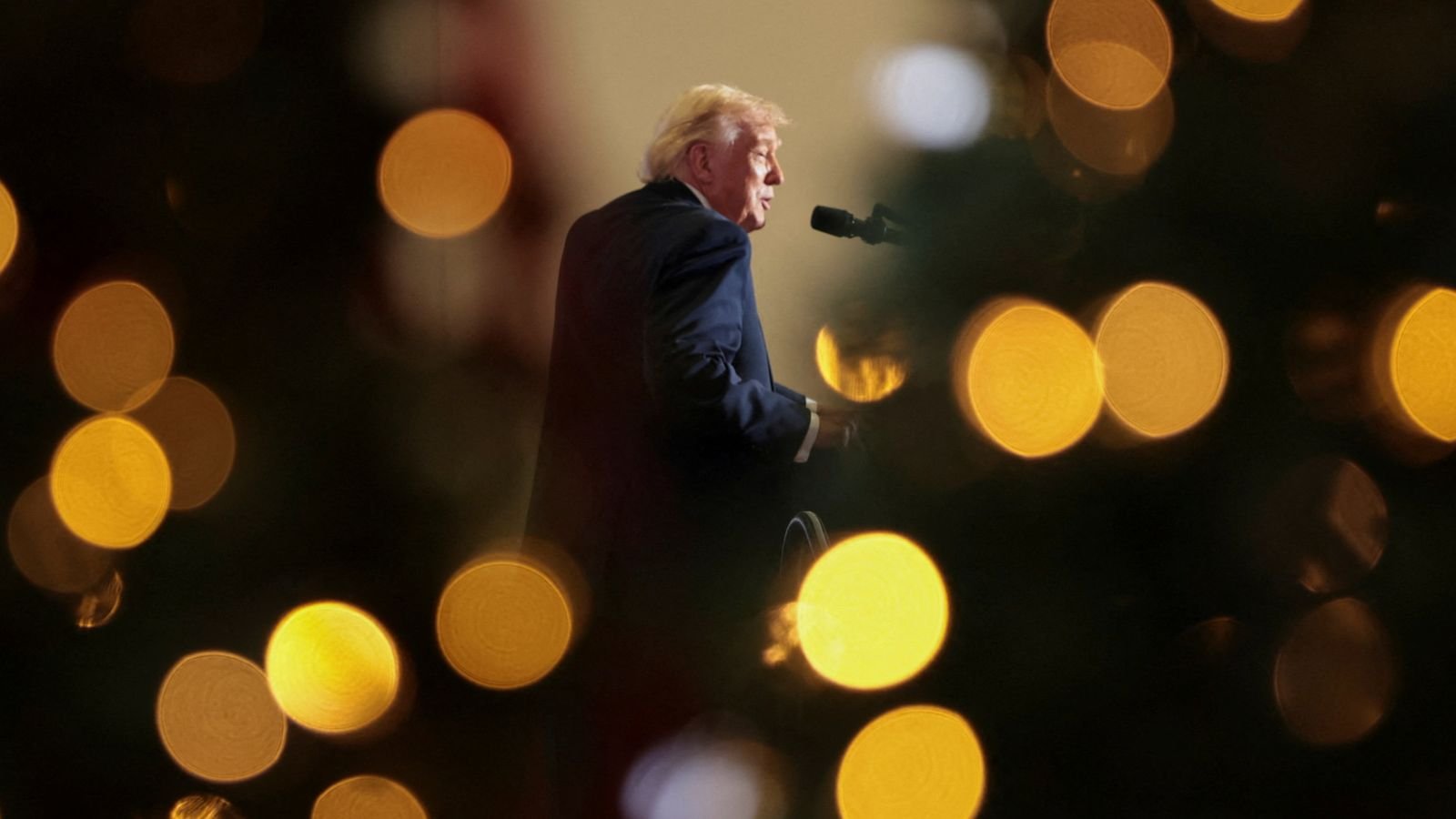
A New Era of Global Disarray Post-Trump Election
The recent re-election of Donald Trump in November 2024 has intensified the fragmentation of global order, ushering in a palpable sense of uncertainty and chaos in international relations. This shift has highlighted the emergence of strongman politics and has raised concerns over a more aggressive pursuit of national interests, disrupting long-standing diplomatic norms.
The Rise of Strongman Politics
For over a decade, evidence of a “new global dis-order” has been mounting, but Trump’s return to power has acted as a catalyst, making instability feel more immediate. As powerful leaders across the globe adopt increasingly aggressive stances, a troubling pattern emerges, characterised by a disregard for international law and a devaluation of established global institutions.
Implications for Global Governance
In this evolving landscape, international organisations like the United Nations, despite being frequently criticised, are still sought after for legitimacy by various states pursuing their agendas. The rise of influential figures in the tech industry mirrors this trend, as they navigate and intervene in global affairs, further complicating the traditional political balance.
Trump’s Conquest Philosophy
Trump’s domestic ambitions appear geared towards a profound transformation of U.S. politics; however, his foreign policy stances carry grave implications internationally. One significant aspect is the endorsement of using force to achieve territorial ambitions, a notion that could destabilise the global stage.
Aggressive Territorial Claims
- Trump’s interest in incorporating Greenland into the U.S. has raised eyebrows, particularly as it is a territory of Denmark.
- He has indicated intentions to reclaim the Panama Canal, potentially through coercive means.
- Furthermore, Trump has shown a willingness to endorse Russia’s actions in Ukraine, officially recognising its military conquests.
Such positions resonate well in Moscow, where political leaders yearn to revive the influence of the former Soviet Union through military might.
Global Repercussions
The implications extend beyond Russia. Nations like China are emboldened to pursue their territorial claims in the South China Sea and ambitions regarding Taiwan. Additionally, hardline political factions across the globe, including Zionist leaders in Israel and nationalist figures in India, find validation in this trend, leading to potential escalations in conflict zones.
The Decline of International Law
In a world increasingly shunning laws and recognised institutions, the rise of imperialist sentiments is evident. With the U.S. adopting a more isolationist stance, the previously dominant “Western world” is facing unprecedented uncertainty, creating a vacuum in international leadership.
Background
The U.S. has historically swung between isolationism and a more globally engaged approach. It’s noteworthy that the post-World War II era saw the U.S. actively promote international collaboration and the establishment of key institutions that helped maintain global order. Now, this shift toward isolationism may reverse years of progress made in international cooperation.
The Future of Transatlantic Relations
Recent publications from Washington reflect a fundamental realignment in how U.S. officials view their relationships with European allies, especially concerning responses to Russia and the situation in Ukraine. The traditional framework that has shaped transatlantic ties for decades is being re-evaluated.
Conclusion
The year 2025 could become symbolic of a dramatic shift away from a globally accepted order that many have taken for granted, a shift seemingly influenced by one individual. As international norms erode, the stakes grow ever higher, leaving the world to ponder the consequences of this new era of disarray.
Source: Original Article