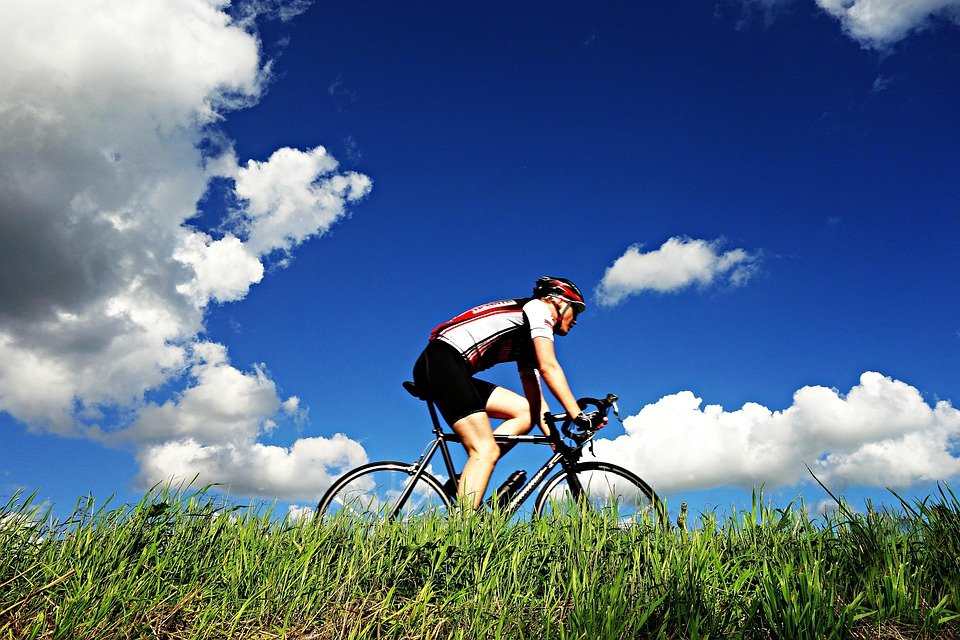
Understanding Pedal Power
Cycling is a sport that combines physical endurance, aerodynamic technique, and a deep understanding of biomechanics. The ability of cyclists to maintain high speeds over varying distances is influenced by multiple scientific principles, training methods, and athletic techniques.
The Physics of Cycling
The primary factors that influence a cyclist’s speed are aerodynamics, rolling resistance, and power output. These elements come together to define what is known as “pedal power.” Understanding these can help athletes enhance their performance.
- Aerodynamics: Cyclists reduce air resistance through body position and equipment choices. The most efficient position is often a low, aerodynamic posture that minimizes wind resistance.
- Rolling Resistance: This refers to the friction between the tires and the ground. The type of tires and pressure can significantly impact resistance, affecting overall speed.
- Power Output: Measured in watts, power output is the amount of work a cyclist can generate. Training focuses on increasing both aerobic capacity and muscular strength to enhance power output.
Biomechanics in Cycling
Proper biomechanics are crucial for cycling efficiency. Essential aspects include:
- Pedal Stroke: The circular motion of pedaling allows for continuous power application. Effective cyclists maximize this by ensuring a smooth and even stroke.
- Cadence: This is the rate at which a cyclist pedals, typically measured in revolutions per minute (RPM). An optimal cadence often falls between 70-100 RPM for endurance riding, while higher cadences are common in sprinting.
- Positioning: Frame size and fit can significantly impact a cyclist’s performance. An optimized bike fit ensures greater comfort and power efficiency.
Training Techniques for Endurance
A successful cycling regimen incorporates various training techniques tailored to enhance endurance and speed.
- Long-distance Rides: These are essential for building aerobic capacity. Gradually increasing the distance helps improve stamina needed for longer races.
- Interval Training: Alternating periods of high intensity with low intensity helps enhance both speed and recovery. This method improves anaerobic threshold, allowing cyclists to perform at higher intensities for extended periods.
- Strength Training: Incorporating strength exercises—such as squats and deadlifts—targets key muscle groups used in cycling, leading to improved power output.
The Evolution of Cycling Techniques
Cycling has evolved significantly, with advancements in technology impacting techniques and training methods. Historical figures such as Eddy Merckx and Greg LeMond exemplify the evolution of strategies, focusing on a combination of physical training and innovative gear to enhance performance.
Professional cyclists often engage in detailed performance analysis, utilizing power meters and heart rate monitors to garner instant feedback. This data-driven approach allows cyclists to tailor their training to maximize efficiency and effectiveness.
Conclusion
Understanding the scientific principles behind cycling—from the physics of pedal power to the biomechanics of movement and training techniques—can help cyclists of all levels improve their performance. With a solid foundation in these areas, athletes can continue to push the limits of their endurance and speed on two wheels.