






















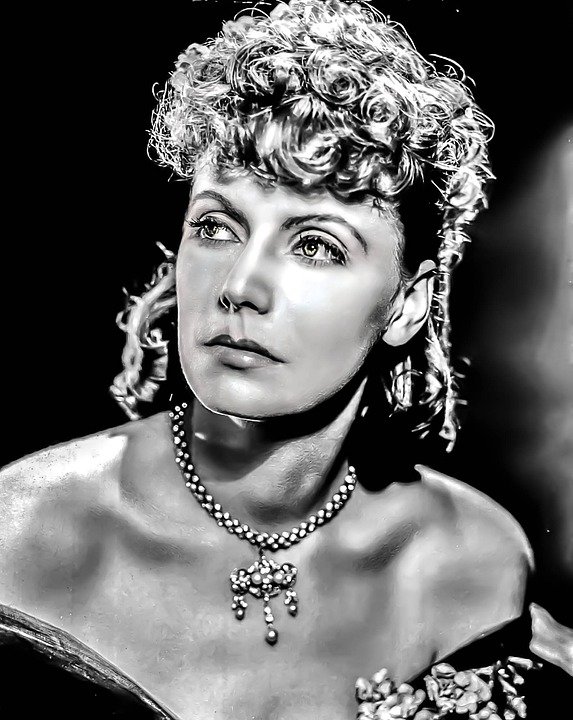
Introduction to Early Hollywood
The early years of Hollywood, stretching from the 1910s to the late 1920s, were filled with groundbreaking developments in filmmaking. This period marked the transition from silent films to “talkies,” a shift that not only revolutionized cinema but also introduced a cadre of influential directors who shaped the medium. Today, we delve into the vision of these pioneering filmmakers who laid the foundation for modern storytelling in film.
Influential Directors
Several directors from the early Hollywood era made significant contributions that have been celebrated and studied for generations. Their unique styles and innovative techniques have left a lasting impact on the industry.
-
D.W. Griffith
Often referred to as the father of modern filmmaking, D.W. Griffith was instrumental in establishing narrative cinema. His landmark film, “The Birth of a Nation” (1915), despite its controversial content, showcased groundbreaking techniques such as cross-cutting and close-ups, which would become staples of the medium.
-
Charlie Chaplin
A true icon of the silent film era, Charlie Chaplin’s character, The Tramp, became synonymous with emotional storytelling through physical comedy. Chaplin directed and starred in many influential films, including “City Lights” (1931), which combined humor with poignant social commentary.
-
Fritz Lang
Fritz Lang emerged as one of the most significant directors of the German Expressionist movement before making his mark in Hollywood. His film “Metropolis” (1927) was a visionary science fiction piece that explored themes of industrialization and class struggle, influencing future filmmakers and genres.
-
Alfred Hitchcock
Although Hitchcock’s most celebrated works came later, his early films in the 1920s, such as “The Lodger: A Story of the London Fog” (1927), showcased his developing style that fused suspense and psychological depth, paving the way for his eventual mastery of the thriller genre.
Film Movements and Their Impact
During this formative period, various film movements began to take shape, reflecting cultural and artistic trends that influenced filmmakers worldwide.
-
German Expressionism
This movement was characterized by its use of stylized sets, dramatic lighting, and surreal characters. It profoundly influenced Hollywood, especially through directors like Lang and later Robert Wiene, creating an aesthetic that would permeate horror and film noir genres.
-
Italian Neorealism
Emerging after World War II, Italian Neorealism focused on everyday struggles and societal issues, departing from the idealized depictions common in earlier films. This movement inspired American filmmakers to portray more realistic stories, enriching the narrative depth of future Hollywood films.
Conclusion
The early directors of Hollywood not only entertained but also challenged societal norms and pushed the boundaries of cinematic techniques. Their visionary contributions have inspired countless filmmakers, ensuring their influence continues to resonate in today’s film landscape. By examining their works and the movements they were a part of, we gain insight into the evolution of storytelling through the lens of cinema.






