






















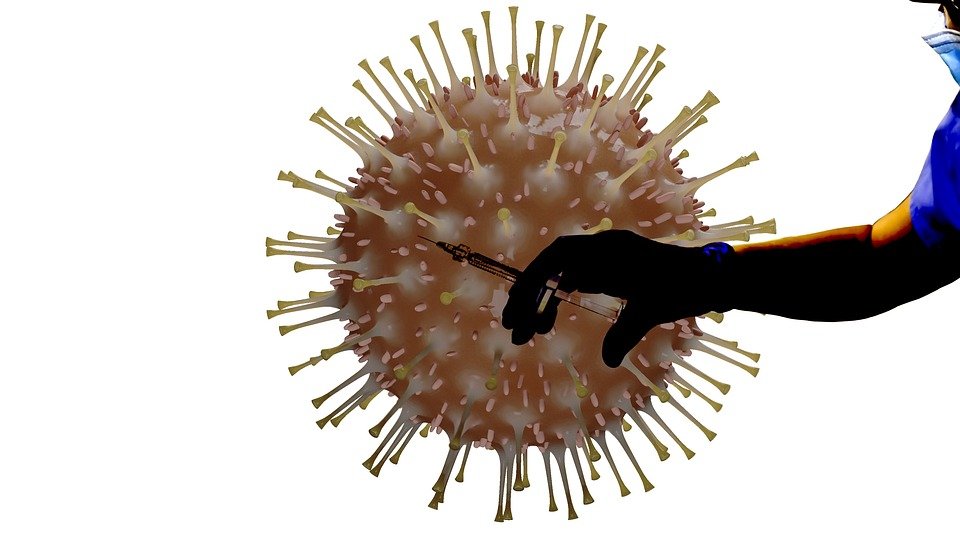
Understanding Vaccinations
Vaccinations, also known as immunizations, play a crucial role in protecting individual and community health. They work by simulating an infection, which prompts the immune system to develop a defense against specific pathogens without causing the disease itself.
How Vaccinations Strengthen the Immune System
The immune system is the body’s defense mechanism against infections and diseases. Vaccinations help enhance this natural defense in several ways:
- Stimulating Immune Response: Vaccines introduce antigens, which are harmless pieces of pathogens, into the body. This stimulates the immune system to recognize and remember these antigens.
- Building Immunity: Once vaccinated, the body can produce specific antibodies that will recognize and combat the actual pathogen if encountered in the future, thus preventing illness.
- Creating Memory Cells: Vaccination helps the body create memory cells that “remember” previous infections. If the body encounters the pathogen again, these memory cells facilitate a quick and effective response.
The Importance of Herd Immunity
Herd immunity occurs when a significant portion of a population becomes immune to a disease, making its spread unlikely. This provides indirect protection to those who are not immune, such as infants and individuals with compromised immune systems. Vaccinations are key to achieving herd immunity.
Common Misconceptions
There are several misconceptions surrounding vaccinations. Addressing these misunderstandings is important for informed health choices:
- Vaccines Cause Diseases: Vaccines are designed to prevent diseases, not cause them. They contain inactive or weakened pathogens that do not cause illness.
- Natural Immunity is Better: While natural infection can provide immunity, it usually comes with health risks. Vaccinations provide a safe way to achieve immunity.
- Vaccination Isn’t Necessary: Many preventable diseases can lead to serious health complications. Vaccines are a proven method for reducing the incidence of these diseases.
Conclusion
Vaccinations are a vital component of public health, working to enhance individual immune defense and promote community well-being. By understanding the role of vaccinations, individuals can make informed choices about their health and contribute to the overall safety of their communities.






