























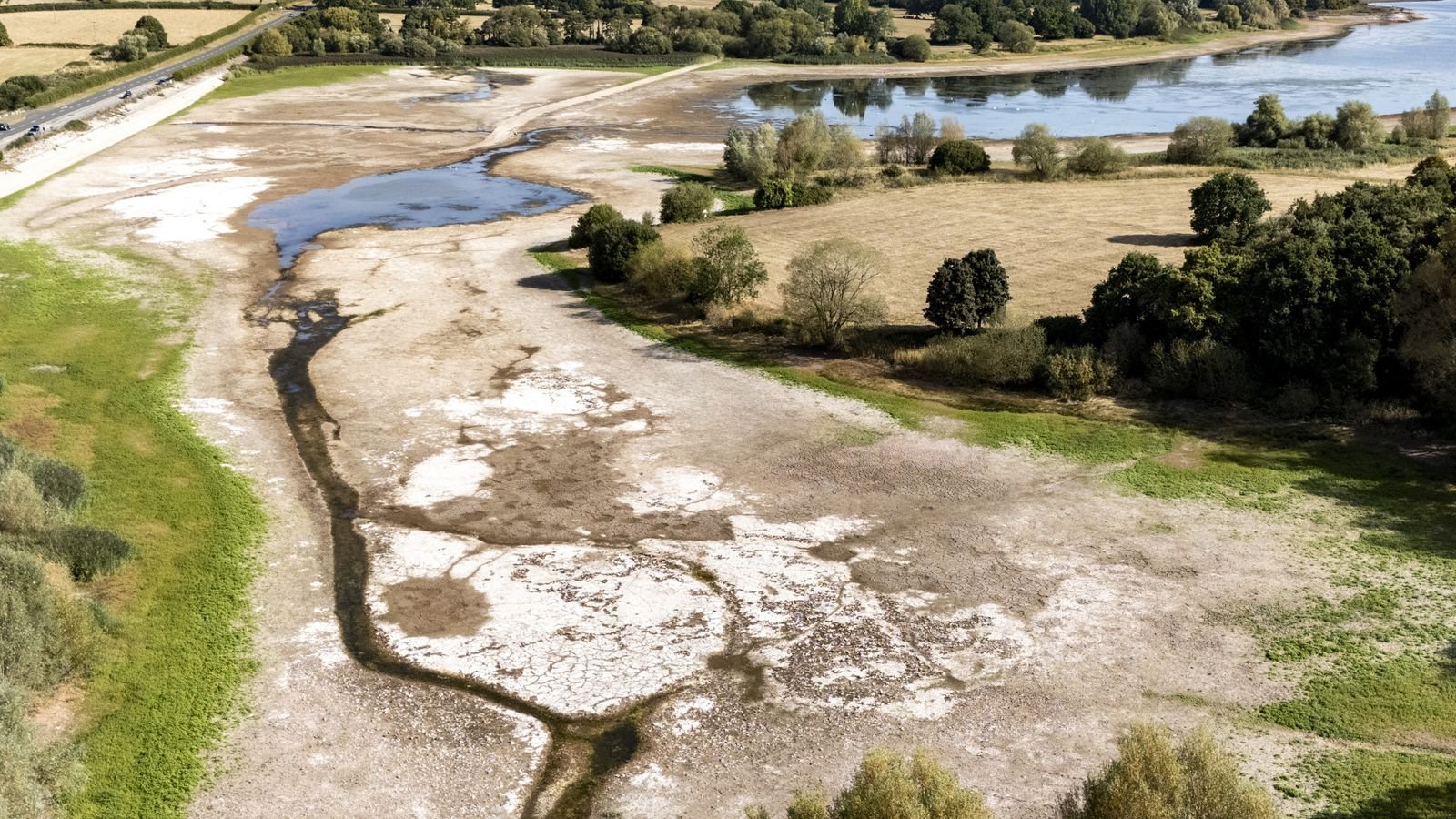
The UK Approaches Historic Temperature Record for 2025
The latest projections suggest that the UK is on course for its warmest year ever, with forecasts indicating that 2025 could exceed the previous record set in 2022. The Met Office reports an average annual temperature of 10.05°C, edging past the old record of 10.03°C, although a predicted cold spell during Christmas may alter these final figures.
Potential Record-Breaking Year
If confirmed, 2025 would be only the second year in recorded history where the average annual temperature in the UK surpasses 10°C. The last two decades have seen all ten of the warmest years in the UK, with four of the past five years now likely to be among the top five warmest since records began in 1884.
Historical Context
This century alone has witnessed new records for the UK’s annual mean temperature established in 2002, 2003, 2006, 2014, and 2022. Such consistent warmth underscores an alarming trend in climate patterns.
Expert Insights
Mike Kendon, a senior scientist at the Met Office, asserted that the likelihood of 2025 being recognised as the warmest year on record is more probable than not. “In terms of our climate, we are living in extraordinary times,” he stated, highlighting the unprecedented changes observed since the 19th century.
Professor Friederike Otto, a climate scientist, remarked that while an average of 10°C may not seem significantly high, it masks far-reaching consequences. “This average signifies much higher summer temperatures that were once unimaginable,” she said, adding that this is troubling news.
Bob Ward from the Grantham Research Institute emphasised the critical need to address climate change urgently. He remarked, “This serves as further evidence of the impacts of climate change in the UK, and we must lead the way towards net-zero emissions of greenhouse gases.”
Future Implications
The implications of this warming trend extend beyond mere statistics; they encompass pressing environmental, social, and economic challenges. As temperatures rise, the UK is likely to face increased heatwaves and other extreme weather events, posing significant risks to public health and infrastructure.
Background
With the effects of climate change becoming increasingly evident, awareness and action towards mitigating its impacts have never been more crucial. As global temperatures continue to rise, the necessity for global cooperation to reduce emissions and adapt to changing conditions is paramount. Achieving net-zero carbon emissions is a vital step in curbing this trend and securing a sustainable future.
Source: Original Article






