






















Nutrient density refers to the amount of essential nutrients a food provides relative to its calorie content. Choosing nutrient-dense foods can support overall health and well-being by delivering vitamins, minerals, and other important nutrients without excessive calories.
What is Nutrient Density?
Nutrient-dense foods are those that offer the highest levels of vitamins and minerals for the least amount of calories. They tend to be whole, minimally processed foods that contribute positively to a healthy diet.
Characteristics of Nutrient-Dense Foods
- Rich in Essential Nutrients: These foods contain vitamins, minerals, fiber, and antioxidants.
- Low in Added Sugars: Many nutrient-dense foods are naturally low in sugar, which helps manage energy intake.
- Healthy Fats: They often contain healthy fats, which are vital for brain function and hormone production.
- High in Fiber: Fiber-rich foods support digestive health and can promote feelings of fullness.
Examples of Nutrient-Dense Foods
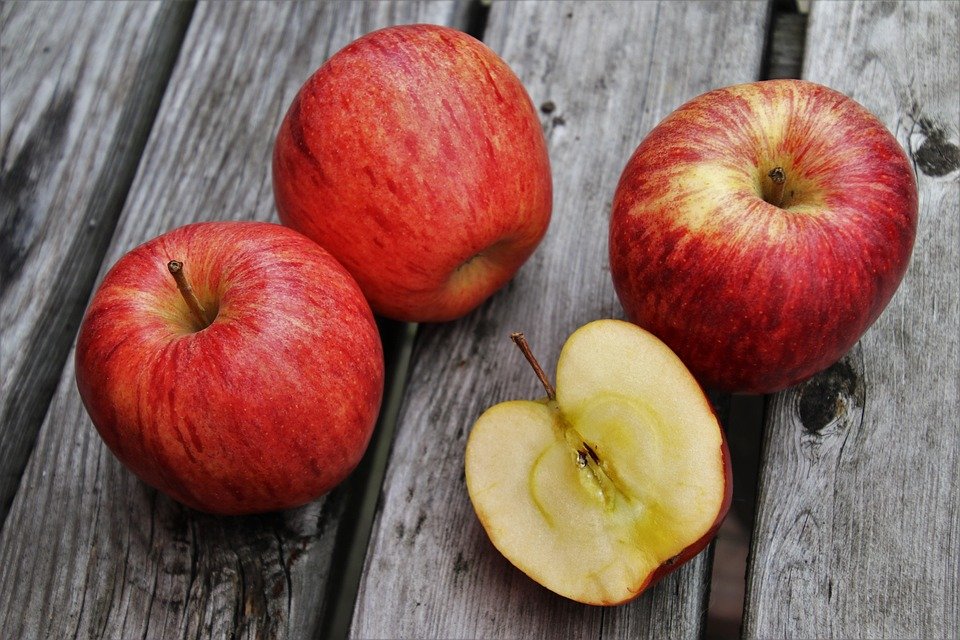
- Fruits: Berries, oranges, bananas, and apples are not only rich in vitamins but also provide fiber.
- Vegetables: Leafy greens, broccoli, and bell peppers are packed with nutrients and low in calories.
- Whole Grains: Foods like quinoa, brown rice, and oats deliver important nutrients while providing energy.
- Lean Proteins: Sources like chicken, fish, legumes, and tofu offer essential amino acids and promote muscle health.
- Nuts and Seeds: These foods contain healthy fats, protein, and minerals, contributing to overall nutrient intake.
Benefits of Eating Nutrient-Dense Foods
Incorporating nutrient-dense foods into your diet can lead to several benefits, including:
- Improved Energy Levels: With the right balance of nutrients, your body can perform optimally.
- Weight Management: Higher nutrient density can help manage calorie intake while still providing satisfaction.
- Enhanced Overall Health: A diet rich in nutrients supports various bodily functions, including the immune system and bone health.
Tips for Incorporating Nutrient-Dense Foods
- Plan Meals: Preparing meals ahead of time can help include a variety of nutrient-dense foods.
- Experiment with Recipes: Try new ways to prepare fruits and vegetables to increase variety.
- Read Labels: When buying packaged foods, check for nutrient density compared to calorie content.
- Focus on Color: Eat a rainbow of fruits and vegetables to ensure a wide range of nutrients.
Choosing nutrient-dense foods is a straightforward approach to supporting health and well-being. By prioritizing foods that offer significant nutritional benefits, individuals can create a balanced and healthful eating pattern.






