






















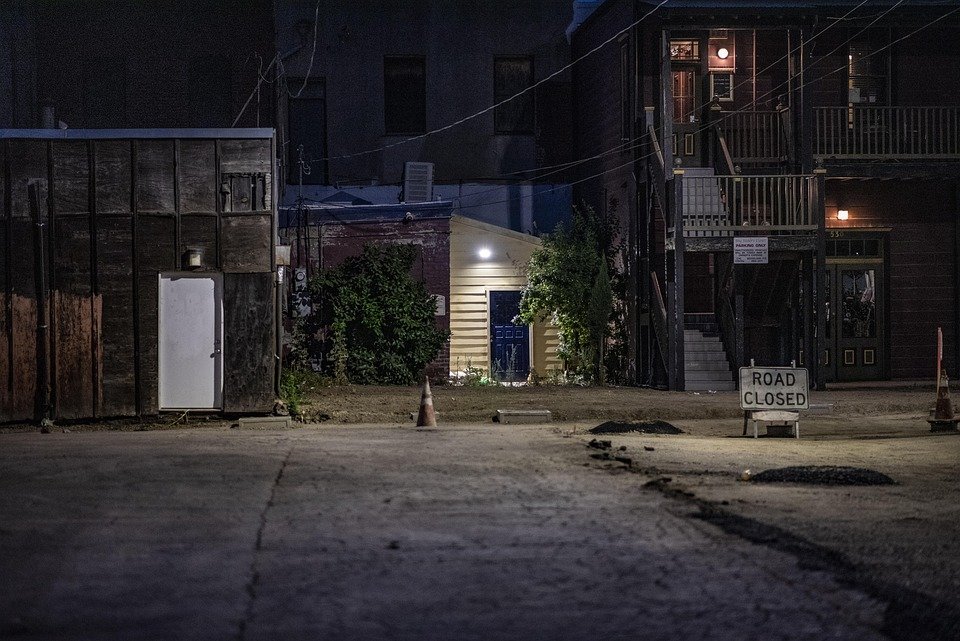
The Rise of Underground Horror Films
The 1980s marked a transformative decade in the horror genre, allowing underground films to flourish and garner a devoted fanbase. This era saw the emergence of a diverse array of filmmakers who pushed the boundaries of creativity, exploring themes that diverged from mainstream horror. Capitalizing on the cultural zeitgeist of the time, numerous films tackled societal anxieties while also employing innovative techniques that captivated audiences.
Unique Features of 1980s Horror
Underground horror films in the 1980s were characterized by their distinct aesthetics and narratives, often featuring low budgets but high ambition. Key characteristics included:
- Narrative Experimentation: Filmmakers often experimented with unconventional narratives, resulting in storytelling that was both engaging and disorienting.
- Graphic Pervasiveness: Many underground horror films used practical effects and graphic content to elicit shock, making them a stark contrast to the more sanitized mainstream offerings.
- Subversive Themes: Topics such as alienation, consumerism, and body horror were prevalent, resonating with anxieties of the era, from the Cold War to rising urban decay.
Influential Directors and Their Contributions
Several key directors emerged during this time, leaving a lasting impact on the horror genre. Notable names include:
- John Carpenter: Known for his work on films like “Halloween” (1978), his influence carried into the 1980s with films like “The Thing” (1982), which redefined the horror landscape with its groundbreaking special effects.
- David Cronenberg: With films like “Videodrome” (1983) and “The Fly” (1986), Cronenberg introduced body horror as a means of exploring human psychology and societal fears.
- George A. Romero: His continuation of the zombie genre with “Day of the Dead” (1985) built on his earlier successes, introducing complex social commentary on consumer culture and human survival.
The Cultural Impact of 1980s Horror
These underground horror films did more than just entertain; they reflected and influenced cultural conversations of the time. The rawness of their content challenged viewers, prompting discussions about morality, fear, and societal norms.
The Legacy of Underground Horror
The influence of 1980s underground horror can be seen in contemporary filmmaking as it paved the way for future generations. Many directors today cite these films as inspirations for their work, cherishing their risk-taking nature and unique storytelling. Furthermore, the cult followings of these films have fostered a thriving community that continues to celebrate independent cinema and the horror genre.
Conclusion
The underground horror films of the 1980s played a crucial role in redefining the genre, giving a voice to diverse narratives and challenging societal conventions. Their legacy endures, reminding us of the power of horror to provoke thought and evoke emotion, ensuring that these cult classics remain an integral part of cinematic history.






