






















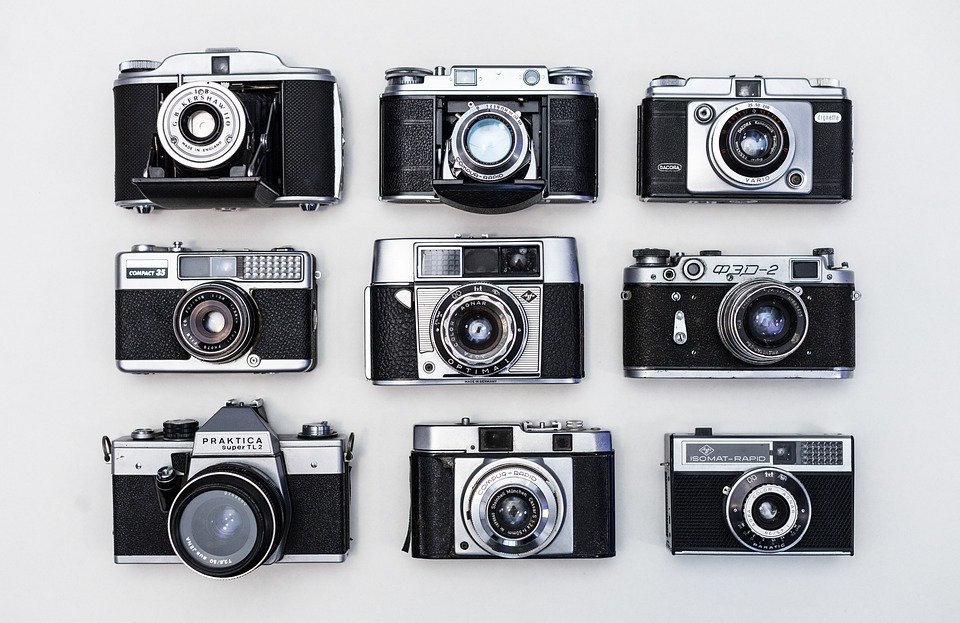
The Evolution of Film Formats
The 35mm film format emerged in the late 19th century, becoming the standard for both still photography and motion pictures. Initially, 35mm film was primarily used for silent films, capturing the imagination of audiences and storytellers alike. Its versatility allowed for greater creative expression, enabling filmmakers to explore new narrative styles and visual techniques.
Cinematic Innovations of the 35mm Camera
The introduction of the 35mm camera brought about several significant innovations in the filmmaking process:
- Mobility: The lightweight nature of 35mm cameras made them easier to maneuver, allowing directors like D.W. Griffith to experiment with moving shots and dynamic framing.
- Depth of Field: The 35mm format facilitated selective focus, enabling filmmakers to create emotional depth through the manipulation of background and foreground elements, as seen in the works of Orson Welles.
- Color Film: The advancement of color film stock in the 1930s allowed for more vibrant storytelling. Directors like Alfred Hitchcock utilized color to enhance mood and character portrayal, as evident in “Vertigo” (1958).
The New Wave and Beyond
During the 1950s and 1960s, the French New Wave revolutionized the perception of the 35mm camera. Directors like François Truffaut and Jean-Luc Godard employed handheld cameras, unorthodox editing techniques, and natural lighting to create a sense of spontaneity and authenticity. This departure from cinematic conventions resonated with younger audiences and initiated a re-examination of traditional storytelling methods.
The Impact on Genre and Style
As the 35mm format gained popularity, it also influenced various genres, from film noir to romantic comedies. Its capability to produce high-quality images with rich detail contributed to the following:
- Film Noir: Cinematographers like John Alton employed dramatic lighting techniques using 35mm film, resulting in the intense visual style characteristic of this genre.
- Romantic Comedies: The 35mm format allowed for softer lighting and finer textures, enhancing the charm and intimacy essential to the genre, as seen in the works of directors like Billy Wilder.
- Documentary Filmmaking: The mobility of the 35mm camera paved the way for the rise of direct cinema and cinema verité movements, allowing filmmakers to capture reality in a more immediate and unfiltered manner.
Legacy and Enduring Influence
The legacy of the 35mm camera continues to influence filmmakers today. Despite the rise of digital technology, many directors appreciate its aesthetic qualities, often opting for 35mm film to achieve a certain look or texture in their work. Iconic filmmakers like Quentin Tarantino and Christopher Nolan favor 35mm for its rich color and depth, showcasing the format’s enduring appeal.
In conclusion, the rise of the 35mm camera significantly transformed cinematic aesthetics. From its technical advancements to its impact on artistic expression, it remains a cornerstone of film history, inspiring generations of filmmakers to tell their stories with creativity and flair.






