






















Christmas Ceasefire Tradition Endures Amidst Ongoing Conflict in the Philippines
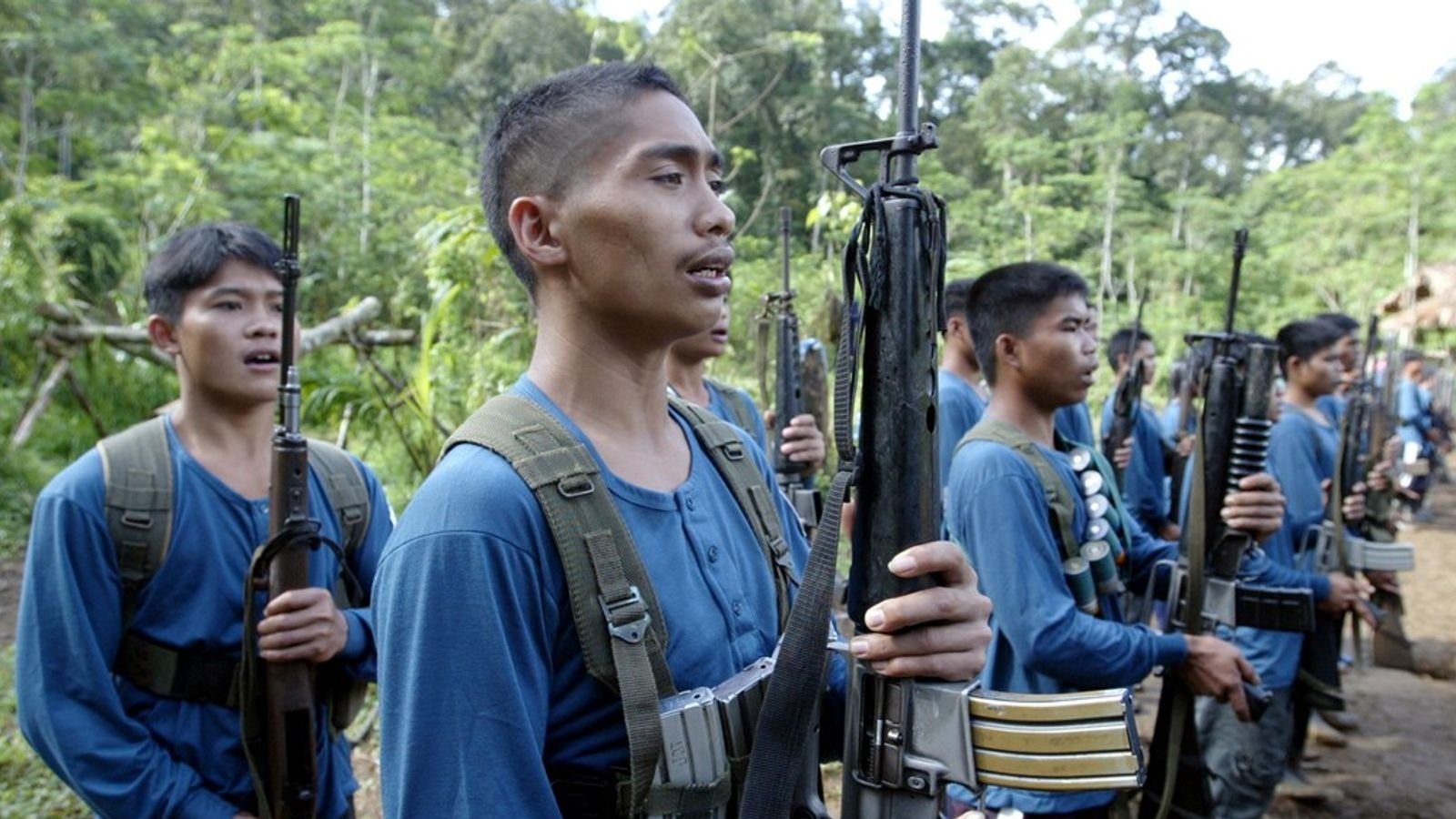
As the festive season approaches, the Philippines is witnessing a brief pause in hostilities amid one of the longest-running communist insurgencies worldwide. The New People’s Army (NPA), a Maoist guerrilla group, has declared a four-day ceasefire over Christmas and New Year, a stark contrast to the ongoing violence that has claimed approximately 60,000 lives since the conflict began nearly six decades ago.
The Ongoing Conflict
The armed struggle between the NPA and the Philippine government is set to enter its 57th year in 2026, making it a notable example of protracted conflict in contemporary history. Despite the escalated violence globally, with a record number of conflicts present in various regions, seasonal ceasefires have become a rare but significant occurrence.
Historical Context
This tradition of halting conflict during the festive season has been in practice since at least 1986, providing a brief moment of respite not only for combatants but also for local communities who wish to celebrate the holiday peacefully. The ceasefires align with a broader historical precedent, reminiscent of the famous Christmas truce between British and German soldiers during World War I, showcasing the potential for peace even amidst warfare.
Rising Global Violence
Recent data from the Peace Research Institute Oslo (PRIO) indicates that the year 2024 recorded the highest number of conflicts involving states since 1946. Political and military scenarios in regions like Ukraine and Gaza have significantly contributed to an escalation of violence, further complicating the prospects for peace on a global scale.
The Fractured Liberal Order
Experts have pointed toward a worrying decline in the effectiveness of multilateral institutions such as the United Nations, attributing it to the inability of Western nations to foster a truly just global environment. As emerging powers pursue their own dominance, the likelihood of achieving peaceful resolutions diminishes.
The Meaning Behind Ceasefires
Ceasefires during Christmas serve a dual purpose: offering a moment of peace, and functioning as a form of propaganda for both the government and the NPA. Political analysts like Patricio Abinales argue that these pauses in fighting allow communities to celebrate while projecting a façade of restraint to the outside world.
Grassroots Peacemaking
Oliver Richmond, a peace researcher, emphasizes that lasting peace is more effectively achieved through grassroots methods rather than through external powers that often prioritize their own geopolitical interests. Historical examples indicate that local communities better grasp the nuances needed for long-term conflict resolution.
The Future of the Christmas Ceasefire
This year’s ceasefire, although unreciprocated by government forces, suggests a dwindling but significant tradition that may soon fade. Analysts warn that if current conditions persist, these temporary truces could become obsolete, marking an end to a remarkable, if fleeting, phenomenon of seasonal peace.
Conclusion
As the world grapples with increasing violence and prolonged conflicts, such instances of goodwill provide a glimmer of hope. The Philippines’ Christmas ceasefire tradition stands as a reminder of the possibility for peace—however temporary—amidst the shadows of ongoing strife.
Background
The conflict between the Philippine government and the NPA has its roots in various socio-political factors, including issues of inequality and land rights. Over the decades, various leaders have attempted to address the insurgency through military and diplomatic means, with mixed results.
Source: Original Article






